
How to Build a Home Recovery Room: Layout, Ventilation, and Flow
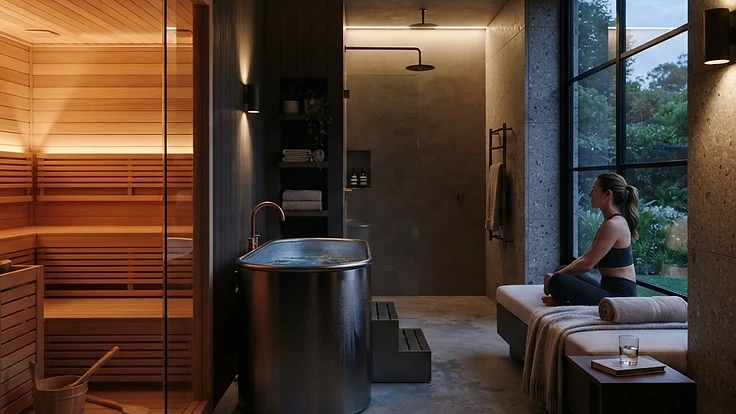
How to Build a Home Recovery Room: Layout, Ventilation, and Flow — Wellness
Transform your space into a sanctuary with our guide to designing the perfect home recovery room for contrast therapy, relaxation, and long-term health.
Creating Your Ultimate Home Sanctuary
In the modern era of biohacking and holistic health, the home recovery room has evolved from a luxury add-on to a necessity for those prioritizing longevity and healthspan. Whether you are aiming to optimize muscle recovery after intense training, reduce systemic inflammation, or simply create a dedicated space for the relaxation response, a well-planned wellness room is the cornerstone of a sustainable daily ritual.
Building a home recovery setup is more than just purchasing high-end gear; it is about creating a flow that supports your nervous system. By integrating elements like saunas, cold plunges, and other hydrotherapy solutions, you can facilitate contrast therapy right in your own home. Our team provides nationwide delivery to all 50 states, ensuring that whether you are in California or Florida, your wellness journey is supported.
What You'll Need: Assessing Your Recovery Space
Before beginning your build, you must assess the technical requirements of your space. A proper recovery room layout requires careful planning regarding moisture, weight, and electrical load. To start your journey, browse our collections of steam showers and hot tubs to identify which units best fit your floor plan.
- Ventilation System: Essential for managing humidity levels in areas containing heat and steam.
- Waterproof Flooring: Non-slip, moisture-resistant surfaces are mandatory for health and safety.
- Dedicated Electrical Circuitry: Most high-performance wellness products require specific voltage; consult an electrician.
- Drainage Solutions: Crucial for setups involving cold plunges or frequent water usage.
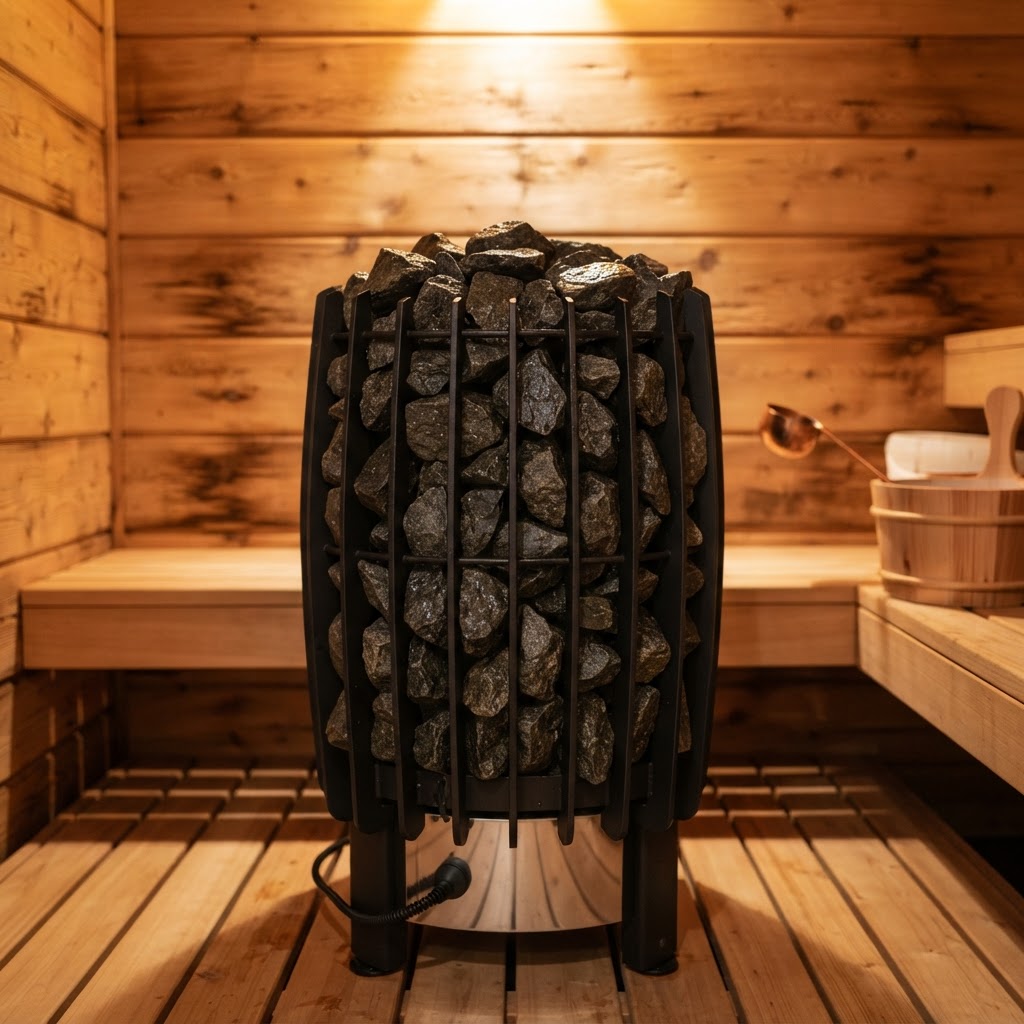
- Recovery Gear: Incorporate elements for thermotherapy, such as a high-quality sauna heater like the HUUM Cliff 9 kW Electric Sauna Heater.
Step 1: Planning the Layout and Flow
The layout of your recovery room should mimic a professional spa experience. Think about the 'recovery stack'—the sequence of your daily ritual. If you are practicing contrast therapy, you need a logical flow between your hot and cold stations. Effective recovery space design minimizes movement while maximizing the transition time between thermal states, which is vital for managing heart rate variability and blood pressure.
For those tight on space, read our guide on the Best Home Saunas for Small Spaces in 2026 to ensure your footprint remains efficient. If you are incorporating a swim spa, refer to the Swim Spa Installation: Site Prep, Electrical, and Foundation Guide to ensure your room is structurally sound.
Step 2: Optimizing Recovery Room Ventilation
Poor recovery room ventilation is the primary cause of mold and structural damage in home spas. Because heat therapy and steam involve high levels of humidity, your ventilation must be calculated based on the volume of the room. Always ensure your space has an active exhaust system capable of cycling the air every few minutes. This prevents the buildup of cortisol-inducing stale air and helps maintain an environment conducive to parasympathetic nervous system activation.
Step 3: Managing Electrical and Plumbing Infrastructure
Infrastructure is the 'invisible' foundation of your wellness room. High-demand equipment like the HUUM Hive 18 kW Electric Sauna Heater requires dedicated wiring. Do not cut corners here; professional installation is required to meet local codes. For water-heavy setups, ensure your floor has a gentle slope toward a drain. If you're building a wet-room environment, review our article on What Is a Steam Shower: Definition, Benefits, and Installation for technical insights.
Step 4: Creating the Atmosphere with Chromotherapy and Design
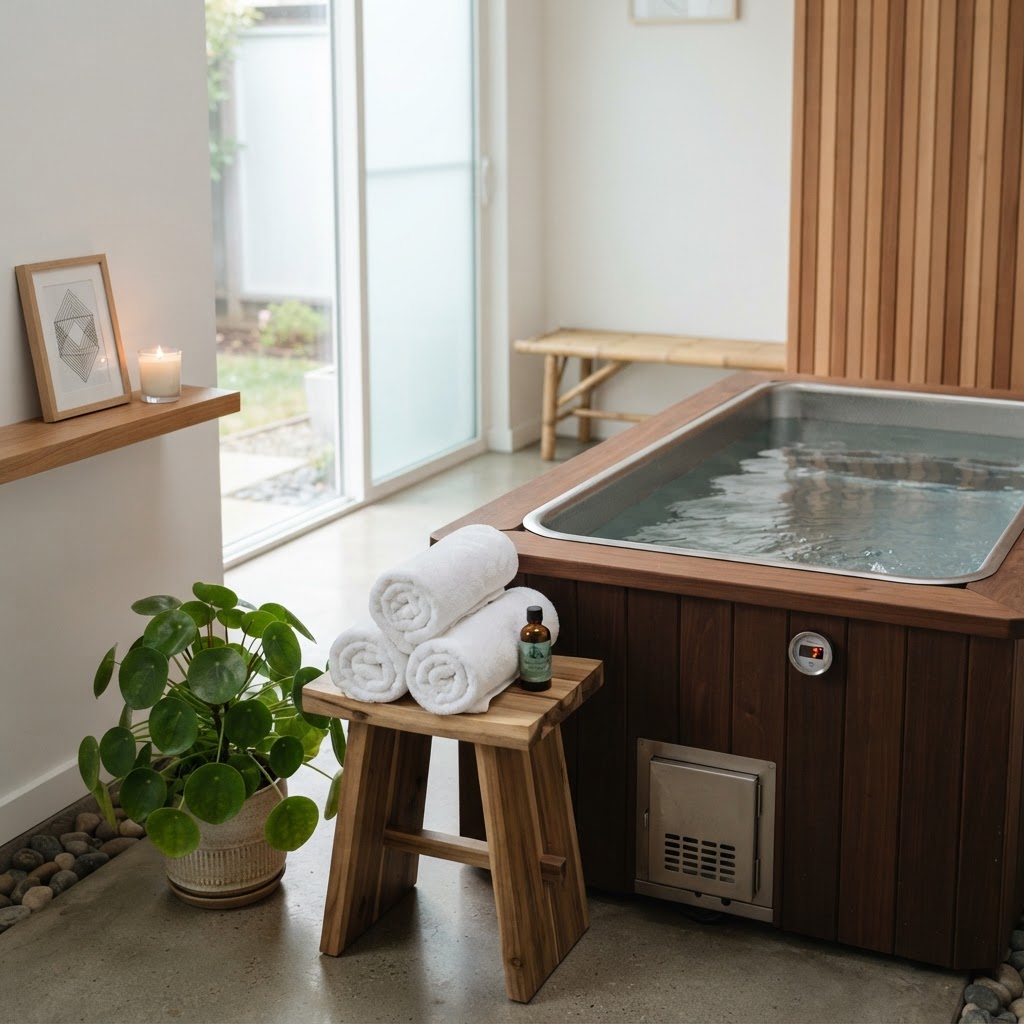
Your room should be a temple of tranquility. Use elements like chromotherapy (color light therapy) to influence mood and circadian rhythms. As explored in our post on What Is Chromotherapy in Saunas, color spectrums can significantly alter the subjective experience of your session. Consider adding soft lighting and soundproofing to deepen your meditation and breathwork practice.
Common Mistakes to Avoid
The most frequent error in home recovery setup is neglecting the moisture-proofing of walls. Using standard drywall in a steam room is a recipe for disaster; use cement board and specialized vapor barriers. Another mistake is ignoring the floor weight capacity; ensure your slab can support a filled hot tub or cold plunge by checking the How to Build a Hot Tub Base That Supports Your Spa guide.
Pro Tips for a Seamless Experience
Integrate tech that tracks your progress. Monitoring your heart rate and sleep quality before and after your recovery routine can provide data-backed insights into your health. Also, prioritize convenience; if you live in a location where winters are harsh, look at our tips for Best Outdoor Saunas for Winter Use in 2026.
Related Reading
- What Is a Cold Plunge: Definition, Benefits, and How to Start
- Sauna Temperature Guide: Finding Your Ideal Heat Setting
- Steam Showers for Skin Health: The Ultimate Maintenance Guide
- Cold Plunge Therapy: The 2026 Wellness Trend Explained
FAQ
How much space is needed for a basic recovery room?
A functional room can start as small as 80-100 square feet, provided you prioritize multi-functional gear like a combined sauna-shower setup.
Is professional electrical work required?
Yes. Due to the high heat and water exposure, all equipment like the HUUM Cliff Mini 3.5 kW Electric Sauna Heater must be installed by a licensed electrician to ensure safety and warranty compliance.
How often should I use my recovery room?
Depending on your goals, 3-5 times per week is common for cardiovascular health and muscle recovery. Always consult a professional regarding your specific health needs.
Ready to invest in your home wellness?
Ready to transform your home into the ultimate wellness sanctuary? Explore our premium selection of Saunas, Hot Tubs, Cold Plunges, Steam Showers, and Swim Spas. For personalized guidance on planning your space, talk to a specialist today by calling +1 (253) 264-2435 or emailing sales@hearthsidesupply.com.
Ready to invest in your home wellness?
Explore our curated selection of premium saunas, hot tubs, cold plunges, steam showers, and swim spas — with clear specifications, nationwide delivery, and secure checkout.
Keep reading
View all posts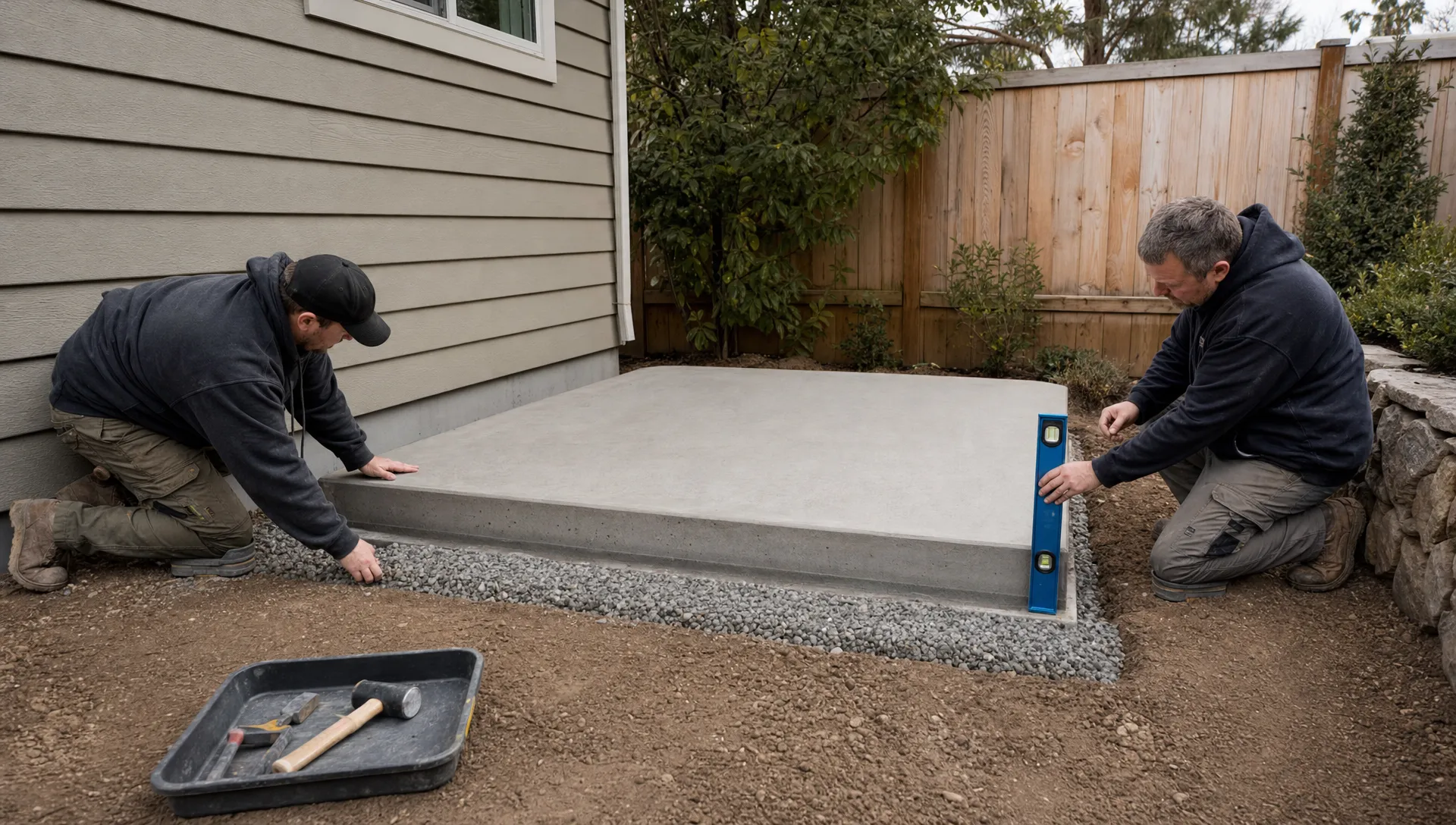 Wellness
How to Build a Hot Tub Base That Supports Your Spa
A solid spa foundation starts below the finished surface, where soil preparation and drainage determine long-term stability. Learn how to compare materials, estimate loaded weight and check your installation before delivery.
Read article
 Wellness
Sauna and Cardiovascular Health: What Research Actually Shows
Discover how regular sauna use impacts cardiovascular health, blood pressure, and long-term heart outcomes in this science-backed guide for wellness seekers.
Read article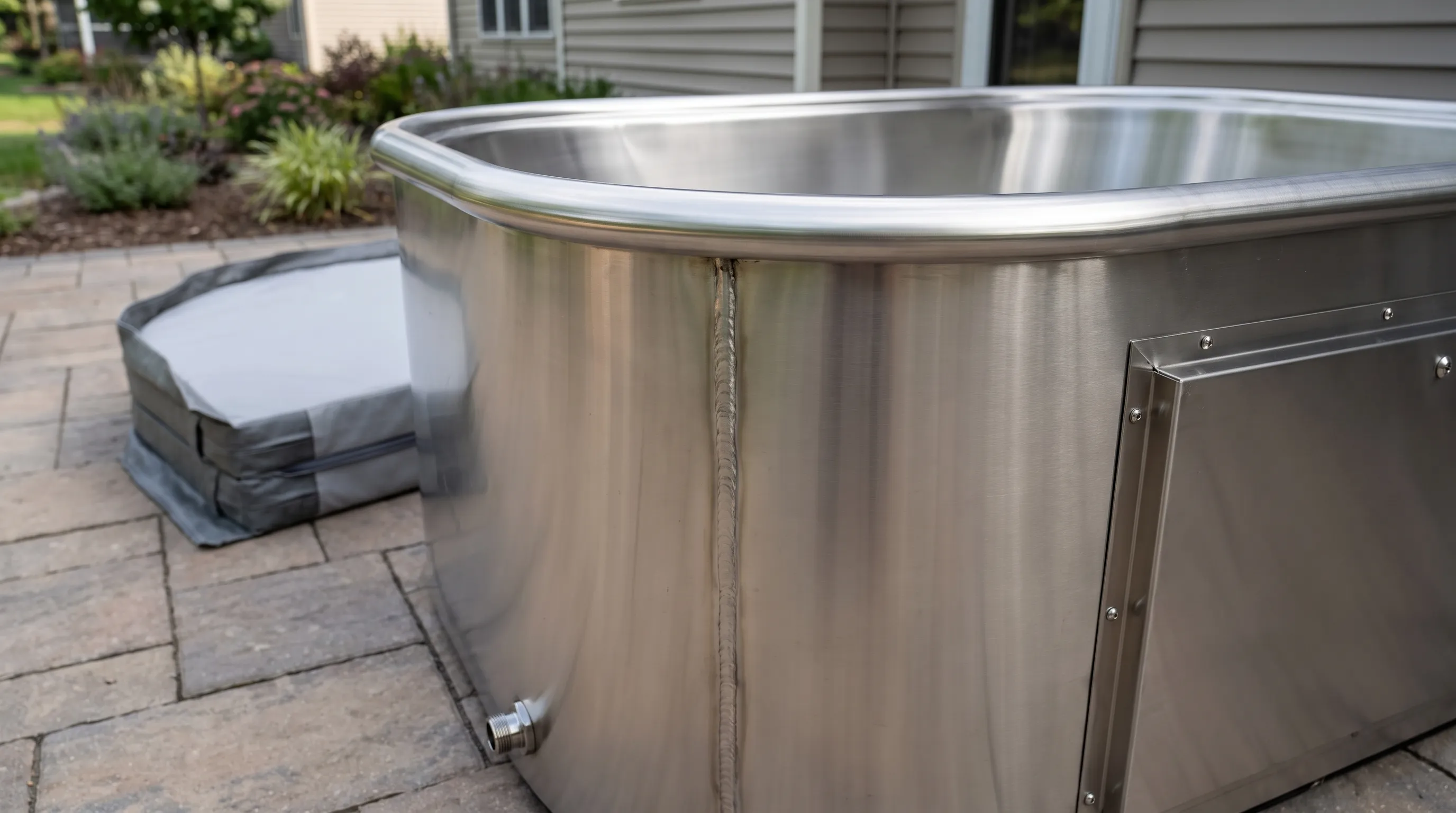 Wellness
How to Choose a Stainless Steel Hot Tub
A polished shell tells you little about how a hot tub will perform. Learn which steel specifications, comfort features and installation details to verify so you can compare options and avoid costly surprises.
Read article