
Sauna Temperature Guide: Finding Your Ideal Heat Setting
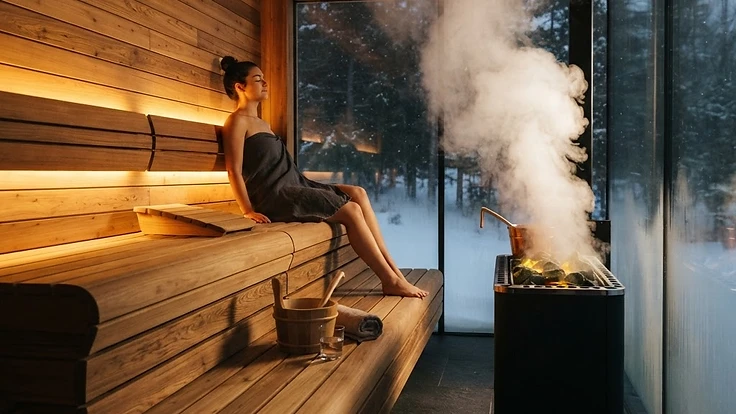
Sauna Temperature Guide: Finding Your Ideal Heat Setting — Saunas
Discover the ideal sauna temperature for your needs. Learn how infrared vs. traditional sauna heat impacts recovery, detoxification, and overall wellness.
Understanding Sauna Temperature and Your Wellness Goals
Finding the perfect sauna temperature is a personal journey that depends on your physiology, the type of sauna you own, and your ultimate health goals. Whether you are looking for deep muscle recovery, a boost in endorphins, or cardiovascular support, understanding how heat interacts with your body is essential. For residents in states like California or Colorado, where home wellness is a staple, managing the thermal environment of your space is key to a consistent practice.
Before you begin, it is important to understand the landscape of home heat therapy. For a comprehensive overview, read The Ultimate Home Sauna Guide: Everything You Need to Know. Proper temperature regulation starts with having the right equipment, such as a high-quality HUUM Cliff 9 kW Electric Sauna Heater or the compact HUUM Cliff Mini 3.5 kW Electric Sauna Heater, both of which provide precise control over your environment.
Infrared vs. Traditional Sauna Temperatures
The biggest distinction in the sauna world is between infrared light therapy and traditional Finnish heat. Knowing the difference is vital for setting your thermostat correctly.
Infrared Sauna Temperature
Infrared saunas operate at lower temperatures, typically between 120°F and 150°F. Because they use carbon or ceramic heaters to warm your body directly rather than heating the air, you can stay in them longer to achieve a deep, penetrating sweat. For more on the physiological effects, check out Infrared Sauna Detox: Separating Fact from Wellness Myth.
Traditional Finnish Sauna Temperature
A traditional Finnish sauna is designed for higher heat, usually ranging from 160°F to 195°F. These systems rely on a sauna heater to warm stones, which then emit radiant heat. The addition of water to the stones—the practice of löyly—increases the perceived heat and humidity. If you are comparing your options, see our Sauna vs Steam Room: Which Is Better for Your Home? article.
What to Look for in Temperature Control
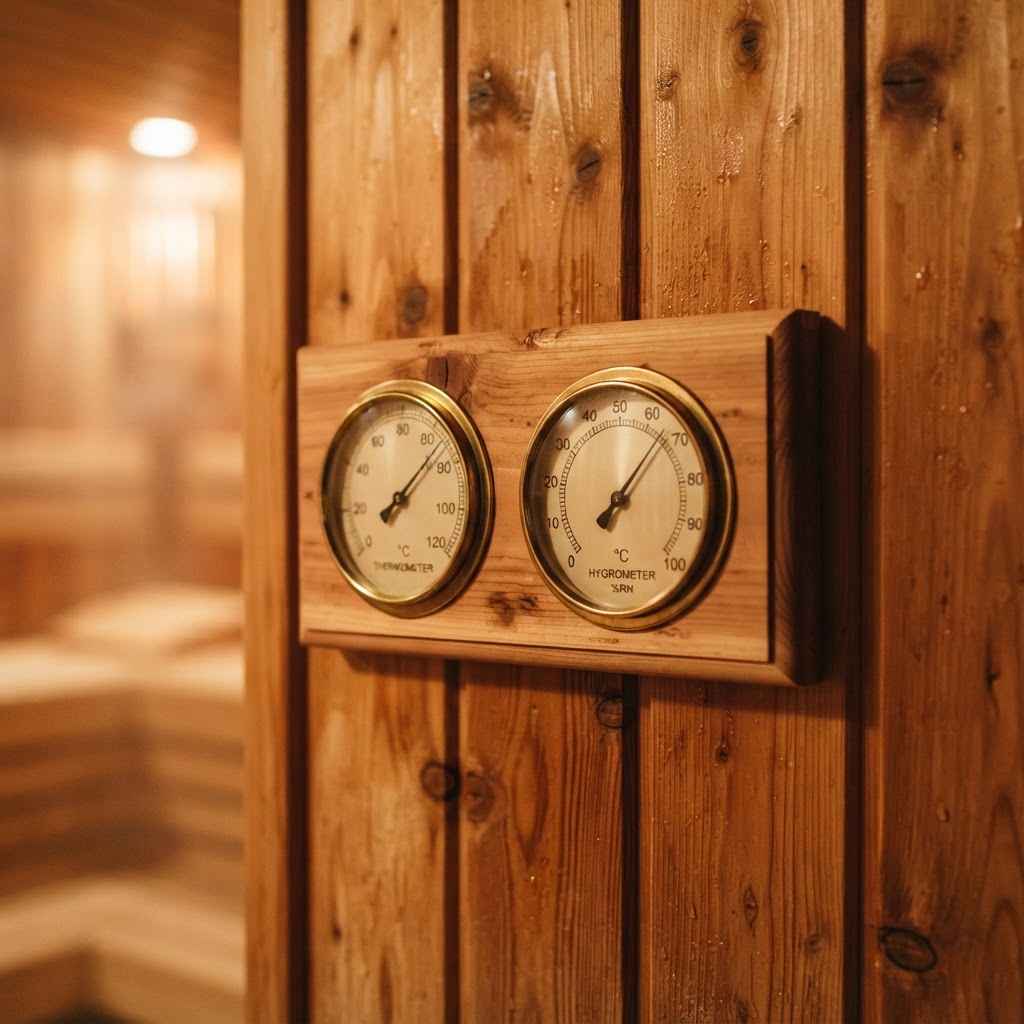
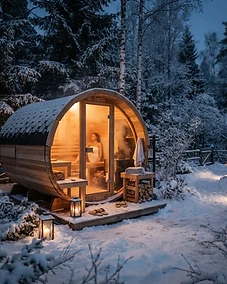
When selecting your sauna, ensure you have reliable instrumentation. A quality thermometer and hygrometer are non-negotiable for monitoring the safety and effectiveness of your session. Proper insulation and ventilation also play a massive role in maintaining your target temperature, especially if you have an outdoor barrel sauna exposed to winter elements.
Key Features and Setup for Optimal Heat
Your heater is the heart of your sauna. Brands like HUUM offer advanced controllers that manage heat-up time and safety parameters. Whether you choose a HUUM Hive 12 kW Electric Sauna Heater or a larger model, ensure your electrical setup meets the 220V dedicated circuit requirements. Proper setup ensures your unit remains efficient, a topic covered in depth in our How to Install a Home Sauna: A Complete Step-by-Step Guide.
Common Mistakes to Avoid
Many beginners make the mistake of cranking the heat to the maximum setting immediately. This can lead to rapid dehydration and an unpleasant experience. Start lower, allow your body to acclimate, and focus on your session duration. As noted in How Long Should You Stay in a Sauna? A Duration Guide, consistency and comfort should always outweigh intensity.
FAQ
What is the safest temperature for a beginner?
We recommend starting your first few sessions between 140°F and 150°F. This allows your body to adjust to heat stress without overwhelming your system.
How long should I wait for my sauna to heat up?
Depending on your heater size and insulation quality, most traditional saunas take 30 to 60 minutes to reach optimal temperature. Infrared models may be ready in 15 to 20 minutes.
Does humidity affect the temperature?
Yes. Higher humidity levels make the air feel significantly hotter. Always use a hygrometer to track levels if you enjoy pouring water on your sauna stones.
What should I do if my sauna isn't reaching temperature?
Check your ventilation intake and output, ensure your door seal is tight, and verify that your sauna heater is sized correctly for your cubic footage.
Related Reading
- Sauna FAQs: 15 Common Questions Answered for Beginners
- Sauna Lighting Ideas: Enhancing Ambiance and Chromotherapy
- Home Wellness Product Lifespan: How Long Do Saunas and Spas Last
Ready to invest in your home wellness?
Transform your daily routine by bringing professional-grade heat therapy into your residence. Explore our full range of Saunas, Hot Tubs, Cold Plunges, Steam Showers, and Swim Spas today. For personalized guidance, talk to a specialist at +1 (253) 264-2435 or email sales@hearthsidesupply.com to find the perfect solution for your space.
Ready to invest in your home wellness?
Explore our curated selection of premium saunas, hot tubs, cold plunges, steam showers, and swim spas — with clear specifications, nationwide delivery, and secure checkout.
Keep reading
View all posts
 Saunas
What Is Chromotherapy in Saunas: Color Light Therapy Explained
Discover what is chromotherapy in saunas and how color light therapy enhances your wellness routine. Learn about the psychological and physical benefits today.
Read article
 Saunas
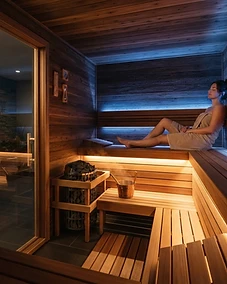
Sauna Lighting Ideas: Enhancing Ambiance and Chromotherapy
Transform your sauna experience with the right lighting. Learn how to design the perfect sauna ambiance using chromotherapy and modern LED solutions.
Read article
 Saunas
How to Install a Home Sauna: A Complete Step-by-Step Guide
Learn how to install a home sauna with our expert guide. From site prep and electrical requirements to assembly, we cover everything for a perfect setup.
Read article