
How Much Does a Hot Tub Cost to Run Per Month? A Budgeting Guide

How Much Does a Hot Tub Cost to Run Per Month? A Budgeting Guide — Hot Tubs
Discover the real monthly operating costs of a hot tub, including energy, chemicals, and maintenance. Use our expert guide to budget for your home spa.
Understanding Your Hot Tub Running Cost
Investing in a premium hot tub is a transformative decision for your home wellness routine. However, smart buyers want to know: how much does a hot tub cost to run per month? On average, most homeowners can expect a monthly hot tub energy bill ranging between $20 and $60, though this varies based on climate, usage, and local electricity rates for customers in California or Florida. Understanding these costs ensures you can enjoy your hydrotherapy jet sessions without any financial surprises.
As you explore your options, it is essential to look beyond the initial purchase price. Factors such as the efficiency of the thermal cover and the quality of the insulation play a massive role in long-term expenses. For a comprehensive overview of how to choose the right spa, refer to our Ultimate Hot Tub Buying Guide.
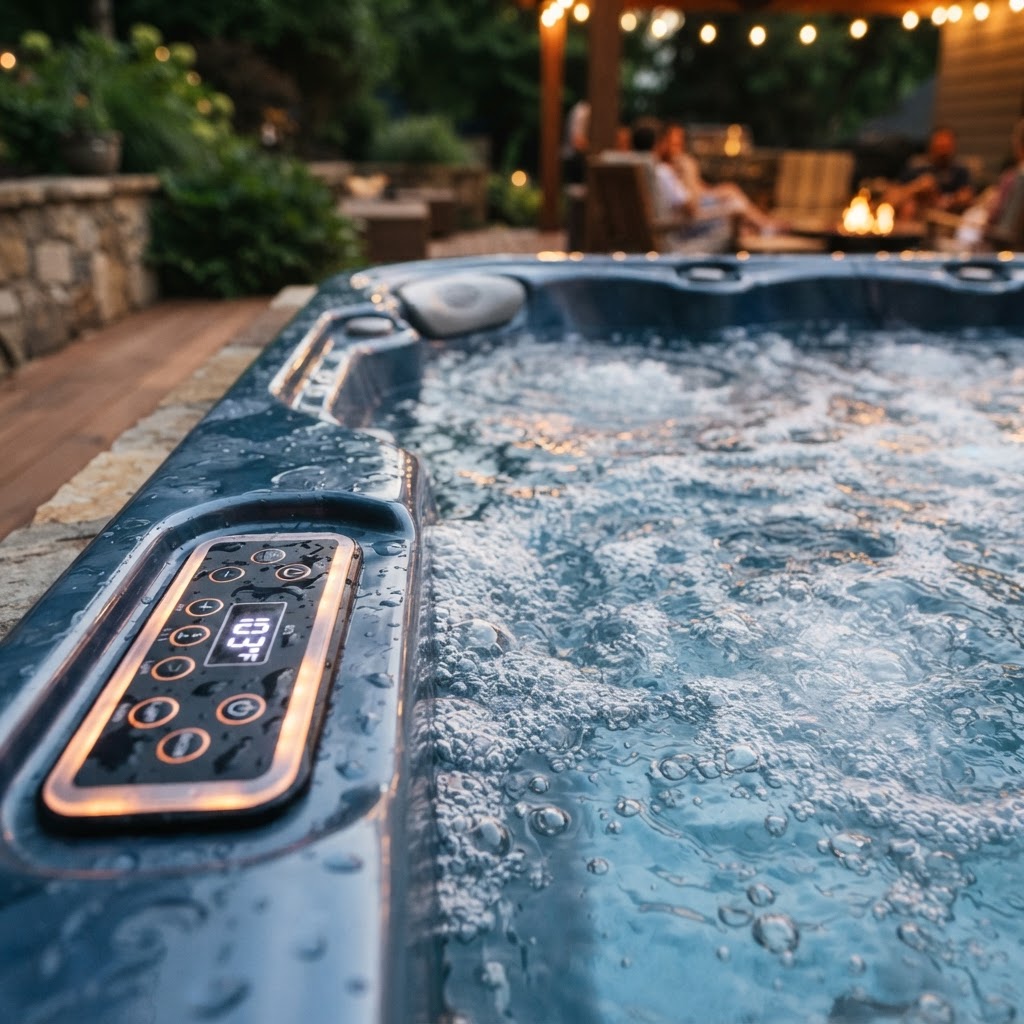
Cost Breakdown by Hot Tub Type
The construction and technology of your unit significantly influence your monthly spa operating cost. Premium models featuring full foam insulation and high-end Balboa controls are designed to maintain temperature with minimal electrical draw. Conversely, entry-level rotomolded tubs may have less insulation, leading to higher cycling times for the electric heater.
- Acrylic Shell with Full Foam: Highly efficient; best for colder climates.
- Rotomolded Tubs: Lower upfront cost but potentially higher monthly energy usage.
- Salt Water Systems: Slightly higher initial cost, but can save money on chemical balancing products over time. Learn more in our guide on Salt Water vs Chlorine Hot Tubs.
Factors That Affect Your Hot Tub Energy Bill
Several variables dictate your monthly electricity consumption. The biggest culprit is heat loss. A high-quality, thick thermal cover is your first line of defense. Additionally, the efficiency of your circulation pump matters; newer, programmable pumps allow you to set filtration cycles during off-peak energy hours.
Location also plays a part. If you are a resident in Colorado, your heater will work harder in the winter than in a warmer state. Regardless of where you live, ensure proper site prep and that your unit is placed on a stable concrete pad to prevent heat loss through the floor.
Ongoing Running Costs: Chemicals and Maintenance
Beyond electricity, you must budget for water chemistry maintenance. Keeping your water clean requires a balance of sanitizer (chlorine or bromine), cartridge filters, and occasional pH balancers. On average, chemical maintenance costs between $10 and $25 per month. Always keep your test strips handy to monitor alkalinity and calcium hardness to protect your heater and internal components.
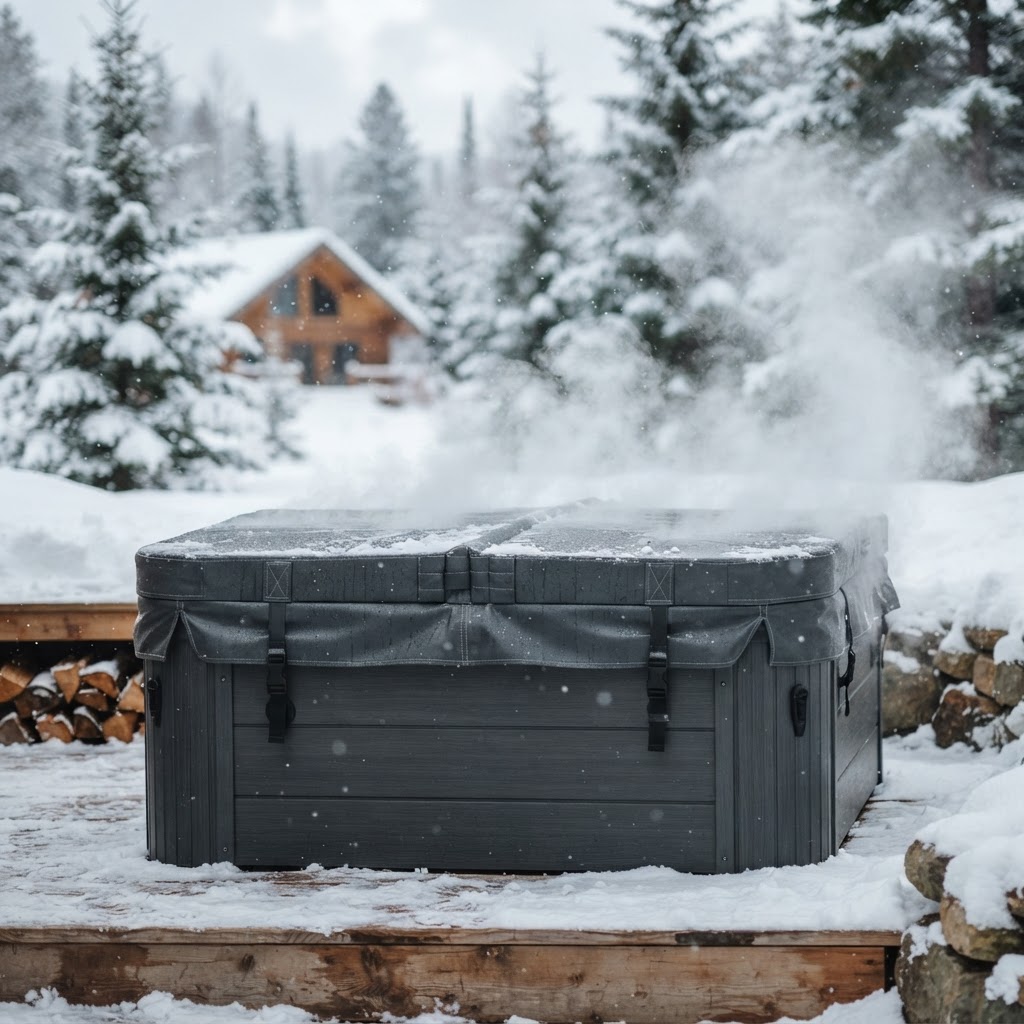
How to Save Money on Spa Operating Costs
Optimizing your hot tub usage is the easiest way to keep costs down. Start by keeping the cover on whenever the spa is not in use—this is the single most effective way to retain heat. Consider installing a cover lifter to make this process easier. Additionally, verify that your spa is set to 'Economy' mode during the summer months and ensure your filtration cycles are not running longer than necessary.
Related Reading
- Hot Tub Jet Types Explained: What Each Jet Does
- Hot Tub Filter Care and Replacement Guide
- How Many Jets Do You Really Need in a Hot Tub?
- Energy Efficiency Compared: Saunas, Hot Tubs, and Cold Plunges
FAQ
How often should I drain my hot tub?
Typically, you should drain and refill your hot tub every 3 to 4 months, depending on usage. This helps maintain clean water and removes the buildup of total dissolved solids.
Does a 220V hot tub cost more to run than a 110V model?
Not necessarily. While a 220V electrical hook-up (usually 50 amp) provides faster heating, a properly insulated 220V unit is often more efficient because it reaches and holds temperature faster than a smaller 110V plug-and-play model.
Are premium hot tubs worth the investment?
Yes. Premium models offer superior heat retention, more advanced hydrotherapy features like pulsating jets and premium hot tub benefits, and longer-lasting components, which often results in lower total cost of ownership over a decade.
Ready to invest in your home wellness?
If you are ready to bring a premium spa experience to your backyard, Hearthside Supply is here to help. We provide expert guidance, nationwide delivery, and top-tier support for our customers. Explore our full range of Hot Tubs, Swim Spas, Saunas, and Cold Plunges today. Have questions about specific models or installation? Talk to a specialist by calling +1 (253) 264-2435 or emailing sales@hearthsidesupply.com.
Ready to invest in your home wellness?
Explore our curated selection of premium saunas, hot tubs, cold plunges, steam showers, and swim spas — with clear specifications, nationwide delivery, and secure checkout.
Keep reading
View all posts
 Hot Tubs
Winterizing Your Hot Tub for Year-Round Enjoyment
Learn how to properly winterize your hot tub with expert tips on freeze protection, energy efficiency, and routine maintenance for consistent, cozy soaking.
Read article
 Hot Tubs
Hot Tub Chemicals Guide: A Beginner's Start-to-Finish
Master hot tub water chemistry with our comprehensive guide. Learn about sanitizers, pH balancers, and shock treatments to keep your spa pristine and safe.
Read article
 Hot Tubs
Salt Water vs Chlorine Hot Tubs: Which Is Better for Your Home?
Choosing between a salt water vs chlorine hot tub? We break down the differences in maintenance, skin feel, and cost to help you decide on your perfect spa.
Read article