
Hot Tub Installation: What to Know Before Delivery Day

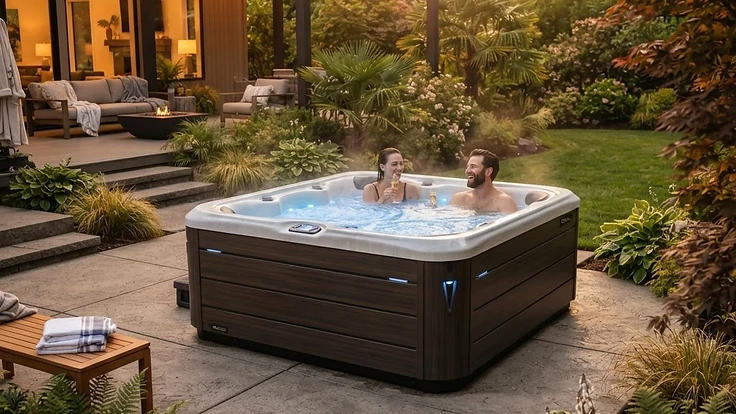
Hot Tub Installation: What to Know Before Delivery Day — Hot Tubs
Ensure a seamless experience with our expert hot tub installation guide, covering site prep, electrical requirements, and delivery logistics.
Planning for Your Perfect Backyard Oasis
Investing in a high-quality spa is an exciting milestone, but successful ownership starts long before the unit arrives. Proper hot tub installation is the single most important factor in ensuring years of worry-free relaxation. Whether you are in California or Florida, our team at Hearthside Supply provides expert guidance to help you prepare your space correctly. For a comprehensive overview, be sure to read our complete hot tub buying guide.
The Foundation: Securing a Level Base
A hot tub filled with water weighs thousands of pounds. Your hot tub foundation must be structurally sound and perfectly level. A concrete pad is the industry gold standard, offering stability that prevents the acrylic shell from warping or cracking over time. If your chosen location is slightly uneven, the stress on the frame can lead to leaks or issues with your hydrotherapy jets. While some homeowners consider reinforced decking, you must consult a structural engineer to ensure it can support the dead weight of the unit plus the weight of the water and users.
For those researching the longevity of their investment, understanding the difference between materials is vital. Our analysis of acrylic vs rotomolded hot tubs explains how foundation quality interacts with the durability of your spa's shell.
Electrical Requirements: Powering Your Spa
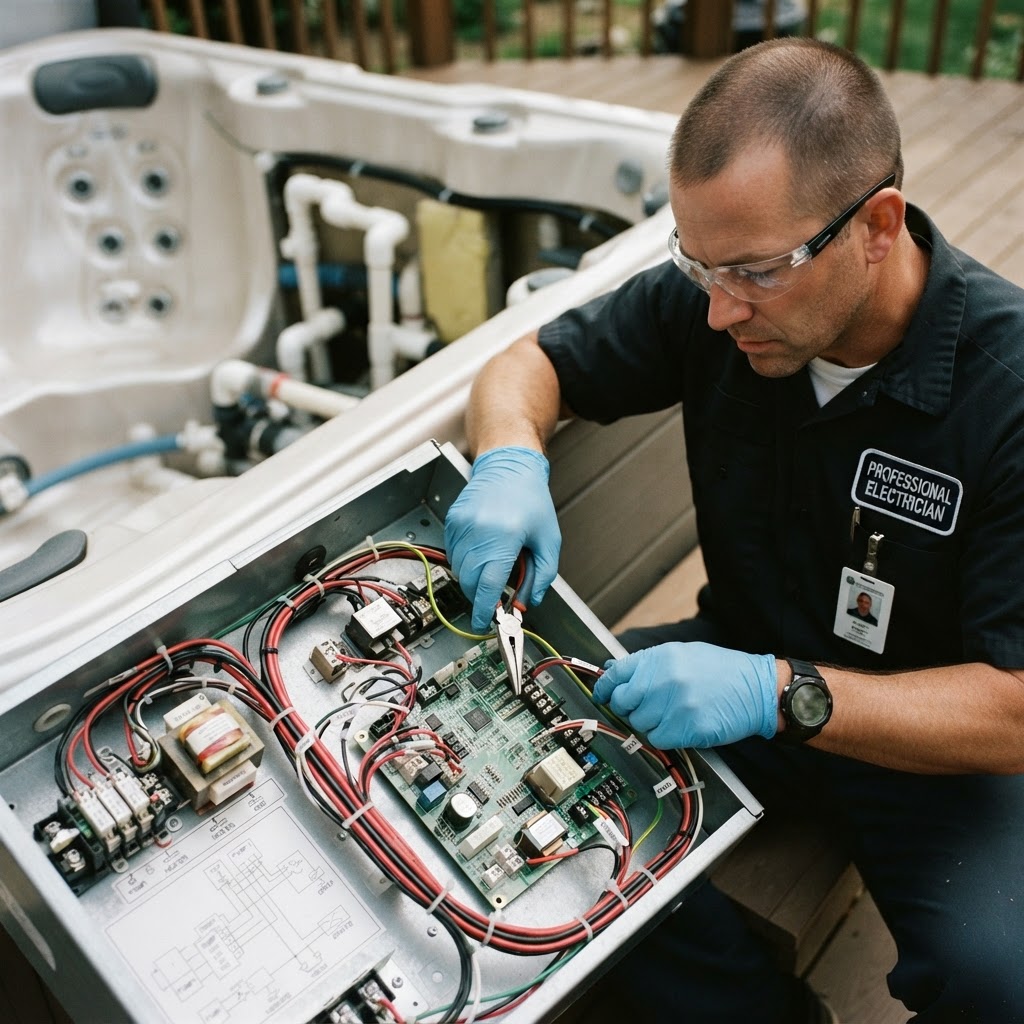
Most premium hot tubs require a dedicated 220V, 50-amp GFCI-protected circuit. The hot tub electrical hook-up is a job for a licensed electrician to ensure local code compliance and safety. This high-voltage setup is necessary to power the robust heater and circulation systems effectively. During installation, your electrician will connect the power to the spa pack, which houses the control system and motherboard. Safety is paramount—always ensure the disconnect switch is within sight of the hot tub but at a safe distance to prevent splashing risks.
Navigating the Delivery Path
Before delivery day, measure every gate, walkway, and tight corner between your driveway and the final installation spot. Your spa will arrive on its side, usually on a specialized cart. A clear, debris-free path is essential. If the route involves significant elevation changes, obstacles, or narrow passageways, please consult our delivery and shipping policy to ensure we can coordinate a seamless arrival. Don't forget to prepare for the thermal cover and filtration system components that will be delivered alongside your unit.

Water Chemistry and Maintenance Basics
Once your spa is filled, you will need to manage water chemistry immediately. Balancing pH, alkalinity, and calcium hardness protects your heater and plumbing from corrosion. Using the right sanitizer—whether you choose a salt water system or traditional chemicals—ensures your water remains clear. Regularly checking your energy efficiency through proper water insulation is also part of owning a high-end unit. If you're also interested in other recovery tools, check out our cold plunges to create a complete wellness circuit.
Common Installation Mistakes to Avoid
- Ignoring the weight capacity: Ensure your surface can handle 100+ lbs per square foot.
- Lack of access to panels: Always leave at least 24 inches of clearance around the spa for future service.
- Inadequate GFCI protection: Never attempt to hardwire a 220V spa without professional help.
- Poor site leveling: Even a small tilt can cause the water level to unevenly stress the spa shell.
FAQ
How much space do I need around my hot tub for service?
We recommend at least 24 to 36 inches of clearance on all sides where access panels are located, allowing technicians to reach the pump, heater, and controls easily.
Can I place my hot tub on grass or dirt?
No. Grass and dirt shift with moisture, which will cause your foundation to become uneven. A concrete or paver pad is required for a safe, level, and long-lasting installation.
How long does it take for the hot tub to heat up?
Depending on the ambient temperature and the voltage of your heater, it typically takes 12 to 24 hours to heat a standard hot tub from fill temperature to 100°F.
Ready to invest in your home wellness?
Transform your backyard into the ultimate retreat with a premium spa from our collection. Browse our full range of hot tubs, swim spas, and saunas today. If you have questions about your specific installation site or need help selecting the perfect model, contact us directly at +1 (253) 264-2435 or email sales@hearthsidesupply.com to speak with a wellness specialist.
Ready to invest in your home wellness?
Explore our curated selection of premium saunas, hot tubs, cold plunges, steam showers, and swim spas — with clear specifications, nationwide delivery, and secure checkout.
Keep reading
View all posts
 Hot Tubs
Hot Tub Jet Types Explained: What Each Jet Does
Discover the science behind hydrotherapy. We break down common hot tub jet types to help you find the perfect massage experience for your home wellness retreat.
Read article
 Hot Tubs
Hot Tub Filter Care and Replacement Guide
Learn how to clean, rotate, and replace your hot tub filter to ensure crystal-clear water and a long-lasting spa experience with our expert maintenance guide.
Read article
 Hot Tubs
How Many Jets Do You Really Need in a Hot Tub? A Buyer’s Guide
Confused by high jet counts? Learn why quality and placement matter more than quantity when choosing your ideal hot tub for maximum hydrotherapy benefits.
Read article