
Winterizing Your Hot Tub for Year-Round Enjoyment

Winterizing Your Hot Tub for Year-Round Enjoyment — Hot Tubs
Learn how to properly winterize your hot tub with expert tips on freeze protection, energy efficiency, and routine maintenance for consistent, cozy soaking.
The Joy of Winter Soaking: Why Winterizing Matters
There is nothing quite like the contrast of crisp winter air and the soothing warmth of your hot tub. However, when the mercury drops, your spa faces unique challenges. Proper preparation is essential to prevent damage from freezing temperatures while maximizing your energy efficiency. Whether you live in colder climates like Colorado or experience milder winters, understanding how to winterize your hot tub ensures your equipment remains in peak condition throughout the season.
Maintaining your investment goes beyond just keeping the water clean; it is about protecting the internal components like the spa pack, circulation pump, and electric heater from the harsh effects of extreme cold.
Understanding Hot Tub Freeze Protection
Modern hot tubs are engineered with sophisticated systems to handle cold weather, but they are not entirely immune to freezing. Most premium models are designed with full foam insulation that helps retain heat. However, if power is lost or the pump fails during a deep freeze, your pipes can crack in hours.
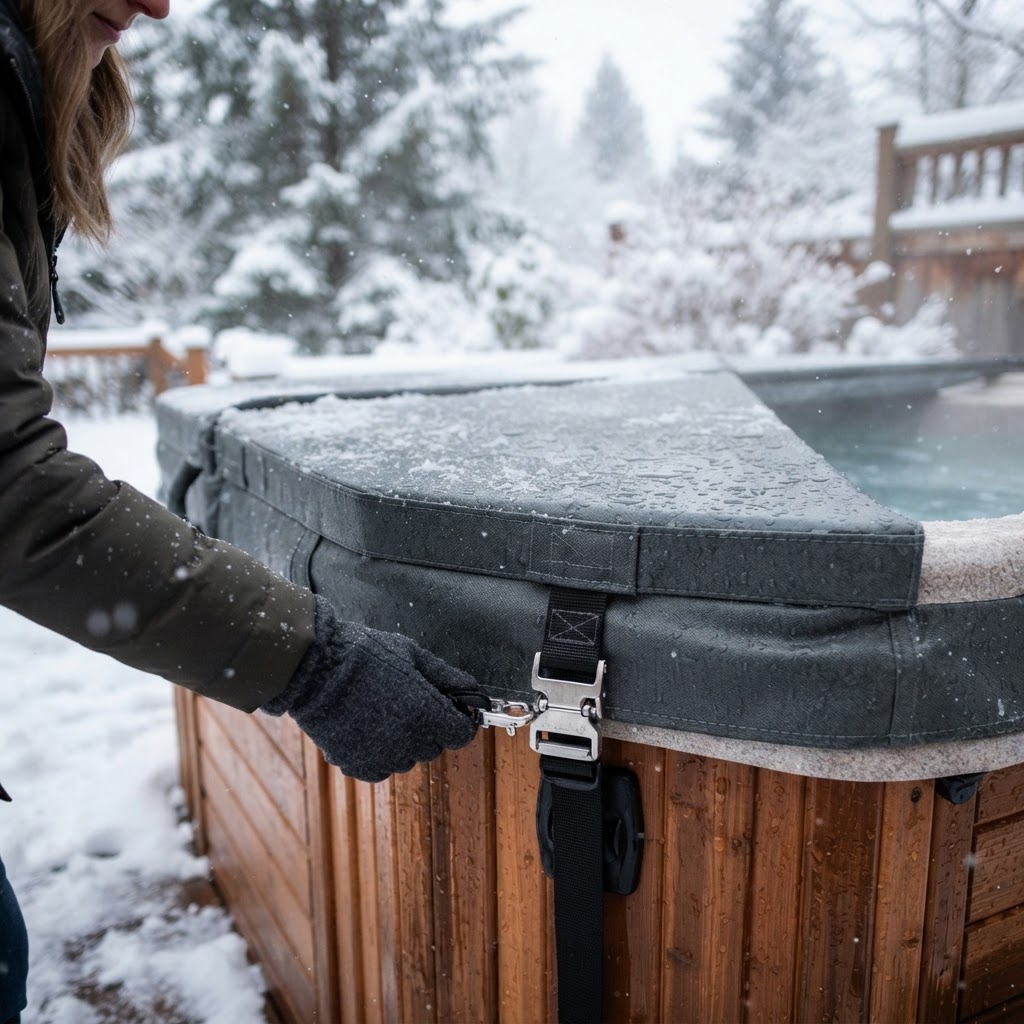
The most important element of hot tub freeze protection is ensuring consistent circulation. If your hydrotherapy jets are not flowing, water in the lines can stagnate and freeze. Always ensure your spa cover is properly latched to prevent heat loss, which is the leading cause of high energy bills during winter months.
Daily and Weekly Maintenance Routine
To keep your water balanced and your equipment healthy, consistency is key. Following a disciplined maintenance schedule prevents the buildup of total dissolved solids and keeps your sanitizers working effectively.
- Daily: Briefly check your display to ensure there are no error codes, such as those related to the heater or flow.
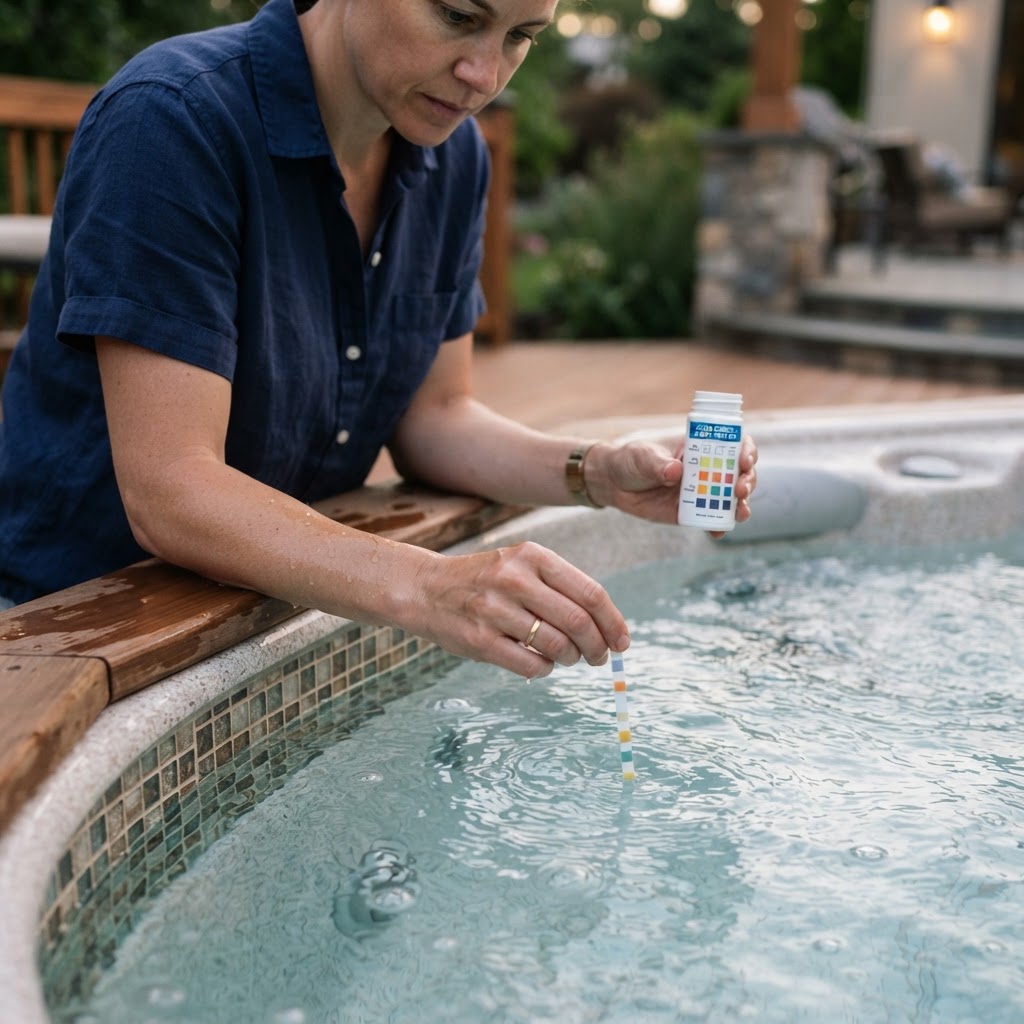
- Weekly: Use test strips to measure pH balancer, alkalinity, and calcium hardness. Adjust these levels to prevent scale buildup on your acrylic shell.
- Water Chemistry: Always maintain your sanitizer levels (chlorine or bromine). If you prefer a simpler routine, consider switching to a salt water system, which often requires less hands-on balancing.
Monthly Tasks for Peak Performance
Once a month, give your hot tub a deeper inspection. This is the perfect time to clean your cartridge filter, as a dirty filter restricts flow and puts unnecessary strain on your pump. Refer to our Hot Tub Chemicals Guide for specific instructions on balancing your water.
Inspect your spa cover for any tears or sagging that might allow heat to escape. If you find your cover is heavy or waterlogged, it is likely time for a replacement thermal cover to keep your energy costs manageable.
Seasonal Maintenance and Energy Tips
As winter sets in, focus on heat retention. A heavy-duty cover lifter can make it easier to open and close your tub, encouraging more frequent use. Ensure that your Balboa controls are programmed for optimal filtering cycles. If you notice your electric heater is running constantly, your insulation may need to be checked or your filtration cycle duration adjusted.
If you are planning to close your tub for an extended period, you must follow a proper winterization process—draining the lines, blowing out the jets, and ensuring no water remains in the pump housing. For help with hot tub installation or complex winterization tasks, our specialists are always available to help guide you.
Troubleshooting Common Winter Issues
Even with great care, you might run into minor issues. The most common is a "flow" error. This usually indicates that your cartridge filter is clogged or the circulation pump is struggling to prime. Before calling a technician, try removing the filter to see if the error clears. If not, check your drain valve to ensure it is closed and not leaking.
If you find that your whirlpool jet or neck and shoulder jet is losing power, it may be a simple air lock in the pump. Loosening the pump union slightly can often release the trapped air.
When to Call a Professional
While DIY maintenance is great for day-to-day care, some issues require an expert. If you experience a persistent heater failure, a leak within the cabinet, or recurring electrical trips, contact us for professional support. Our warranty terms cover most equipment failures, so do not hesitate to reach out if your spa is not performing as expected.
Related Reading
- Hot Tub Chemicals Guide: A Beginner's Start-to-Finish
- Salt Water vs Chlorine Hot Tubs: Which Is Better for Your Home?
- Hot Tub FAQs: Everything First-Time Owners Want to Know
- Hot Tub Installation: What to Know Before Delivery Day
FAQ
How often should I test my hot tub water in winter?
You should test your water at least once a week during winter. Cold weather can impact chemical efficacy, so monitoring pH and sanitizer levels is essential for keeping your water crystal clear.
Can I leave my hot tub empty during the winter?
Yes, but you must winterize it completely. This involves blowing out all lines with a wet/dry vac to ensure no standing water exists in the pump or heater, as freezing water will crack your components.
What is the ideal temperature for a hot tub in winter?
Most owners prefer keeping their spa between 100°F and 104°F. Adjust your settings based on comfort, but remember that higher temperatures require more energy to maintain in sub-zero conditions.
Ready to invest in your home wellness?
Whether you are upgrading your backyard with a new hot tub, swim spa, or sauna, Hearthside Supply is here to help. We provide nationwide delivery to help you get the relaxation you deserve. For personalized recommendations, call our team at +1 (253) 264-2435 or email sales@hearthsidesupply.com. You can also talk to a specialist today to learn more about our premium wellness products.
Ready to invest in your home wellness?
Explore our curated selection of premium saunas, hot tubs, cold plunges, steam showers, and swim spas — with clear specifications, nationwide delivery, and secure checkout.
Keep reading
View all posts
 Hot Tubs
Hot Tub Chemicals Guide: A Beginner's Start-to-Finish
Master hot tub water chemistry with our comprehensive guide. Learn about sanitizers, pH balancers, and shock treatments to keep your spa pristine and safe.
Read article
 Hot Tubs
How Much Does a Hot Tub Cost to Run Per Month? A Budgeting Guide
Discover the real monthly operating costs of a hot tub, including energy, chemicals, and maintenance. Use our expert guide to budget for your home spa.
Read article
 Hot Tubs
Salt Water vs Chlorine Hot Tubs: Which Is Better for Your Home?
Choosing between a salt water vs chlorine hot tub? We break down the differences in maintenance, skin feel, and cost to help you decide on your perfect spa.
Read article