Hot Tub Chemicals Guide: A Beginner's Start-to-Finish

Hot Tub Chemicals Guide: A Beginner's Start-to-Finish — Hot Tubs
Master hot tub water chemistry with our comprehensive guide. Learn about sanitizers, pH balancers, and shock treatments to keep your spa pristine and safe.
Understanding Hot Tub Water Chemistry
Owning a premium hot tub is an investment in your health and relaxation, but maintaining clear, safe water is the cornerstone of that experience. Whether you have a high-end model with advanced filtration or a compact backyard spa, understanding hot tub water chemistry is essential. Proper maintenance ensures that your hot tubs operate efficiently, protecting your equipment like the circulation pump and heater from mineral buildup or corrosion.
New owners often feel intimidated by the array of bottles and test kits available. However, once you understand the basic cycle of sanitation, balancing, and shocking, it becomes a simple part of your weekly routine. For a deeper look at your investment, be sure to read The Complete Hot Tub Buying Guide for 2026 to see how modern features like ozonators simplify water care.
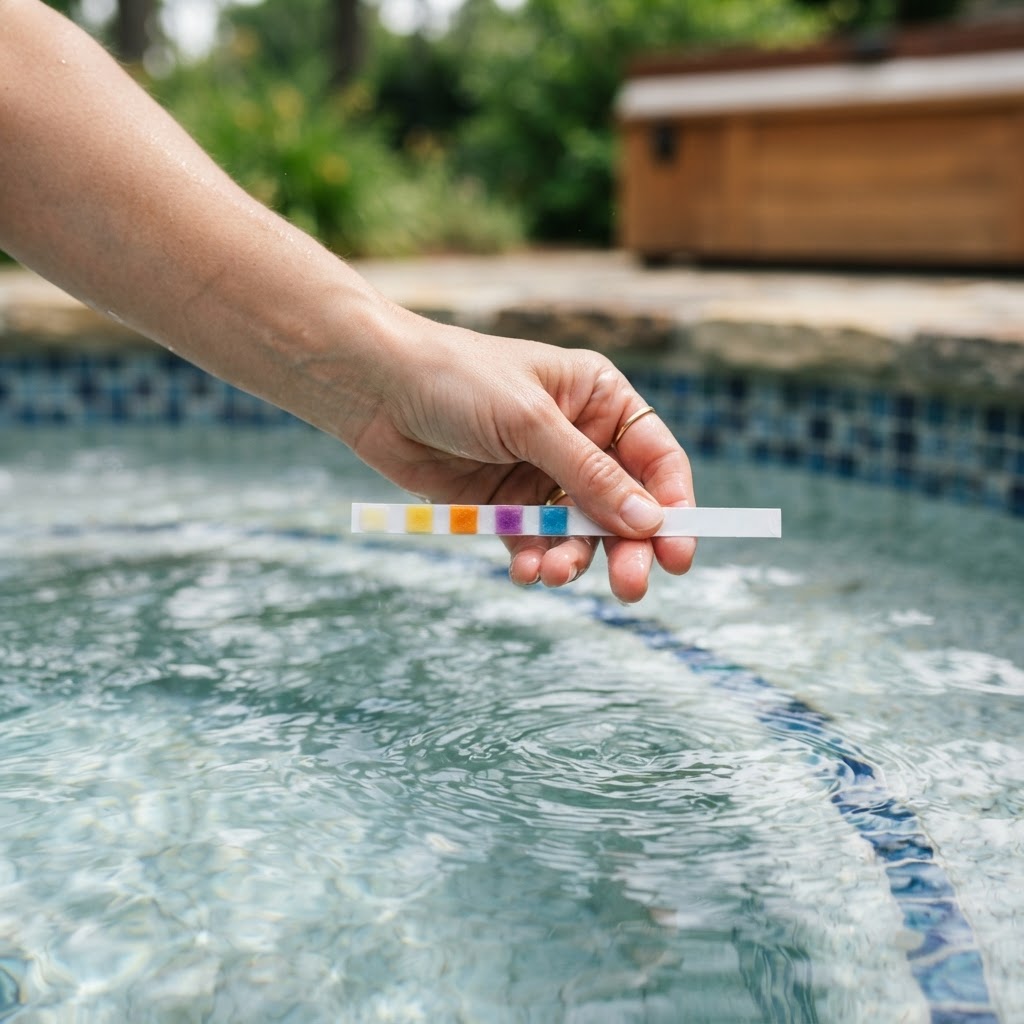
Maintaining the water doesn't just protect the acrylic shell; it protects your skin and ensures a hygienic soak. If you are just starting out, checking your levels is as easy as using test strips to get an immediate readout of your spa's status.
The Essential Trio: Sanitizer, pH, and Alkalinity
Water chemistry relies on a delicate balance. If any one of these levels is significantly off, you may experience cloudy water, skin irritation, or damage to your spa pack components.
Choosing Your Hot Tub Sanitizer
The hot tub sanitizer is your primary defense against bacteria and algae. You generally have three choices: chlorine, bromine, or a salt water system. Chlorine is fast-acting but can be harsh on sensitive skin; bromine is more stable at higher temperatures and often preferred for covered spas. For more guidance on this, see our article on How to Choose a Hot Tub Sanitizer for Clear Water.
Balancing pH and Alkalinity
The hot tub pH level should ideally sit between 7.2 and 7.8. If the pH is too low (acidic), it can corrode your hydrotherapy jet internals and electric heater elements. If it is too high (basic), it can lead to scale buildup. Alkalinity acts as a buffer for your pH, preventing it from swinging wildly. Always adjust your total alkalinity first, as it makes stabilizing your pH much easier.
Shocking Your Spa: When and Why
Even with a regular sanitizer, you must occasionally perform a shock treatment. Shocking the water oxidizes organic contaminants (like sweat, lotions, and oils) that build up over time. It essentially "refreshes" your sanitizer, allowing it to work more effectively. We recommend shocking your spa at least once a week or after a heavy usage session, especially if you have guests over or are hosting a party.
Common Mistakes to Avoid
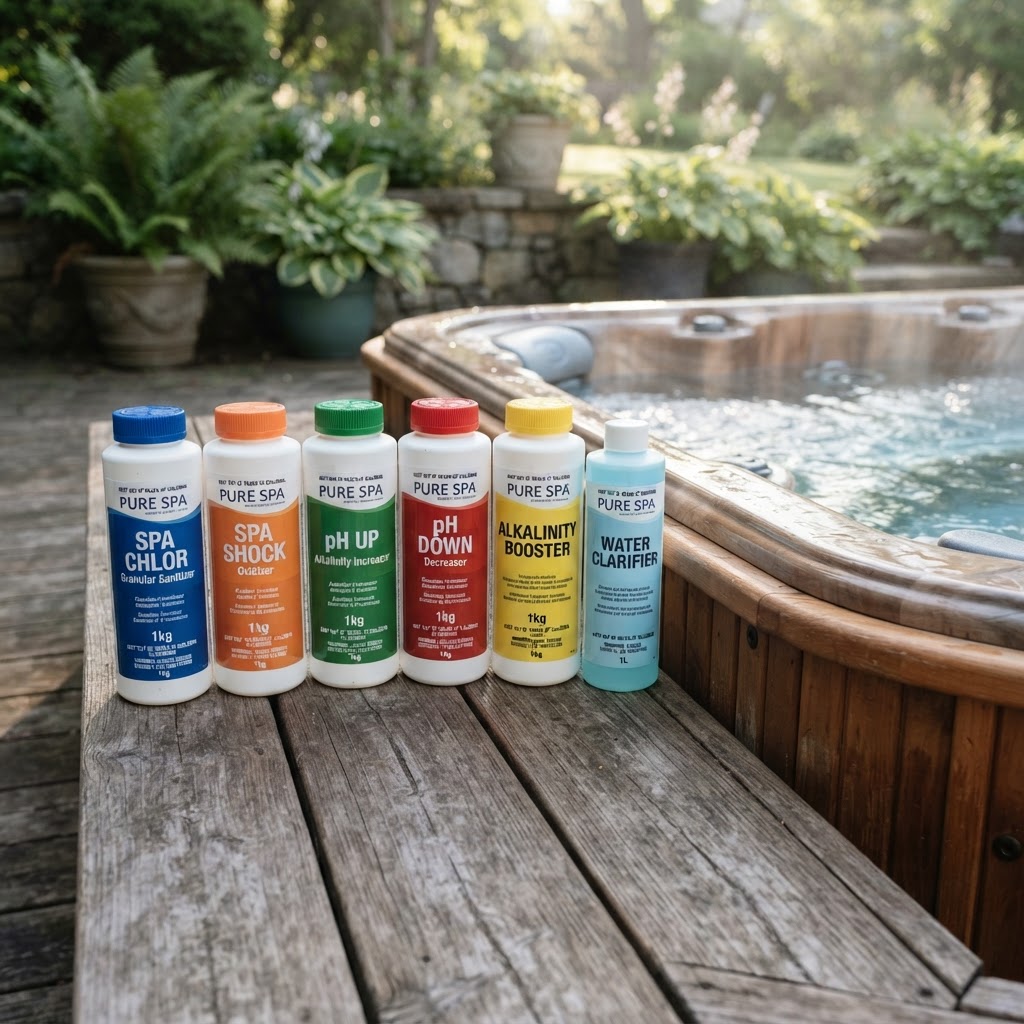
Many first-time owners make the mistake of over-treating their water. More chemicals do not equal cleaner water; in fact, dumping too many chemicals in at once can lead to chemical lock, where the sanitizer becomes ineffective. Always measure your doses according to the volume of your spa. If you are unsure about your specific model's capacity, our experts at Hearthside Supply can help—whether you are located in California, Florida, or anywhere else in the nation.
Another common oversight is neglecting filter care. Your cartridge filter is the first line of defense against physical debris. If the filter is clogged, your sanitizer won't be able to circulate correctly. Learn more about maintaining your system in our Hot Tub Filter Care and Replacement Guide.
Related Reading
- Salt Water vs Chlorine Hot Tubs: Which Is Better for Your Home?
- Hot Tub Installation: What to Know Before Delivery Day
- Hot Tub Jet Types Explained: What Each Jet Does
- Hot Tub FAQs: Everything First-Time Owners Want to Know
FAQ
How often should I test my water?
We recommend using test strips to check your water chemistry at least 2-3 times per week, or before every use, to ensure the sanitizer and pH levels are in the safe range.
What is calcium hardness and why does it matter?
Calcium hardness refers to the amount of dissolved calcium in your water. If it is too low, the water becomes aggressive and will pull calcium from your heater and seals; if it is too high, it leads to scale buildup on the shell and jets.
Do I really need to drain my hot tub?
Yes, you should drain and refill your hot tub every 3 to 4 months. Over time, total dissolved solids increase, making it harder for chemicals to maintain balance, regardless of how much sanitizer you use.
Ready to invest in your home wellness?
Whether you are looking to upgrade to a luxury spa with Bluetooth audio and aromatherapy, or you need guidance on your first chemical kit, the team at Hearthside Supply is here to support you. Explore our full range of Hot Tubs, Saunas, Cold Plunges, and Swim Spas today. For personalized advice, please contact our specialists at +1 (253) 264-2435 or email sales@hearthsidesupply.com. We offer nationwide shipping and are dedicated to making your wellness journey seamless.
Ready to invest in your home wellness?
Explore our curated selection of premium saunas, hot tubs, cold plunges, steam showers, and swim spas — with clear specifications, nationwide delivery, and secure checkout.
Keep reading
View all posts
 Hot Tubs
How Much Does a Hot Tub Cost to Run Per Month? A Budgeting Guide
Discover the real monthly operating costs of a hot tub, including energy, chemicals, and maintenance. Use our expert guide to budget for your home spa.
Read article
 Hot Tubs
Salt Water vs Chlorine Hot Tubs: Which Is Better for Your Home?
Choosing between a salt water vs chlorine hot tub? We break down the differences in maintenance, skin feel, and cost to help you decide on your perfect spa.
Read article
 Hot Tubs
Hot Tub FAQs: Everything First-Time Owners Want to Know
New to the world of hydrotherapy? Get expert answers to common hot tub questions, from installation and costs to water maintenance and safety tips.
Read article