
How to Choose a Hot Tub Sanitizer for Clear Water
How to Choose a Hot Tub Sanitizer for Clear Water — Wellness
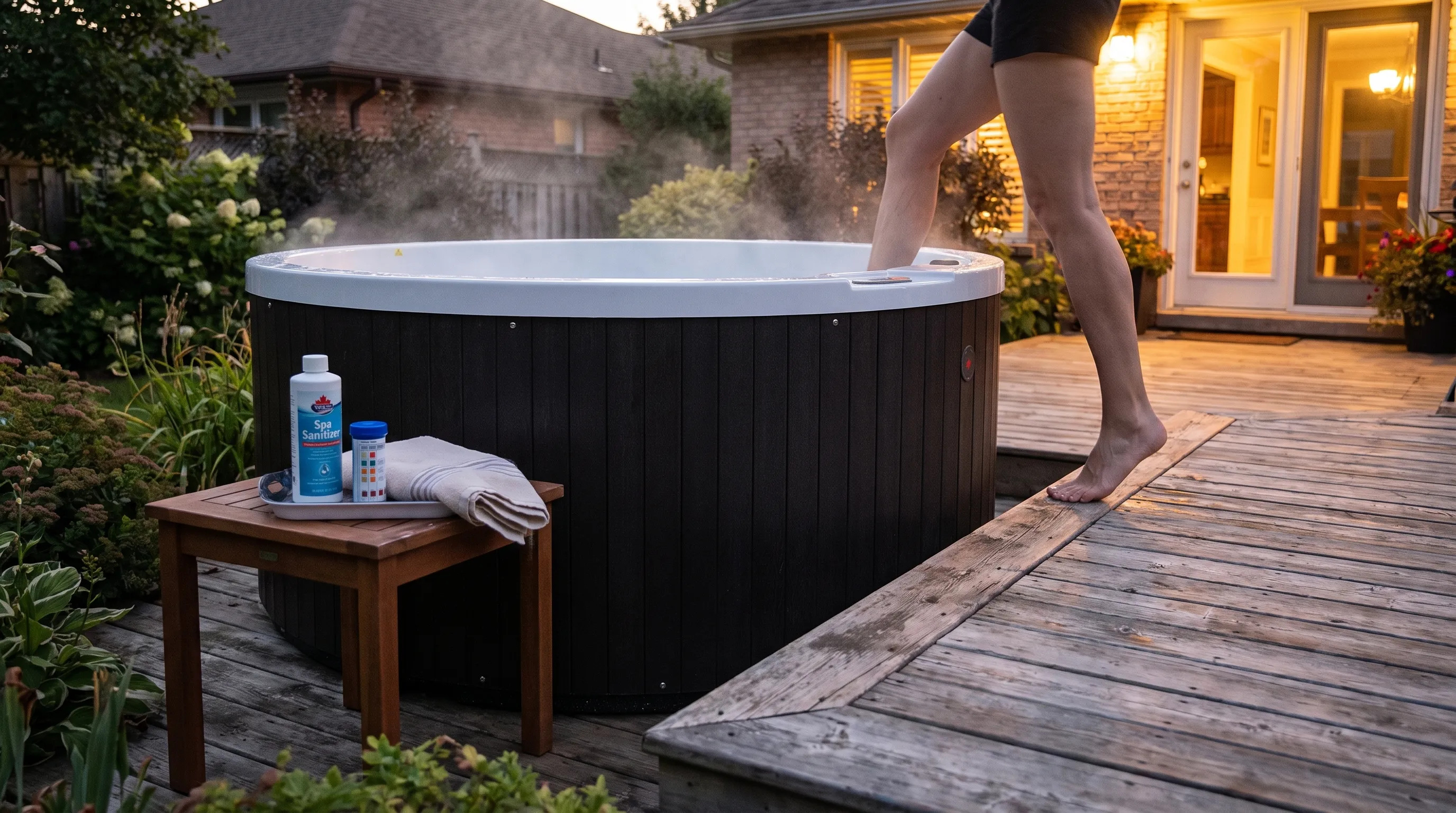
Clear hot tub water starts with choosing the right sanitizer for your spa, usage habits, and maintenance style. This guide compares chlorine, bromine, mineral systems, saltwater options, and practical buying tips for easier water care.
A good hot tub sanitizer does more than make water look clean. It helps maintain a protective sanitizer residual in warm, aerated water where body oils, sweat, cosmetics and debris can build up quickly. Choose the wrong system, or use the right one inconsistently, and even a premium spa can turn cloudy, foamy or unpleasant to use.
The goal is not to find the strongest chemical on the shelf. The goal is to choose a sanitizer that fits your hot tub, your usage habits, your tolerance for routine maintenance and the recommendations in your spa owner’s manual. Clear water comes from matching sanitizer with good testing, balanced pH, clean filters and realistic expectations.
This guide explains the main hot tub sanitizer options, how they compare and how to choose the best fit for easier water care.
Clear Water Starts With Sanitizer, But It Does Not End There
Sanitizer is the active water care component that helps control bacteria and organic contaminants in hot tub water. Because hot tubs operate at higher temperatures than swimming pools and move water through jets, sanitizer demand can change quickly after each soak.
Still, sanitizer is only one part of water clarity. Water can have enough sanitizer and still look dull if the pH is out of range, the filter is dirty or the water contains excess dissolved solids. On the other hand, sparkling water is not automatically properly sanitized. That is why testing matters.
A dependable hot tub water routine usually includes:
- A primary sanitizer, such as chlorine or bromine
- Regular testing for sanitizer residual and pH
- Balanced alkalinity and calcium hardness
- Periodic oxidation, often called shock
- Clean filters and adequate circulation
- Drain and refill intervals based on usage and manufacturer guidance
If you are new to spa ownership, it helps to pair this sanitizer guide with a simple maintenance rhythm. Hearthside Supply’s guide to hot tub maintenance for beginners walks through the weekly habits that keep water care manageable.
The Main Types of Hot Tub Sanitizer
Most residential hot tubs use chlorine, bromine or a supplemental system that works with one of those sanitizers. Some shoppers want the easiest routine, some want a lower odor profile and some want the fewest manual chemical additions. Each option has tradeoffs.
Chlorine Sanitizer
Chlorine is one of the most common hot tub sanitizer choices because it is widely available, familiar to many owners and effective when used according to label directions. It is often sold as granules, tablets or part of a system designed for spas.
Chlorine can be a practical choice if you want a straightforward routine and do not mind testing and dosing regularly. It works quickly, which is useful after heavy use. The tradeoff is that chlorine can produce a noticeable odor if the water is not balanced or if combined chlorine builds up. That odor is often a sign the water needs oxidation, not necessarily that there is too much sanitizer.
Chlorine is a good fit for owners who want simple product availability and are comfortable checking water several times per week.
Bromine Sanitizer
Bromine is very popular in hot tubs because it tends to remain more stable in hot water than chlorine. Many owners also prefer its odor profile. It is commonly used with a floating feeder or cartridge system, which can make day-to-day sanitizer delivery feel more consistent.
Bromine usually costs more than basic chlorine products and may act more slowly, depending on the product format. It also needs periodic oxidation to reactivate bromide ions and handle organic waste. If you use bromine, use products intended for bromine systems and avoid mixing chlorine and bromine tablets in the same feeder.
Bromine is often a strong choice for frequent hot tub users, especially those who want consistent sanitizer levels with less hands-on dosing.
Mineral Systems
Mineral systems typically use cartridges or sticks containing minerals such as silver or copper. These systems are usually supplemental, meaning they support water care but do not always replace the need for an EPA-registered sanitizer residual.
A mineral system may allow some owners to use less chlorine or bromine, depending on the product instructions. That can be attractive if you want a lower-chemical routine, but it is important to read the label carefully. If the system says a sanitizer residual is still required, do not treat the mineral cartridge as a stand-alone sanitizer.
Mineral systems are best for owners who want to simplify water care while still maintaining a tested sanitizer level.
Saltwater Systems
Saltwater hot tubs are often misunderstood. A saltwater system is not chemical-free. In many spa systems, a generator converts salt in the water into chlorine. You still need to test sanitizer levels, balance pH and maintain the equipment.
The appeal is convenience. A compatible saltwater system can reduce the need for frequent manual sanitizer additions, but it also adds components that require care. Not every hot tub is designed for saltwater operation, and using a salt system in a non-compatible spa can create problems. Always confirm compatibility before buying or converting.
Saltwater is a better fit for shoppers who want a more automated routine and are willing to follow specific setup and maintenance requirements.
Ozone and UV Systems
Ozone and UV systems are supplemental water care technologies. They can help reduce sanitizer demand, but they generally do not maintain a lasting sanitizer residual in the water by themselves. That residual matters because water must remain protected between filtration cycles and while people are soaking.
If your hot tub includes ozone or UV, think of it as support for your sanitizer, not a replacement unless your spa manufacturer and chemical product instructions clearly say otherwise.
| Sanitizer option | Best fit | Main advantage | Watchout |
|---|---|---|---|
| Chlorine | Owners who want simple, widely available water care | Fast-acting and familiar | Odor can increase when water is unbalanced or needs shock |
| Bromine | Frequent hot tub users and warm-water spas | Stable in hot water with a softer odor profile | Often costs more and still needs oxidation |
| Mineral system | Owners who want supplemental support | May reduce sanitizer demand when used correctly | Usually still needs chlorine or bromine residual |
| Saltwater system | Compatible spas and owners who want automation | Generates sanitizer with fewer manual additions | Not chemical-free and not compatible with every spa |
| Ozone or UV | Supplemental water care | Can support cleaner water | Does not usually replace residual sanitizer |
How to Match a Sanitizer to Your Hot Tub and Usage
The right hot tub sanitizer depends on more than personal preference. It should match the spa’s materials, plumbing, water volume, cover habits and how many people use it.
Start with the owner’s manual. Spa manufacturers may recommend specific sanitizer types or warn against others. If your spa has a particular cartridge, feeder, ozone unit or salt system, follow the manufacturer’s guidance before adding products. The label on the sanitizer is also a legal and practical instruction source, especially for dosage, storage and safe handling.
If you are still shopping for a spa, think about water care before you buy. A compact portable model such as the Canadian Spa Okanagan 4-Person 10-Jet Portable Hot Tub may appeal to homeowners who want a smaller soaking setup and a straightforward care routine. A larger entertaining-focused option such as the Canadian Spa Ottawa 5-Person 38-Jet Hot Tub calls for the same water care discipline, but owners should pay close attention to sanitizer demand after multiple bathers use the spa.
Usage is one of the biggest variables. A hot tub used by one or two adults a few evenings per week will usually demand less sanitizer than a spa used by a family or guests every weekend. Products such as lotions, makeup, hair products and laundry detergent residue from swimsuits also increase sanitizer demand.
Indoor and outdoor placement matters too. Outdoor spas can collect pollen, leaves and windblown debris. Indoor installations need careful ventilation and moisture planning. If you are still deciding where your spa belongs, Hearthside Supply’s guide to indoor vs outdoor hot tubs can help you think through the ownership differences.
Test Before You Treat
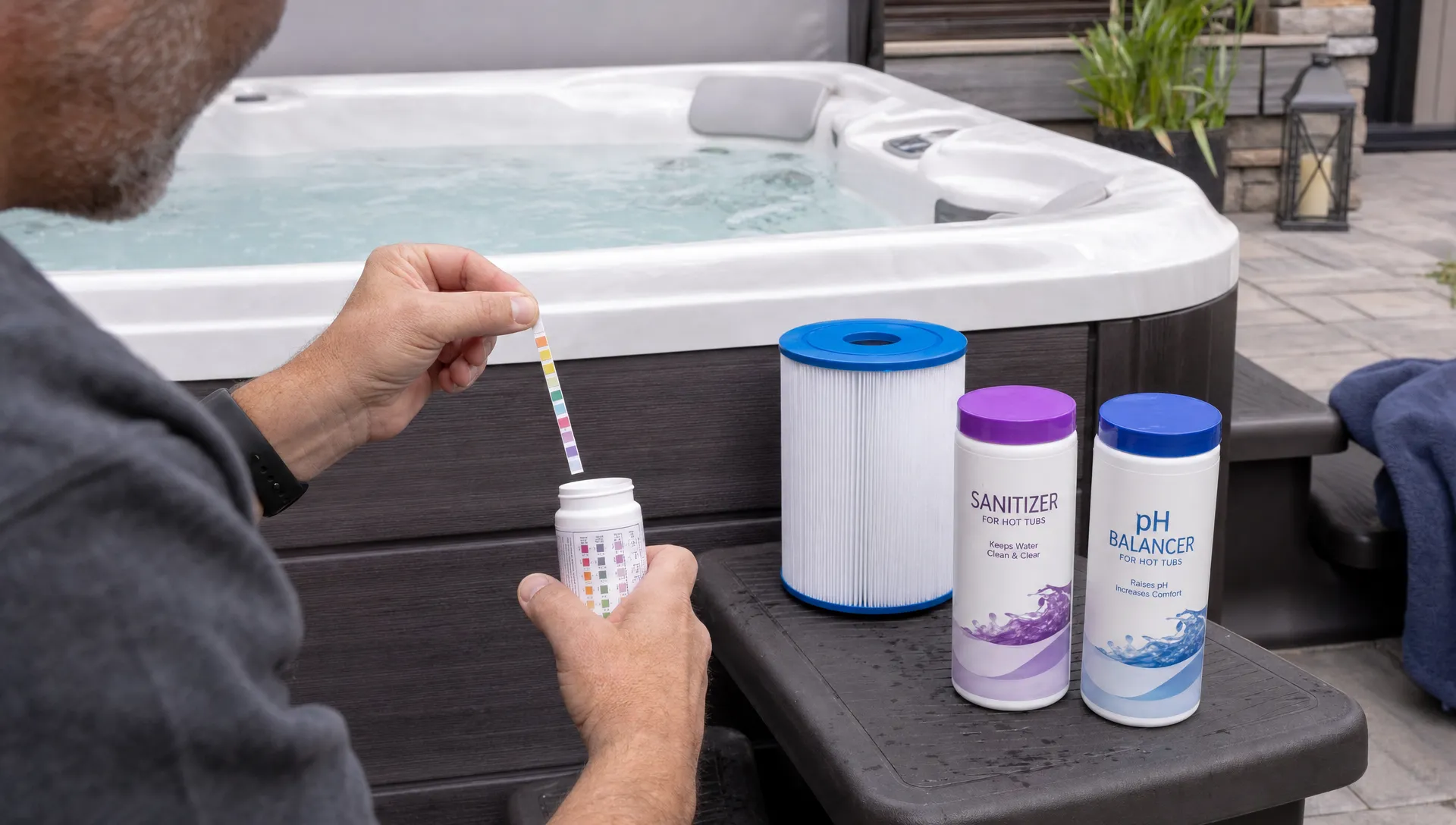
Choosing a sanitizer is only useful if you test consistently. Test strips are convenient, while liquid kits can offer more precision when used correctly. Whichever method you choose, use fresh testing supplies and store them away from humidity and extreme heat.
Many residential spa kits reference common target ranges like the ones below, but your sanitizer label and spa manual should always be the final authority.
| Water factor | Common target used by many spa owners | Why it matters |
|---|---|---|
| pH | About 7.2 to 7.8 | Helps sanitizer work properly and supports bather comfort |
| Free chlorine | Often around 3 ppm for hot tubs | Maintains a sanitizer residual when using chlorine |
| Bromine | Often around 4 ppm for hot tubs | Maintains a sanitizer residual when using bromine |
| Total alkalinity | Often around 80 to 120 ppm | Helps stabilize pH |
| Calcium hardness | Follow spa and product guidance | Helps protect surfaces and equipment from water that is too soft or scale-prone |
Do not chase perfect numbers with constant chemical additions. Test, adjust one factor at a time and allow the water to circulate before retesting. Overcorrecting can create the same cloudy water you were trying to avoid.
Sanitizer Is Not the Same as Shock
A common hot tub water care mistake is treating sanitizer and shock as interchangeable. They work together, but they are not the same.
Sanitizer maintains a residual in the water to help keep it protected between uses. Shock is an oxidizer used periodically to break down organic contaminants such as sweat, oils and cosmetics. Some shock products are chlorine-based and some are non-chlorine oxidizers. The right choice depends on whether you use chlorine, bromine or another approved system.
If your water smells strongly of chemicals, looks dull after use or shows a low sanitizer reading even after dosing, shock may be needed. Follow the product label and wait until the water is within the safe soaking range before getting back in.
Which Hot Tub Sanitizer Is Best for Your Lifestyle?
There is no single best hot tub sanitizer for every homeowner. The best choice is the one you will use correctly and consistently.
| Your priority | Sanitizer path to consider | Why it may fit |
|---|---|---|
| Lowest complexity | Chlorine granules or a simple chlorine program | Easy to find and quick to adjust |
| Hot-water stability | Bromine tablets or bromine cartridge system | Popular for warm spas and frequent soaking |
| Lower routine sanitizer demand | Mineral system plus required sanitizer | Supports the primary sanitizer when used as directed |
| Fewer manual additions | Compatible saltwater system | Automates some sanitizer production |
| Guest-heavy use | Chlorine or bromine with reliable testing and shock | Easier to respond to heavy bather load |
| Sensitive smell preferences | Bromine or mineral-supported program | May feel more pleasant to some owners when balanced properly |
If you are unsure, start simple. For many new owners, a well-understood chlorine or bromine routine is easier than combining multiple specialty products. Once you understand your spa’s behavior, you can add supplemental systems if they are compatible and genuinely reduce your workload.
Common Sanitizer Mistakes That Lead to Cloudy Water
Cloudy hot tub water usually has a cause. Sanitizer is often part of the issue, but it is rarely the only factor. Before draining the tub or adding more products, work through the basics.
- Letting sanitizer drop to zero between uses
- Using pool chemicals instead of spa chemicals when the label does not allow it
- Ignoring pH and alkalinity while focusing only on sanitizer
- Forgetting to clean or replace filters as needed
- Adding multiple chemicals at once without retesting
- Using clarifier repeatedly instead of fixing the root cause
- Soaking with lotions, oils or detergent residue on swimsuits
- Skipping shock after heavy use
Persistent cloudy water, recurring odor, scale, foam or equipment concerns can be a sign that DIY maintenance is no longer enough. In that case, this guide on when to hire a hot tub maintenance service explains when professional help may be worth it.
Safety and Storage Tips for Hot Tub Sanitizers
Spa chemicals are useful when handled correctly and risky when handled carelessly. Store sanitizer in its original container with the label intact, away from children, pets, moisture and direct heat. Keep chlorine and bromine products separate. Never mix chemicals together in a bucket, feeder or storage container.
Add chemicals according to label directions, allow proper circulation and retest before soaking. If a product says to leave the cover open for a period after shocking, follow that instruction. Hot tub covers can trap vapors, and good airing helps protect both the cover and the soaking experience.
Also avoid switching sanitizer systems casually. Moving from bromine to chlorine, or from chlorine to bromine, may require draining, cleaning and starting fresh. Residue from the previous system can interfere with the new one, especially in feeders and plumbing.
Buying Checklist: What to Look for in a Hot Tub Sanitizer
When comparing sanitizer products, do not choose by price alone. A bargain product that is hard to dose or incompatible with your spa can cost more in wasted chemicals and frustration.
Look for these details before buying:
- Clear labeling for hot tub or spa use
- Compatibility with your sanitizer system, feeder or cartridge
- Dosage instructions based on water volume
- Test kit or test strip compatibility
- Storage and handling instructions you can realistically follow
- Guidance for how the sanitizer works with shock, minerals, ozone or UV
If you are creating a broader home wellness space, water care is just one part of the experience. Some homeowners pair hot tub soaking with stretching, low-impact movement or at-home recovery tools. For land-based recovery products outside the spa category, professional-grade recovery devices for home use can be a relevant comparison point as you plan a complete routine.
Frequently Asked Questions
What is the easiest hot tub sanitizer for beginners? Chlorine and bromine are usually the easiest starting points because they are common, well documented and supported by many test kits. Bromine may feel easier for some owners when used with a feeder, while chlorine can be quicker to adjust.
Is bromine better than chlorine for hot tubs? Bromine is often preferred in hot tubs because it performs well in warm water and has a different odor profile. Chlorine is still a strong option, especially for owners who want fast adjustment and broad availability. The better choice depends on your spa, budget and maintenance style.
Can I use a mineral cartridge instead of sanitizer? Usually no. Many mineral systems are supplemental and still require a chlorine or bromine residual. Read the product label and your spa manual before relying on minerals alone.
Why is my hot tub cloudy even though sanitizer is high? Cloudiness can come from unbalanced pH, dirty filters, high dissolved solids, heavy bather load, residue from lotions or too many added products. Test the full water balance, clean the filter and avoid adding more sanitizer until you understand the cause.
How often should I test hot tub sanitizer levels? Many owners test several times per week and before soaking, especially after heavy use. If the spa is used frequently, test more often. Always follow your sanitizer label and spa manufacturer’s guidance.
Is saltwater hot tub water chemical-free? No. Saltwater systems typically generate sanitizer from salt, but you still need to test the water, maintain proper pH and follow the system’s care instructions.
Choose the Sanitizer You Will Maintain Consistently
Clear hot tub water is the result of a system, not a single product. Choose a hot tub sanitizer that is compatible with your spa, easy for you to test, realistic for your schedule and supported by clear instructions. Chlorine, bromine, mineral systems and saltwater systems can all work well when used properly.
If you are still selecting a hot tub, think about water care early. The right spa, the right sanitizer and a simple weekly routine will make ownership more relaxing and less reactive.
Ready to invest in your home wellness?
Explore our curated selection of premium saunas, hot tubs, cold plunges, steam showers, and swim spas — with clear specifications, nationwide delivery, and secure checkout.
Keep reading
View all posts Wellness
Exercise Swim Spa Features for Low-Impact Training
A swim spa can turn a backyard into a compact, low-impact training space. Learn which current, sizing, resistance, safety and maintenance features matter before you buy.
Read article Wellness
How to Choose a Compact Hot Tub for a Small Backyard
A compact hot tub can turn a tight patio or side yard into a practical wellness space. Learn how to measure, compare seating, plan installation and avoid layout mistakes before you buy.
Read article Wellness
Which Cold Therapy Tubs Fit Your Recovery Routine?
The best cold therapy tub is the one that matches how often you recover, where you plan to use it and how much upkeep you want. Use this guide to compare tub styles, setup needs and contrast options before buying.
Read article