
How to Choose a Compact Hot Tub for a Small Backyard
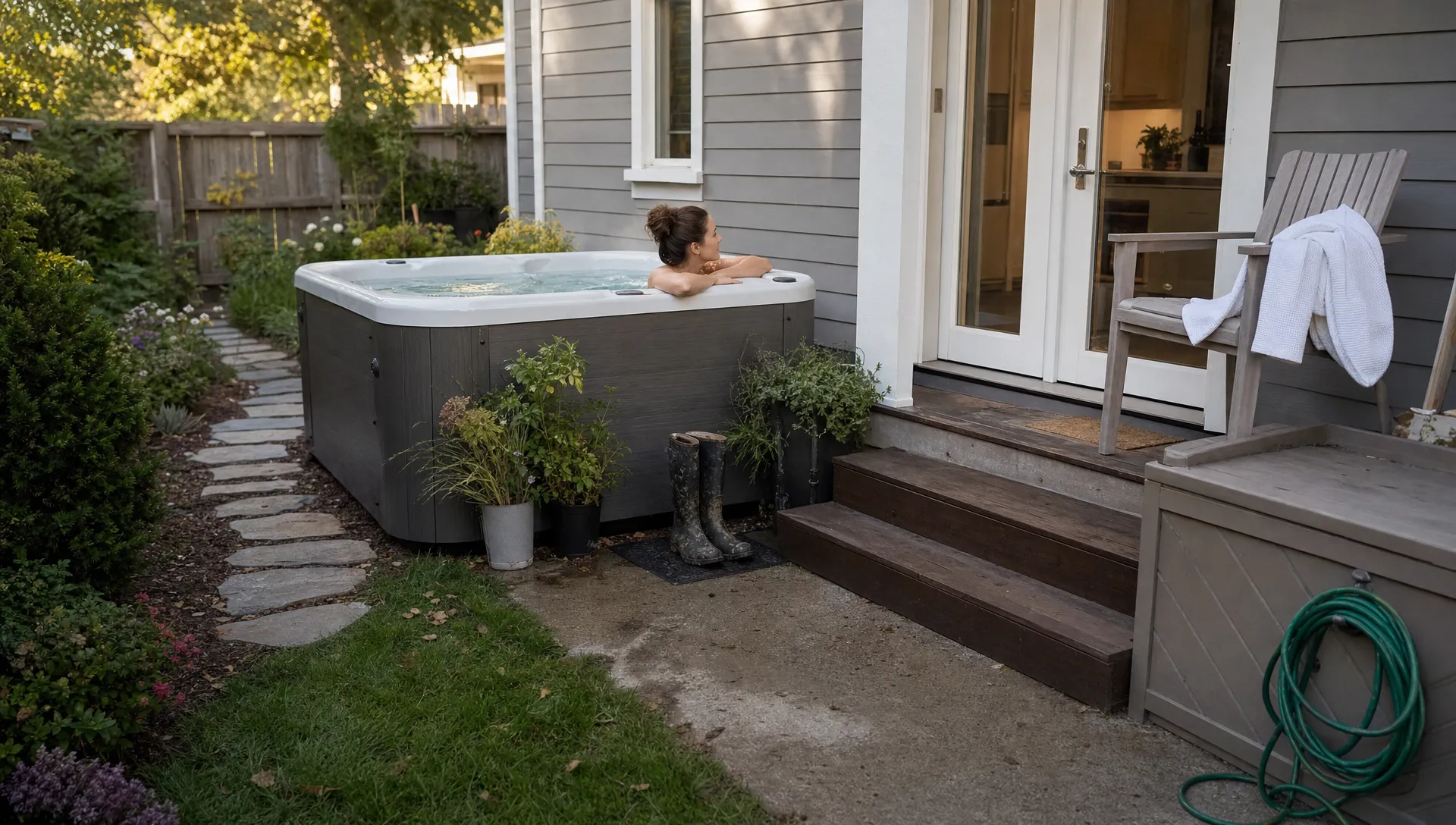
How to Choose a Compact Hot Tub for a Small Backyard — Wellness
A compact hot tub can turn a tight patio or side yard into a practical wellness space. Learn how to measure, compare seating, plan installation and avoid layout mistakes before you buy.
A small backyard does not rule out a real spa experience. It simply means the buying process has to be more precise. The right compact hot tub can fit into a patio corner, side yard or small deck area without crowding the space or creating maintenance headaches later.
The key is to look beyond the shell dimensions. Seating style, cover clearance, service access, electrical needs, foundation strength and how people will move around the tub all matter. A model that looks perfect online may feel oversized once you add steps, a cover lifter and a safe walking path.
This guide walks through the practical decisions that help you choose a compact hot tub for a small backyard with confidence.
Start With the Space You Actually Have
Before comparing models, measure the space where the spa could realistically go. Measure the length and width of the usable area, then account for the things buyers often forget: walking clearance, a place to stand while entering the tub, space for steps and room for the cover to open.
A tight installation can work well, but it should not feel trapped. Most owners need enough clearance to remove access panels, clean around the spa and reach the equipment area if service is ever needed. If the tub will sit near a fence, wall or landscaping bed, check the model’s owner information for access requirements before you commit.
A simple way to visualize the footprint is to mark the proposed spa outline with painter’s tape, string or cardboard. Then walk around it as if the tub were already there. Open a gate. Carry a towel. Imagine lifting the cover. This exercise quickly reveals whether the space feels comfortable or cramped.
Match Seating Capacity to How You Will Actually Use It
A compact hot tub is not just a smaller version of a large party spa. It should match your everyday use case. Many small backyard buyers picture occasional entertaining, but in practice, the tub may be used most often by one or two people after work, after exercise or on quiet weekends.
If the spa is mainly for a couple, a two-seat or three-seat model may be more comfortable than a larger tub squeezed into the same footprint. If you expect guests, look at upright bench seating or open footwells that make better use of interior space.
| Typical use case | Seating style to consider | Why it works in a small backyard |
|---|---|---|
| One or two regular users | Two-seat or lounge configuration | Prioritizes comfort without taking over the patio |
| Small family use | Three-seat or four-seat upright layout | Adds capacity while keeping the footprint controlled |
| Occasional guests | Open bench seating | Makes it easier for different body types to sit comfortably |
| Recovery and relaxation routine | Deeper seat with targeted jets | Focuses on comfort instead of maximum headcount |
Pay attention to interior room as much as exterior size. A compact shell with a cramped footwell may feel less comfortable than a slightly larger model with smarter seating geometry.
Choose the Shape That Fits Your Yard Layout
Shape can make or break the installation. Square spas are common because they fit neatly against patios, fences and privacy screens. Rectangular models can work well along a side yard or narrow patio. Round spas may feel inviting, but they can waste corner space in a very small yard.
For many homeowners, the best compact hot tub is the one that sits naturally within the existing lines of the backyard. A square or rectangular spa can align with pavers, deck boards or a pergola. That creates a cleaner look and often leaves more usable floor space around the tub.
Also consider how the cover opens. A cover lifter can make daily use easier, but it needs clearance behind or beside the spa depending on the style. In a narrow backyard, that may determine which direction the tub should face.
Confirm Foundation, Delivery Access and Electrical Requirements
A hot tub needs a stable, level foundation. Common options include a reinforced concrete pad, properly installed pavers or a deck engineered to support the filled weight of the spa plus occupants. Do not assume an existing deck can handle the load. Water is heavy, and a filled tub can place significant weight on a small area.
Delivery access matters just as much. Measure gate openings, side-yard width, overhead branches, steps, tight turns and slope. If the spa must pass through a narrow area, verify the packaged dimensions and delivery requirements before ordering.
Electrical planning also deserves early attention. Some smaller spas may be designed for standard 120-volt service, while others require a dedicated 240-volt connection. The right choice depends on the model and your performance expectations. Always follow the manufacturer’s installation instructions and use a licensed electrician for wiring, GFCI protection and code compliance.
If you are still deciding whether an enclosed space or patio placement is better, Hearthside Supply’s guide to indoor vs outdoor hot tubs can help you compare ventilation, access and installation considerations.
Think About Comfort, Not Just Dimensions
Small spa shopping can become a numbers game: length, width, height and gallons. Those numbers matter, but comfort determines whether you use the tub often.
Look closely at seat depth, footwell size, jet placement and how easy it is to move between seats. A lounge seat may sound ideal, but it can reduce the number of usable seats in a compact model. Upright seating may work better if multiple people will use the spa at once.
Controls should be easy to reach from inside the tub. Entry and exit should feel stable. If the spa will be used in the evening, lighting and safe step placement become more important. A compact hot tub should feel easy to use, not like something you have to navigate around.
Plan for Energy Use and Weather Exposure
Outdoor spas live in real weather. Sun, wind, cold nights and seasonal temperature swings all affect comfort and operating efficiency. In a small backyard, placement gives you some control.
A sheltered location can reduce wind exposure and make the spa feel more comfortable when you step out. Shade can help in hot climates, especially if the tub sits on a patio that receives intense afternoon sun. A quality, well-fitting cover is also important because it helps retain heat and keeps debris out when the spa is not in use.
If you live in a hot region, think about the whole backyard environment, not just the tub. Home placement, shade, insulation and cooling load all work together, which is why guides on energy-saving home details for hot Texas summers can be useful context when planning any outdoor comfort upgrade in a warm climate.
Ask about insulation, cover design and operating requirements when comparing models. A lower purchase price may not be the best value if the spa is poorly insulated or difficult to keep at your preferred temperature.
Keep Maintenance Manageable in a Tight Space
A small backyard spa should be easy to care for. If maintenance feels awkward, you are less likely to keep up with water testing, filter cleaning and cover care.
Plan where supplies will live. Chemicals, test strips, filters and towels should be stored in a dry, convenient location away from children and pets. Also think about water access for filling and a suitable drainage plan that follows local rules.
The most important maintenance consideration is service access. Do not box the tub in so tightly that panels cannot be removed. Built-in decks and privacy screens can look beautiful, but they should include access points for future inspection or repair.
For a practical ownership routine, review Hearthside Supply’s beginner guide to hot tub maintenance before installation. Knowing the weekly tasks ahead of time can influence where you place the spa and how much working room you leave.
Decide Which Features Are Worth Prioritizing
Compact models require tradeoffs. Since there is less room, every feature should earn its place. The goal is not to buy the longest feature list. The goal is to choose the features that match how you will use the spa.
For relaxation, prioritize comfortable seating, quiet operation and simple controls. For hydrotherapy-style soaking, compare jet placement and pump performance carefully. For frequent use, consider water care convenience, insulation quality and cover handling.
Features that often matter in a compact hot tub include:
- Comfortable seating that fits the primary users
- Easy-to-use controls and lighting
- A cover that is manageable for daily use
- Accessible filters and equipment panels
- Jet layouts that suit your preferred seating position
- Steps or handholds that support safe entry and exit
If you are comparing entry-level and higher-end models, Hearthside Supply’s article on what makes premium hot tubs worth the upgrade explains which upgrades tend to affect comfort, water care and long-term ownership.
Small Backyard Layout Ideas That Work
A compact hot tub can be placed in several ways depending on the shape of your yard. The best layout balances privacy, access and visual flow.
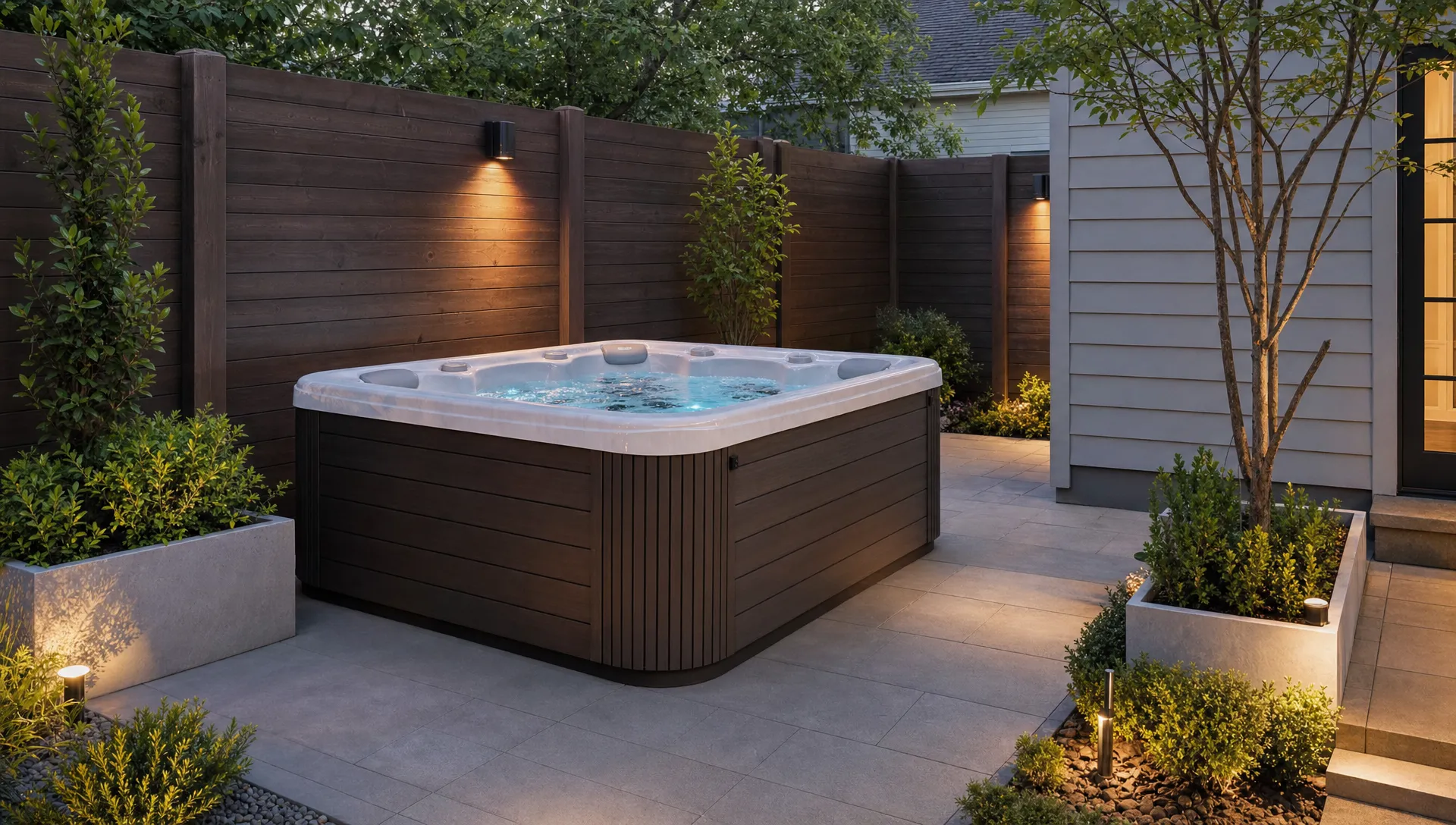
A corner layout is often the most space-efficient. Place the spa near a fence or privacy screen, leaving the equipment side accessible. Add steps on the open side and keep the path from the house clear.
A side-yard layout can also work if the area is wide enough for the spa, steps and service clearance. This is especially useful when the main backyard is reserved for dining, pets or children’s play areas.
On a patio, the tub can become the main focal point. In that case, align it with existing hardscape lines and avoid blocking doors, grills or outdoor furniture. If you have a pergola or shade structure, verify overhead clearance and ventilation.
Check the Total Ownership Picture Before You Buy
The sticker price is only one part of the decision. A small spa can still involve delivery, site preparation, electrical work, accessories, water care supplies and routine maintenance. Comparing the total ownership picture helps prevent surprises.
| Cost or planning item | Why it matters |
|---|---|
| Site preparation | The spa needs a level, stable base before delivery |
| Electrical work | Some models require dedicated wiring by a licensed electrician |
| Delivery access | Tight yards may require extra planning before the spa arrives |
| Steps and cover lifter | These can affect both budget and required clearance |
| Water care supplies | Sanitizer, test strips and filters are part of regular ownership |
| Energy use | Insulation, cover quality and climate influence operating costs |
This is where a reputable retailer matters. Clear specifications, delivery information and support can make the buying process easier, especially when space is limited and every dimension matters.
Avoid These Common Small-Space Hot Tub Mistakes
The most common mistake is buying for capacity instead of comfort. A four-person model is not automatically better than a two-person spa if the larger tub leaves no room to walk, open the cover or service the equipment.
Another mistake is placing the tub too far from the house. A scenic corner may look appealing, but if the path is dark, slippery or inconvenient, you may use the spa less often. Short, safe access from the back door is often more valuable than a dramatic placement.
Buyers also underestimate privacy. A compact hot tub may fit physically, but it should also feel relaxing to use. Think about sightlines from neighboring windows, streets and second-story views. Fencing, planters, screens or a pergola can help, but they must not block service access.
Finally, do not forget drainage. Water changes are part of ownership, and the water needs somewhere appropriate to go. Check local rules and plan ahead so routine care does not become a problem.
Quick Buyer Checklist
Use this checklist before choosing a model:
- Measure the spa area, walking paths, gate access and overhead clearance
- Confirm the foundation can support the filled spa and occupants
- Decide whether two seats, three seats or four seats best matches real use
- Compare interior comfort, not just exterior dimensions
- Leave room for steps, cover movement and service panels
- Verify electrical requirements before delivery
- Plan privacy, lighting and safe entry from the house
- Review maintenance access and water care storage
If a model passes each of these checks, it is much more likely to feel like a smart long-term fit rather than a tight squeeze.
Frequently Asked Questions
What size hot tub is best for a small backyard? The best size depends on your usable space, clearance needs and seating goals. Many small yards work well with two-person to four-person models, but you should measure for steps, cover movement and service access before choosing.
Can a compact hot tub go on a deck? It may be possible, but the deck must be engineered to support the filled weight of the spa plus occupants. Have a qualified professional evaluate the structure before placing any hot tub on a deck.
Is a 120-volt hot tub better for a small backyard? A 120-volt model may simplify installation in some situations, but performance varies by model. Some buyers prefer 240-volt spas for stronger heating or jet performance. Always compare the specific product requirements and consult a licensed electrician.
How much clearance should I leave around a small hot tub? Clearance needs vary by model, especially around equipment panels and cover lifters. Check the manufacturer’s guidance, then leave enough room for safe entry, cleaning and future service.
Should I choose a lounge seat in a compact hot tub? A lounge seat can be very comfortable for one or two users, but it may reduce flexible seating in a small shell. If multiple people will use the spa often, upright seating or an open bench layout may be more practical.
Bring Your Small Backyard Spa Plan Together
Choosing a compact hot tub is about more than finding the smallest shell. The right model fits your yard, supports the way you relax, allows safe access and remains easy to maintain after the excitement of installation fades.
Start with honest measurements, then compare seating, foundation needs, electrical requirements, maintenance access and weather exposure. When those pieces line up, even a modest patio or side yard can become a comfortable home wellness space.
Hearthside Supply helps homeowners compare premium home wellness products with clear specifications, secure checkout, nationwide delivery options and expert support, so you can choose a spa that fits your space and your routine.
Ready to invest in your home wellness?
Explore our curated selection of premium saunas, hot tubs, cold plunges, steam showers, and swim spas — with clear specifications, nationwide delivery, and secure checkout.
Keep reading
View all posts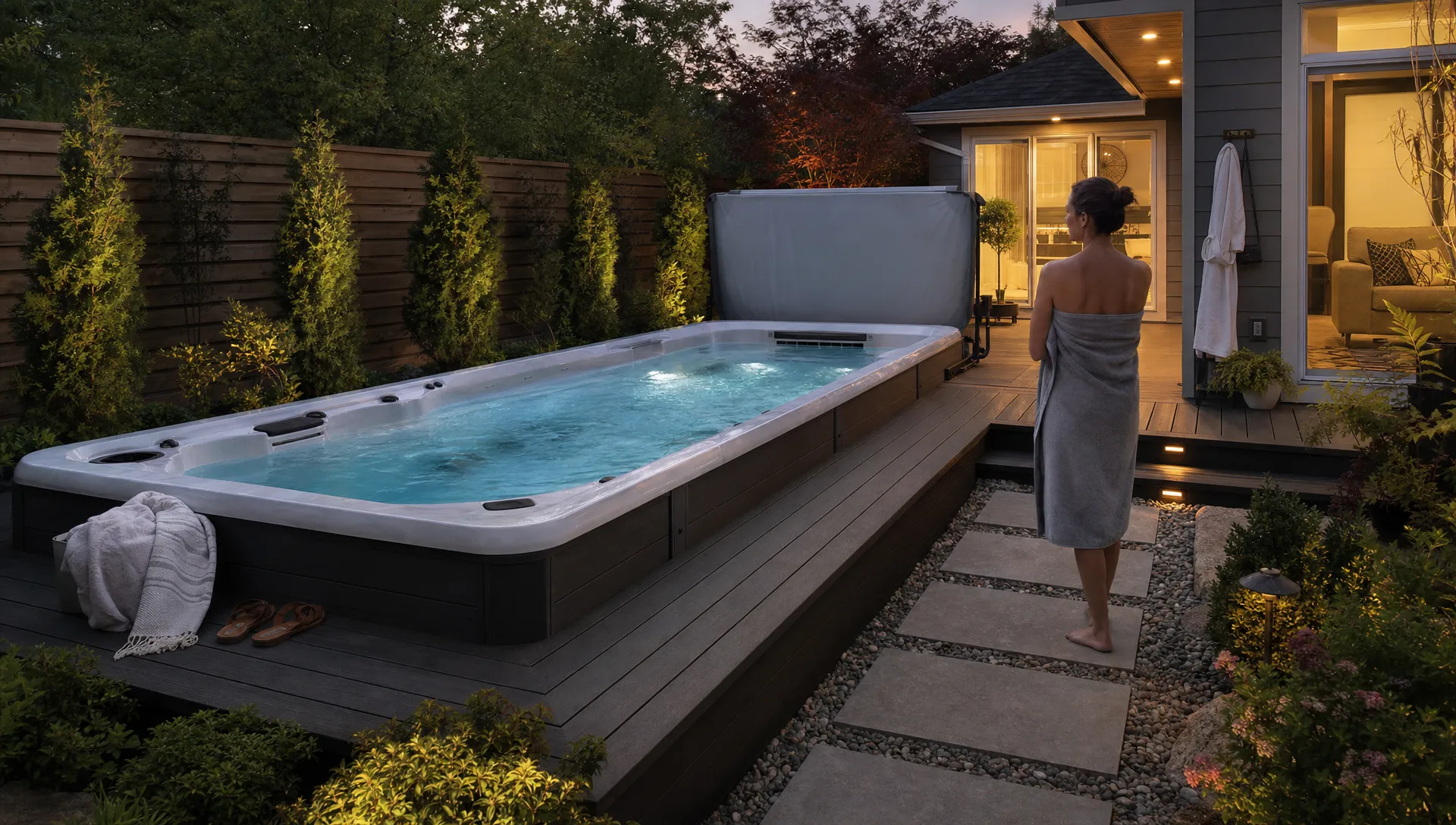 Wellness
Exercise Swim Spa Features for Low-Impact Training
A swim spa can turn a backyard into a compact, low-impact training space. Learn which current, sizing, resistance, safety and maintenance features matter before you buy.
Read article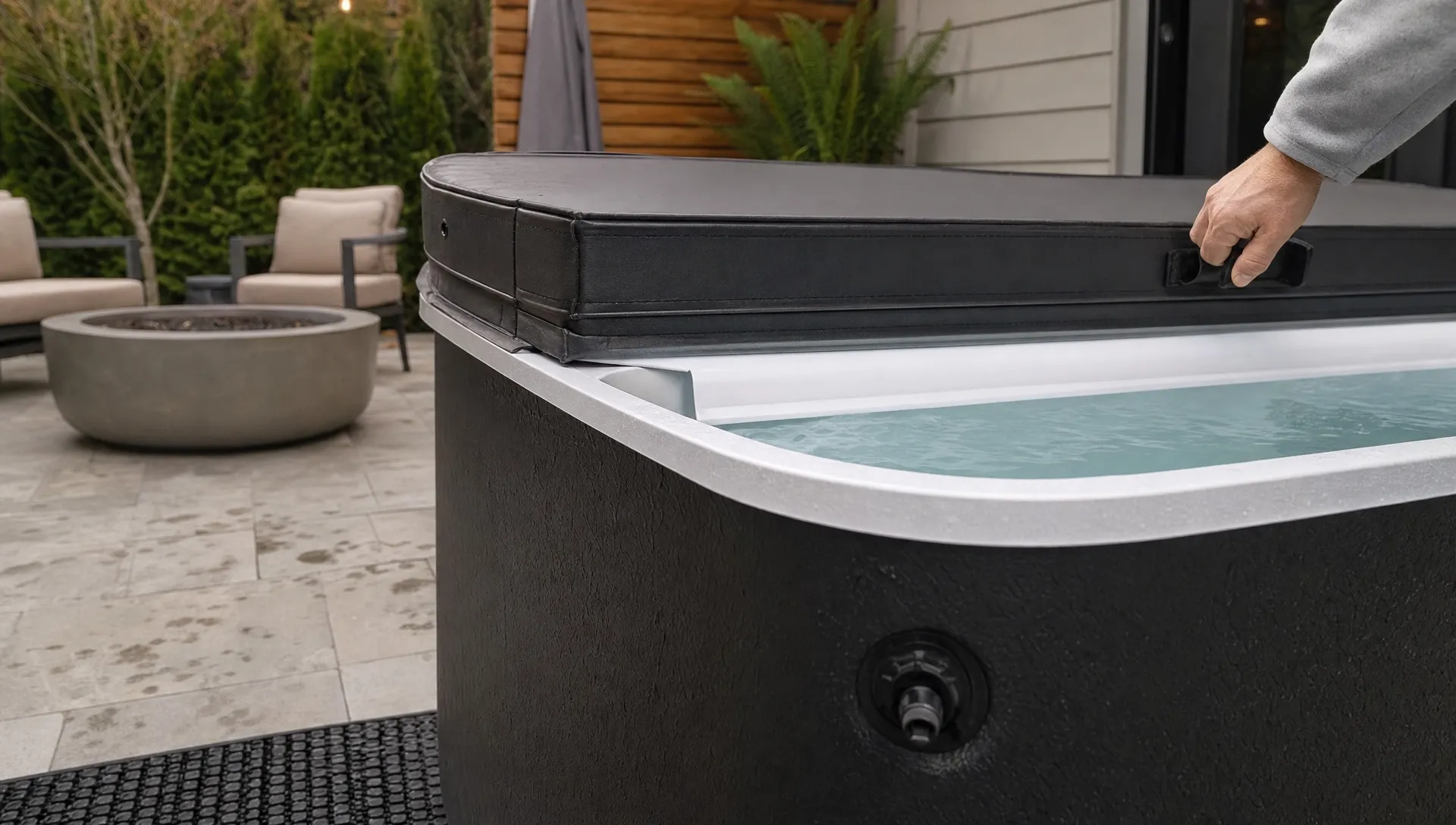 Wellness
Which Cold Therapy Tubs Fit Your Recovery Routine?
The best cold therapy tub is the one that matches how often you recover, where you plan to use it and how much upkeep you want. Use this guide to compare tub styles, setup needs and contrast options before buying.
Read article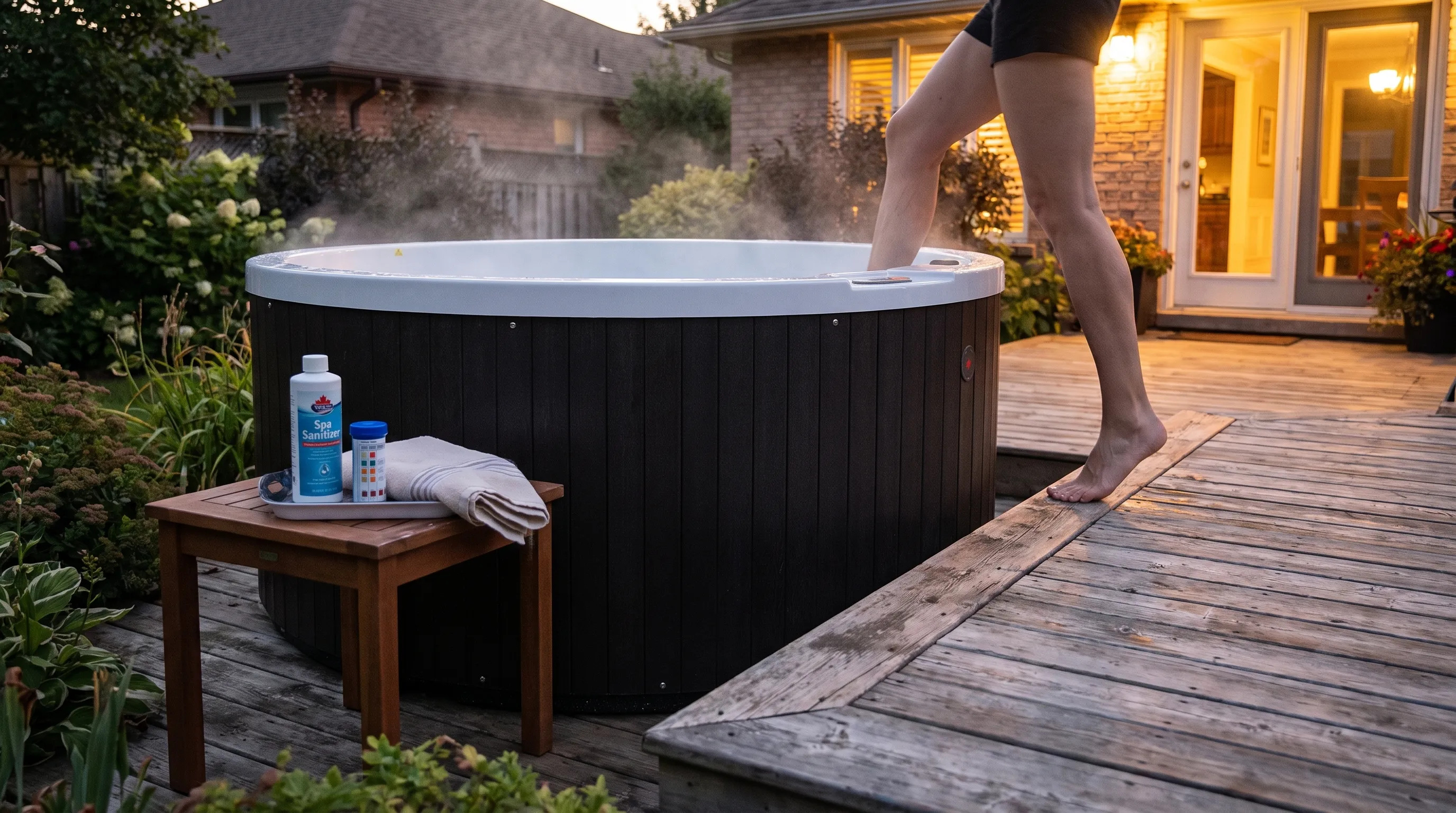 Wellness
How to Choose a Hot Tub Sanitizer for Clear Water
Clear hot tub water starts with choosing the right sanitizer for your spa, usage habits, and maintenance style. This guide compares chlorine, bromine, mineral systems, saltwater options, and practical buying tips for easier water care.
Read article