
Acrylic Hot Tubs vs Other Shell Materials
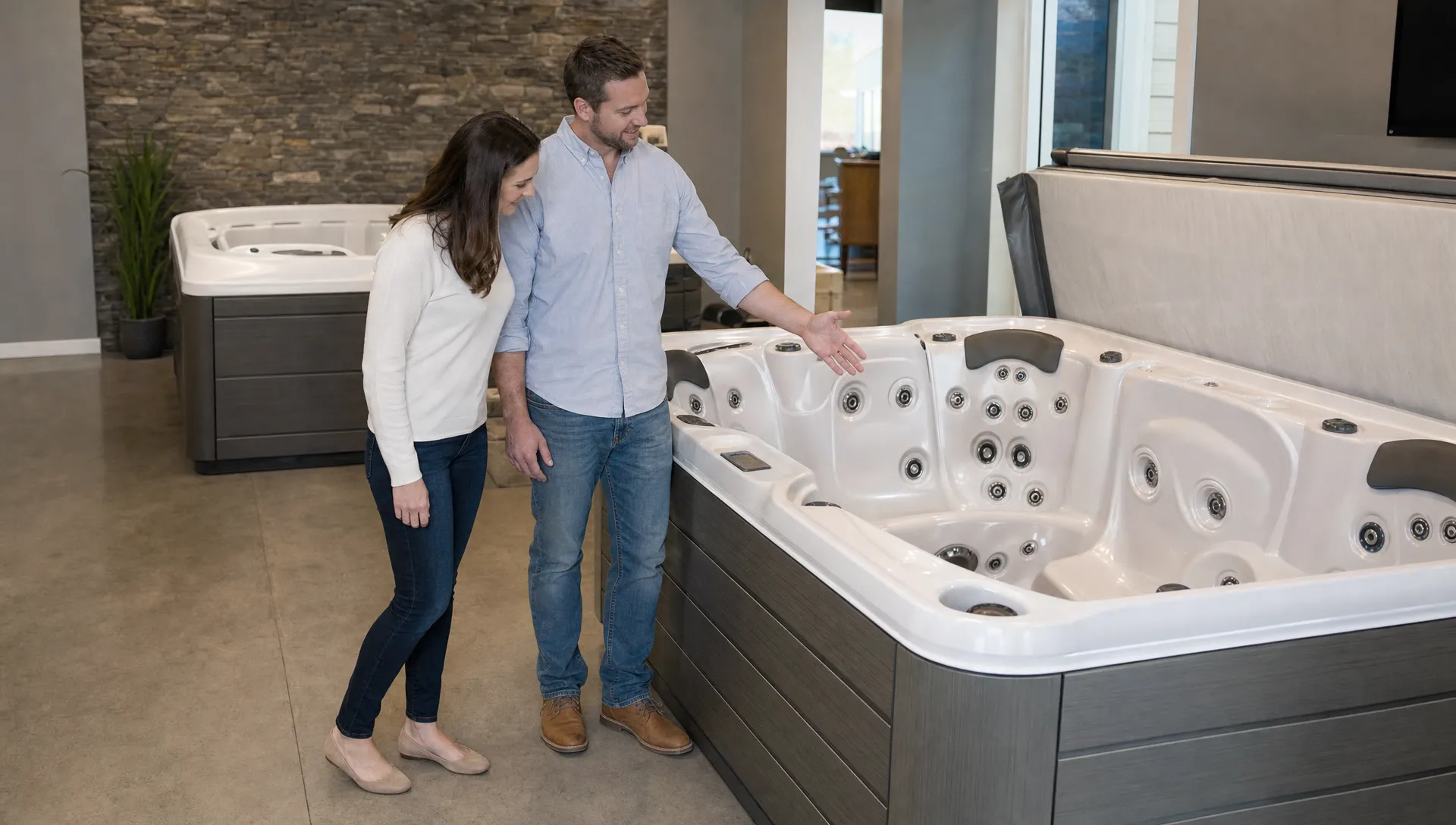
Acrylic Hot Tubs vs Other Shell Materials — Wellness
Shell material affects more than appearance, but it does not tell the whole story about spa quality. Compare comfort, durability, maintenance and ownership costs to choose a hot tub that fits your home and budget.
An acrylic hot tub is often a strong choice for homeowners who want contoured seating, a polished finish and an integrated jet layout. But acrylic is not automatically the best shell material for every budget or backyard. Rotomolded plastic, fiberglass, inflatable materials and wood each serve different priorities, and the quality of the complete spa matters more than the surface alone.
This guide compares those materials through a buyer’s lens: comfort, durability, cleaning, repairability and ownership costs. The goal is to help you decide what is worth paying for and what to verify before ordering.
How an acrylic hot tub shell is built
In many rigid spas, a heated acrylic sheet is formed into the seating and footwell shape, then supported by a backing system. That backing may include fiberglass reinforcement or another structural construction, depending on the manufacturer.
Acrylic describes the water-contact surface, not the entire spa structure. The frame, shell support, cabinet, insulation and foundation all contribute to how the finished product performs.
This distinction also explains a common source of confusion: a spa advertised as having fiberglass reinforcement may still have an acrylic interior. By contrast, a fiberglass shell with a gelcoat finish uses a different water-contact surface.
Some shells also use layered acrylic and ABS construction. Rather than treating one material label as proof of quality, ask the seller to identify the surface material, reinforcement and support system separately.
A well-finished surface is valuable, but it cannot compensate for inadequate support, inaccessible plumbing or poorly designed seating.
Hot tub shell materials compared
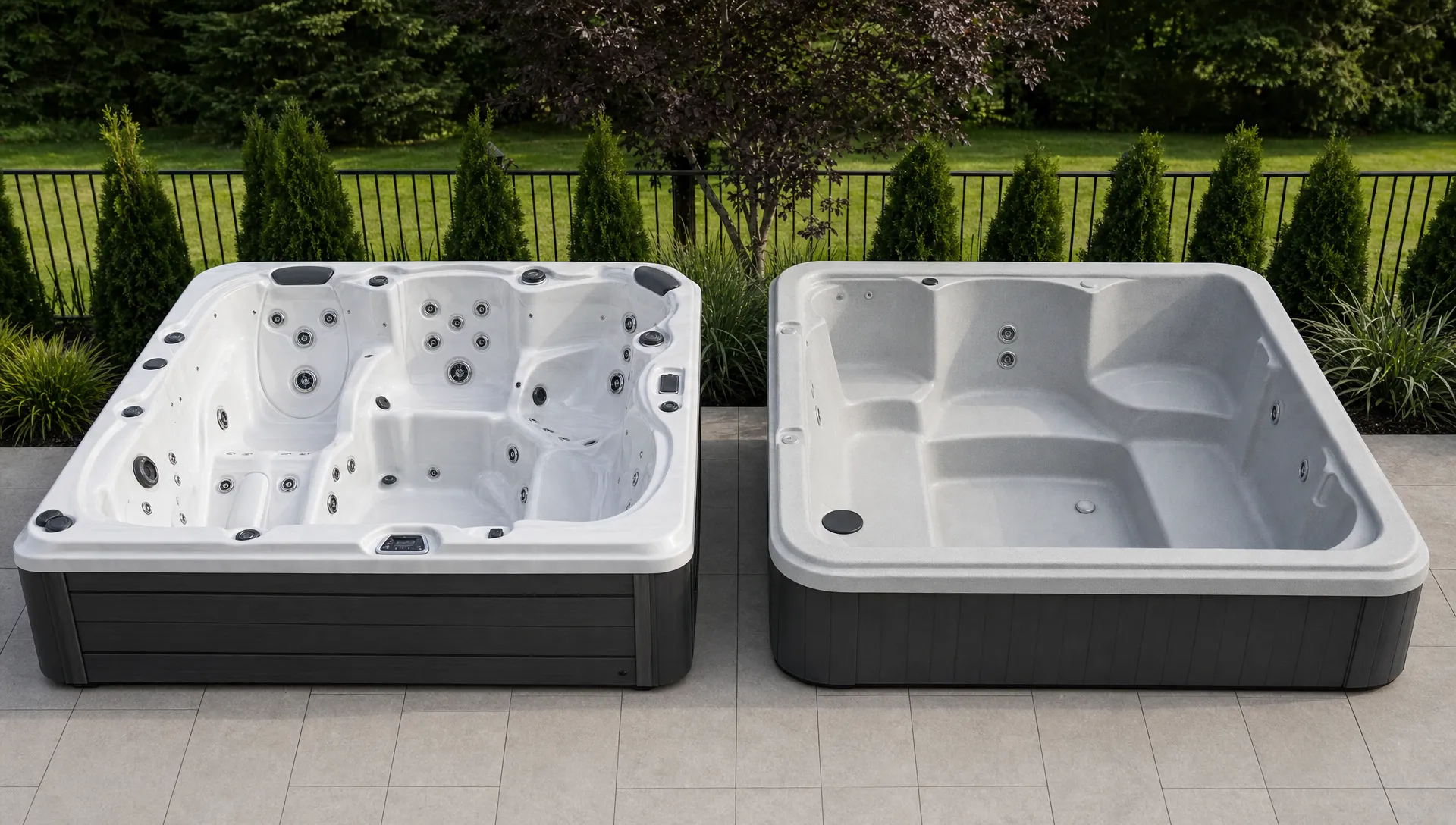
Compared with other materials, an acrylic hot tub generally offers a broad combination of molded seating, finish choices and integrated hydrotherapy features. Its biggest trade-off is that it often costs more upfront than entry-level inflatable or rotomolded alternatives.
These are typical tendencies, not guarantees for every model:
| Shell material | Main appeal | Main trade-off | Best fit |
|---|---|---|---|
| Reinforced acrylic | Smooth finish, contoured seating and varied layouts | Often a higher initial purchase price | A permanent backyard spa with comfort-focused seating |
| Rotomolded polyethylene | Practical construction and commonly lower-cost options | Seating and finish choices may be simpler | Value-focused buyers seeking a rigid spa |
| Fiberglass with gelcoat | Molded shapes with a finished composite surface | Finish quality and repair support require close evaluation | Buyers comparing a specific fiberglass design |
| Inflatable PVC or similar flexible materials | Lower entry cost and easier storage when empty | Puncture exposure and limited seating structure | Occasional or seasonal use |
| Wood | Traditional appearance and simple soaking layouts | Wood-specific upkeep and construction considerations | Buyers prioritizing a rustic soaking experience |
| Stainless steel | Distinctive appearance and custom design possibilities | Fabrication, corrosion resistance and insulation need scrutiny | Specialized or custom installations |
The table is a starting point. Compare complete products with similar seating capacity, equipment and installation requirements before deciding that one material represents better value.
What changes in everyday ownership
Seating comfort and interior layout
Acrylic can be formed into bucket seats, loungers, footwells and other contours. That gives manufacturers considerable freedom to position jets around specific seating locations.
However, deeper contours are not always more comfortable. A lounger that fits one person well may leave another floating out of position. Seat depth, legroom and the distance between occupants matter more than a dramatic-looking interior.
Rotomolded and fiberglass designs can also offer molded seating. Inflatable tubs usually provide a less structured sitting experience, while many traditional wooden tubs use bench-style seating rather than sculpted loungers.
If possible, sit in the model before buying. When shopping online, request interior dimensions and clear photos of the seating area rather than relying only on the stated person count.
Durability and repairability
The durability of an acrylic hot tub depends on its reinforcement, support and care as well as the acrylic surface itself. Scratches, chemical damage and structural cracks are different problems and should not be treated as interchangeable.
Some superficial acrylic damage can be professionally refinished. A deeper crack may require assessment of the backing and the cause of the failure, especially if movement or inadequate support is involved. Cosmetic repair alone will not correct a structural issue.
Rotomolded polyethylene is generally resilient in everyday handling, but it is not immune to deformation or damage. Gelcoat surfaces can chip or crack, while flexible inflatable materials introduce punctures and seam problems as different failure modes.
Ask who performs repairs locally and whether replacement parts or approved repair methods are available. Repair support can matter more than a broad claim that a shell is “durable.”
Cleaning and water chemistry
A smooth acrylic surface is straightforward to wipe down with products approved by the manufacturer. Avoid abrasive pads, harsh solvents and household cleaners unless the care instructions specifically allow them.
No shell material eliminates water maintenance. Sanitizer levels, pH, filtration and periodic draining still need attention, and unsuitable water chemistry can affect surfaces, seals and equipment.
Fiberglass and flexible materials have their own cleaning restrictions. Wooden tubs may require different treatment depending on whether they are lined, how they are constructed and what sanitation system the manufacturer permits.
Before choosing a model, compare its care instructions with your willingness to maintain it. Hearthside Supply’s guide to choosing a hot tub sanitizer explains the water-care side of ownership, which remains important regardless of shell material.
Heat retention and operating costs
Choosing an acrylic hot tub does not, by itself, establish how much electricity it will use. Heat retention depends heavily on the cover, insulation design, plumbing layout, ambient conditions and how you operate the spa.
A thick-looking shell is not a substitute for a well-insulated system. Likewise, two products with the same surface material can have substantially different construction beneath that surface.
Ask for model-specific energy information where available. Check what conditions were used to produce any operating-cost estimate, including climate, water temperature and electricity rate.
For year-round use, evaluate cover fit, insulation coverage and service access together. A design that reduces heat loss still needs to allow practical inspection and repair of equipment.
Which material fits your buying priorities?
Choose acrylic for a permanent, comfort-focused installation
Acrylic is a sensible starting point when you want a finished backyard spa with varied seat shapes, integrated jets and coordinated surface colors. It is particularly worth comparing when several household members need different seating positions.
The extra cost should buy features you will actually use. A comfortable seat, accessible controls and a well-supported shell are more valuable than an elaborate interior that does not suit your body or routine.
For regular use, an acrylic hot tub can justify a higher purchase price when the complete model also meets your expectations for insulation, serviceability and construction. The material label alone is not sufficient justification.
Choose rotomolded or inflatable construction for different budgets
Rotomolded models are worth considering when you want a rigid spa but place greater emphasis on upfront value than finish variety. Compare actual seat shapes and equipment rather than assuming every model in this category is basic.
An inflatable model can suit occasional use or a homeowner who wants to try hot tub ownership before committing to a permanent installation. It brings different compromises in seating, weather suitability and resistance to physical damage.
Portability also needs careful interpretation. A spa that is easier to move when empty still needs a suitable support surface, a safe electrical arrangement and compliance with its installation instructions.
Choose wood or metal for a specific design goal
Wooden tubs can make sense when the traditional soaking experience and appearance are the main priorities. Confirm whether the design is lined or unlined and understand its cleaning and water-care requirements before purchase.
Stainless steel is a more specialized option. Grade, fabrication quality, water chemistry compatibility and insulation deserve close attention. Neither wood nor metal should be selected solely because it sounds more natural or more premium.
Compare total cost, not just the shell price
A lower purchase price can be attractive, but the shell material is only one part of the budget. Delivery access, site preparation, electrical work, the cover, consumables and eventual service all affect the total cost of ownership.
When comparing an acrylic hot tub with another shell type, request quotes for complete, similarly equipped products. Differences in pumps, controls, insulation or included accessories can explain more of the price gap than the surface material.
Separate one-time installation costs from ongoing expenses. A less expensive spa does not necessarily need less preparation, and a premium surface does not guarantee lower operating costs.
Warranty terms also deserve a closer look. Check whether the manufacturer distinguishes structural shell coverage from surface coverage, then review exclusions and the process for obtaining service. Do not assume every component has the same protection.
Finally, consider how long you expect to use the spa in its current location. Permanent installation priorities differ from those of a buyer planning seasonal use or a future move.
What to verify before buying online
Product photography can show the finish, but it rarely answers every construction question. Before placing an order, obtain the installation manual and ask for clarification wherever the listing is incomplete.
Use these questions to compare your shortlist:
- Shell construction: What material contacts the water, what reinforces it and how is it supported?
- Seating fit: What are the seat depths, footwell dimensions and usable seating positions?
- Installation requirements: What foundation, access clearance and electrical setup does this model require?
- Maintenance access: How can a technician reach pumps, controls and plumbing connections?
- Coverage and repairs: What do the written warranty terms cover, and how are local repairs arranged?
An acrylic hot tub listing should make it possible to distinguish appearance from construction. If the seller cannot explain those details, keep comparing rather than filling the gaps with assumptions.
Also check the dimensions of the entire unit, not just its seating capacity. Hearthside Supply’s guide to matching hot tub options to your space and lifestyle can help you evaluate the footprint alongside your household’s needs.
For delivery, confirm the agreed drop-off arrangement and who is responsible for moving the spa into its final position. Shell material does not tell you whether special handling equipment will be necessary.
Does this comparison also apply to swim spas?
Many of the same questions apply to swim spas, but their larger footprint makes foundation planning, access and service clearance especially important. Compare the complete structure and support requirements rather than extrapolating from a smaller hot tub.
If your shortlist includes an acrylic hot tub and a swim spa, decide whether you primarily want seated relaxation or a larger space designed for aquatic activity. Those are different buying goals, even when the products share some construction methods.
For larger-format options, Hearthside Supply lists the Canadian Spa St. Lawrence 13ft 12-Person 39-Jet Swim Spa and the Canadian Spa St. Lawrence 16ft 15-Person 72-Jet Swim Spa. These are relevant comparisons if your needs extend beyond a conventional seated spa.
For either model, verify shell composition, installed dimensions, filled weight and electrical requirements directly in the product documentation. The capacity and jet counts in a product name do not establish seating comfort, shell quality or installation suitability.
Frequently asked questions
Is acrylic better than rotomolded plastic for a hot tub? Acrylic often offers more finish choices and sculpted seating layouts. Rotomolded plastic can be a practical value option. The better choice depends on the complete model’s comfort, support, insulation and serviceability.
Is an acrylic hot tub the same as a fiberglass hot tub? Not necessarily. An acrylic surface may have fiberglass reinforcement behind it. A fiberglass shell with a gelcoat surface is a different construction, so ask which material contacts the water.
Can an acrylic shell be repaired? Some scratches and surface damage can be professionally repaired. Structural cracking requires a more detailed assessment, and repair suitability depends on the damage, construction and manufacturer’s guidance.
Does acrylic keep water warmer than other materials? Shell material alone is not a reliable measure of heat retention. Cover quality, insulation, plumbing and operating conditions are more useful factors when comparing energy performance.
Which shell material needs the least maintenance? All hot tubs require water care and equipment upkeep. Smooth rigid surfaces can be convenient to clean, but the approved cleaning products and maintenance routine vary by model.
Choose the complete spa, not just the surface
For a permanent backyard installation, an acrylic hot tub is often worth shortlisting for its seating options and finished appearance. Rotomolded, inflatable, wooden and specialized metal designs remain valid choices when they better match your budget or intended use.
Start with comfort and placement, then verify construction, care requirements and total installed cost. When you browse home wellness products at Hearthside Supply, use those criteria to compare the actual models and request any missing documentation before you buy.
Ready to invest in your home wellness?
Explore our curated selection of premium saunas, hot tubs, cold plunges, steam showers, and swim spas — with clear specifications, nationwide delivery, and secure checkout.
Keep reading
View all posts
 Wellness
Steam Showers for Skin Health: The Ultimate Maintenance Guide
Discover how steam showers support skin health and learn the essential maintenance steps to keep your home spa functioning at peak performance.
Read article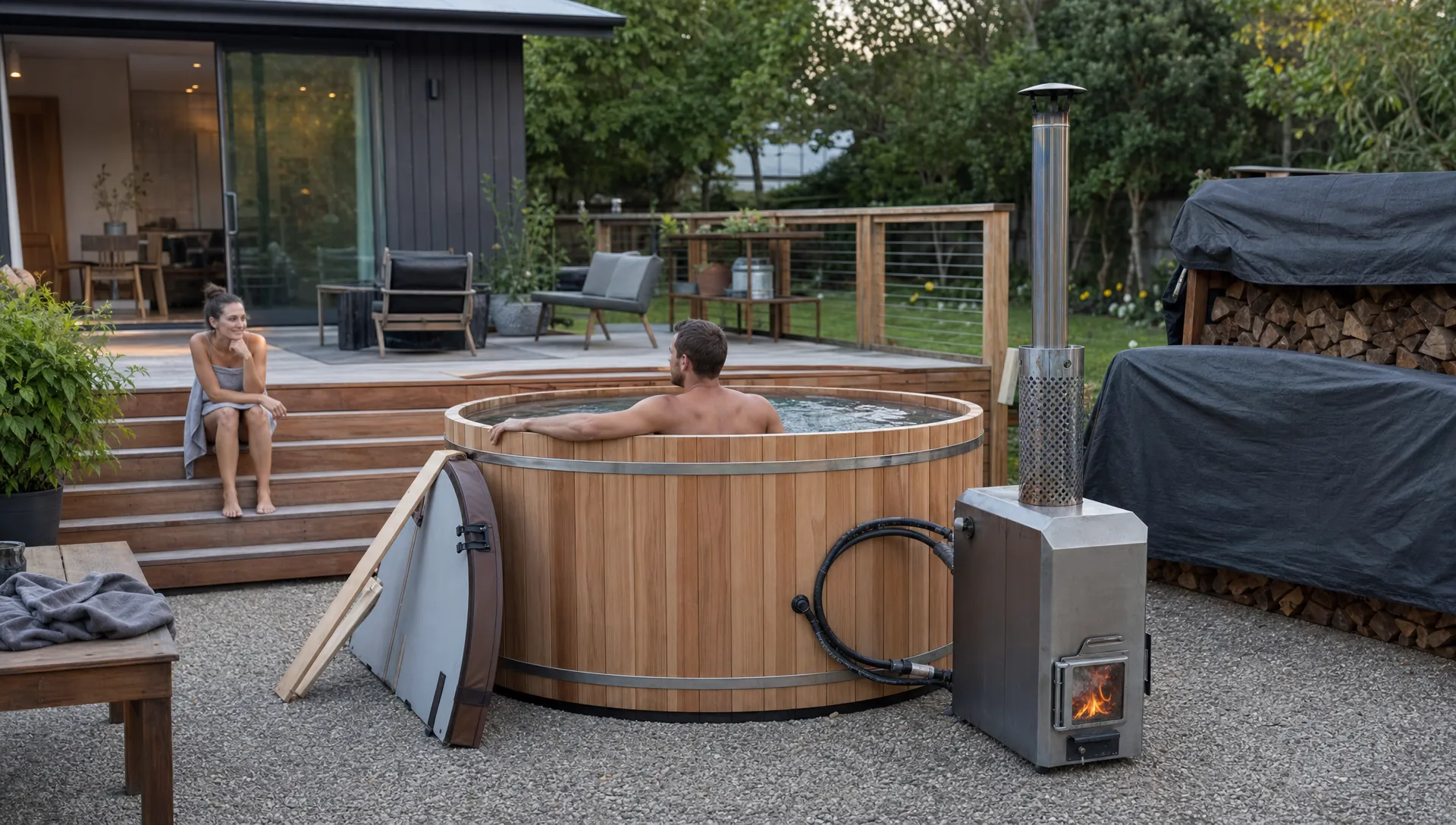 Wellness
Are Wood Burning Hot Tubs Right for Your Backyard?
A wood-fired soak offers a different experience from an always-ready electric spa. Learn how heating time, smoke, sanitation and winter care affect whether it fits your backyard and routine.
Read article
 Wellness
Cold Plunge Therapy: The 2026 Wellness Trend Explained
Discover why cold plunge therapy is the defining 2026 wellness trend. Learn the benefits, safety tips, and how to choose the right gear for your home recovery.
Read article