
Hot Tub Options That Match Your Space and Lifestyle
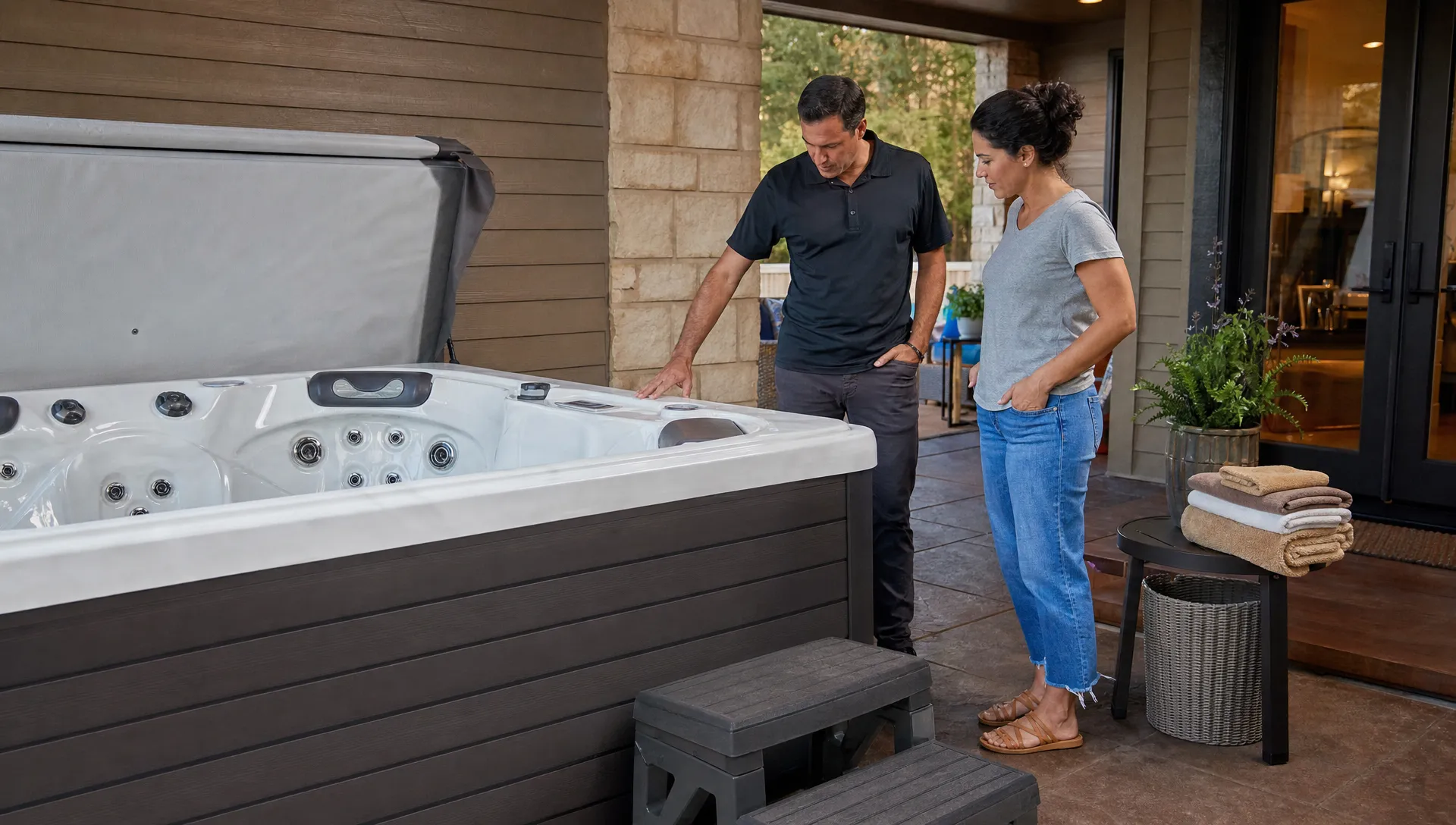
Hot Tub Options That Match Your Space and Lifestyle — Wellness
Choosing a spa is easier when you match it to how you live, not just how it looks. This guide compares compact tubs, family spas and swim spas so you can plan space, comfort, installation and care with confidence.
Choosing the right spa starts with matching the experience you want to the space you actually have. The best hot tub options are not always the largest or most feature packed, they are the models that fit your layout, seating needs, recovery habits and maintenance comfort level without making your home feel crowded or complicated.
For some homeowners, that means a compact spa tucked into a small patio. For others, it may be a larger family hot tub, an indoor installation or a swim spa that can handle both soaking and low-impact movement. The goal is to narrow the field before you shop, so each model you compare has a clear purpose.
Start With Your Space, Then Compare Hot Tub Options
Before looking at jets, lighting, seating or accessories, measure the area where the spa might go. A hot tub needs more than its exterior footprint. You also need room for steps, cover clearance, safe walking paths and service access around key equipment areas.
As you compare hot tub options, think in terms of total usable space rather than the spa’s shell size alone. A tub that technically fits may still feel awkward if the cover blocks a door, guests have to squeeze around furniture or maintenance panels are hard to reach.
For outdoor installations, check the path from the delivery point to the final location. Gates, stairs, tight turns, low branches and narrow side yards can all affect what size spa makes sense. For indoor installations, ventilation, drainage, flooring and access become even more important.
If you are working with a smaller patio or townhouse yard, Hearthside Supply’s guide to choosing a compact hot tub for a small backyard is a helpful next read before you commit to a footprint.
Match Seating Capacity to Real Life
Hot tub capacity can be misleading if you only look at the maximum number of people a model can hold. A spa advertised for five or six people may feel spacious for four adults but tight at full capacity, especially if the layout includes lounges or molded therapy seats.
The most practical approach is to picture your normal use, not your rarest use. If you mostly want quiet evening soaks for two, a smaller tub with comfortable seating may be better than a larger model that costs more to fill, heat and maintain. If you host often or have a family that will use the spa together, a larger format can make more sense.
When comparing hot tub options, ask how often the spa will be used by one person, two people, the whole household or guests. That single question can eliminate models that are either too cramped or larger than you need.
| Lifestyle need | Spa style to consider | Why it fits |
|---|---|---|
| Couples or solo relaxation | 2 to 3 person compact spa | Easier to place in small yards and patios |
| Small family use | 4 to 5 person spa | Balances comfort, footprint and shared seating |
| Frequent entertaining | 6 plus person spa | Offers more room for guests and social soaking |
| Fitness plus soaking | Swim spa | Adds space for movement and group use |
| Year-round indoor comfort | Indoor hot tub or steam shower alternative | Keeps the wellness routine protected from weather |
Choose the Right Seat Layout
Seat layout affects daily comfort more than many buyers expect. Lounge seats let you recline with more leg support, which many people enjoy for relaxation. Bench or upright seats often make better use of space and can feel more natural for conversation.
A spa with multiple seating depths may suit households with different heights. Deeper seats can feel more immersive, while shallower seats may be easier for some users to enter, exit and enjoy for longer sessions. If children or older adults will use the spa, entry height, handholds and step placement deserve close attention.
Jets are another part of the layout decision. More jets are not automatically better for every buyer. Placement, adjustability and how the seats support your posture matter just as much as the count. Many shoppers find that a well-planned seat with targeted jets feels better than a crowded layout that looks impressive on paper.
Outdoor, Indoor or Semi-Sheltered Placement
Outdoor hot tubs are popular because they turn a deck, patio or backyard into a relaxation zone. They also make delivery, ventilation and drainage easier in many homes. The tradeoff is exposure to weather, privacy considerations and the need to plan the surrounding space carefully.
Indoor hot tubs can feel luxurious and convenient, but they require more planning. Moisture control, ventilation, waterproof surfaces and safe electrical work are essential. In many homes, a steam shower or sauna may be a better indoor wellness fit than trying to retrofit a full hot tub into an enclosed room.
Semi-sheltered setups, such as a covered patio, pergola or screened area, can offer a strong middle ground. These layouts may help with privacy and comfort while still keeping the spa connected to the outdoors. For a deeper comparison, see Hearthside Supply’s guide to indoor vs outdoor hot tubs.
The right placement can make hot tub options feel completely different in daily use. A spa near the back door may get used several nights a week, while one placed far from the house may become less appealing in cold or rainy weather.
When a Swim Spa Belongs on Your Shortlist
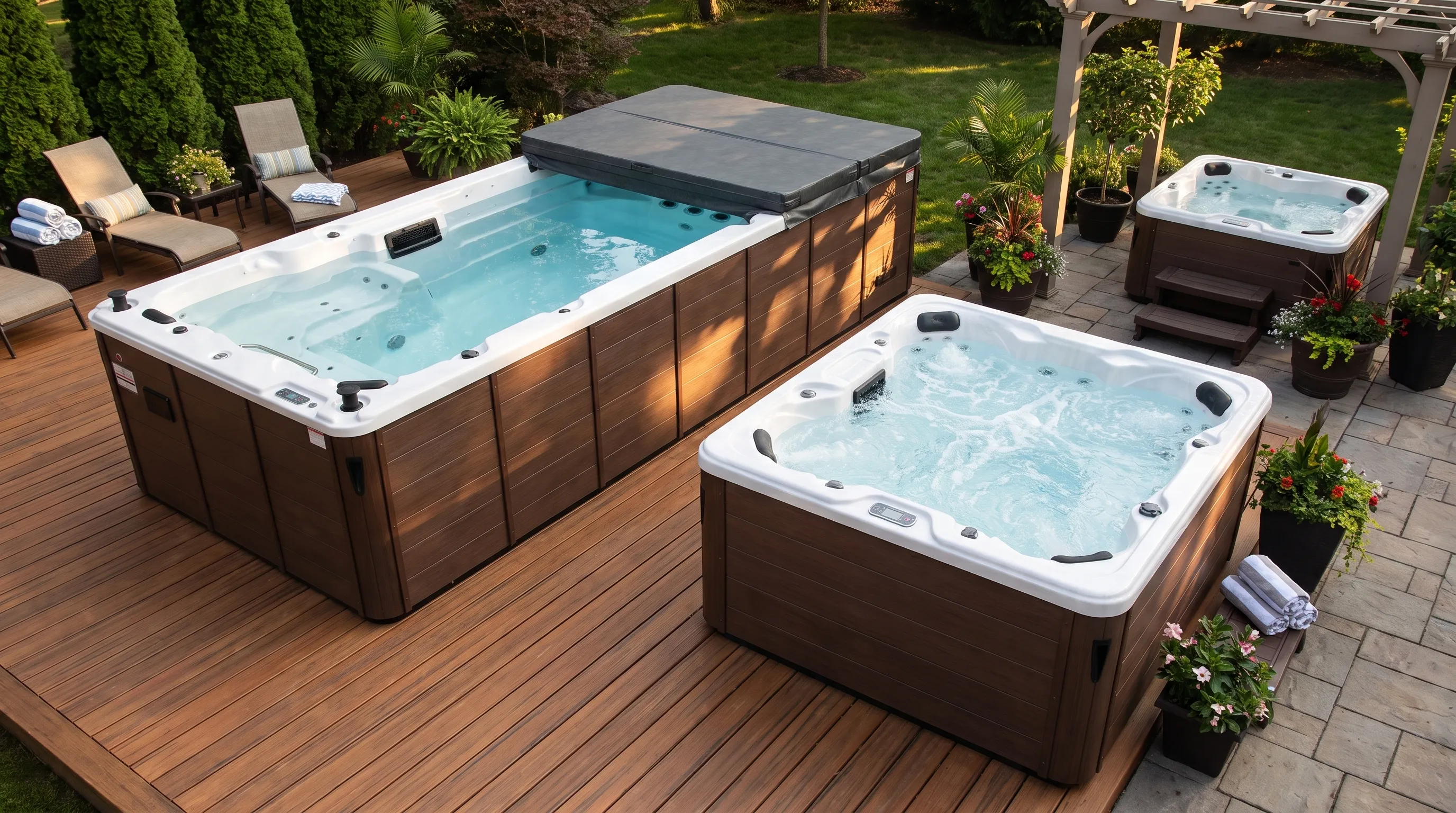
A swim spa is worth considering if you want more than a soaking area. These larger units can support relaxation, social time and low-impact movement in a single backyard wellness setup. They require more space than a traditional hot tub, but they can also offer more versatility for active households.
If your plans include group use and a larger backyard footprint, the Canadian Spa St. Lawrence 13ft 12-Person 39-Jet Swim Spa gives you a 13-foot format to compare against more traditional spa sizes. For shoppers planning a bigger entertainment or wellness zone, the Canadian Spa St. Lawrence 16ft 15-Person 72-Jet Swim Spa offers a larger 16-foot option to evaluate.
These are not small-space substitutes. They are better suited for homeowners who want a more substantial installation and have the room to plan it well. When comparing swim spas with traditional hot tub options, pay close attention to site preparation, access, electrical planning and how the unit will fit into the surrounding patio or landscape.
Think About Installation Before You Fall in Love With a Model
A beautiful spa can become frustrating if the installation requirements are ignored until the end. Hot tubs and swim spas need a stable, level surface that can support the filled weight of the unit plus people. Concrete pads are common, but reinforced decks and other properly engineered surfaces may also work when planned correctly.
Electrical requirements vary by model. Some smaller spas may be designed for simpler setups, while many full-size units require dedicated wiring and professional electrical work. Always follow the manufacturer’s installation requirements and local code. A licensed electrician can help confirm what is needed before delivery day.
When reviewing hot tub options, include installation costs and site work in your decision. The purchase price is only one part of the total project. Delivery access, pad preparation, electrical work, steps, covers, cover lifters and privacy upgrades can all affect the final budget.
Compare Comfort Features Without Overbuying
Premium comfort features can improve the experience, but the right mix depends on how you plan to use the spa. If your priority is evening relaxation, seating ergonomics and quiet operation may matter more than the highest jet count. If multiple users have different preferences, adjustable jets and varied seat styles can make the spa more flexible.
Lighting, waterfalls and sound-related features can create atmosphere, but they should not distract from the fundamentals: comfort, insulation, serviceability and water care. A spa that feels good, is easy to access and fits your routine will usually deliver more value than one chosen mainly for extras.
This is where commercial intent should be practical, not flashy. Make a short list of must-haves, then separate them from nice-to-haves. For example, a family that uses the spa four nights a week may value energy efficiency and easier maintenance over decorative features. A homeowner building a resort-style backyard may prioritize appearance, seating variety and entertaining capacity.
Plan for Maintenance and Water Care
Every hot tub needs regular care. Water chemistry, filter cleaning, cover care and occasional draining are part of ownership. These tasks are manageable for many homeowners, but they should be considered before choosing a model.
Larger spas and swim spas hold more water, which can affect the time and supplies needed for upkeep. Smaller tubs may be simpler to manage, but they still require consistent attention. If you travel often or prefer a low-touch routine, ask what the manufacturer recommends for filtration, sanitation and cleaning frequency before buying.
The best hot tub options are the ones you will maintain consistently. A spa that fits your schedule is more likely to stay clean, comfortable and ready to use. If you are new to ownership, Hearthside Supply’s hot tub maintenance routine for beginners breaks the basics into a simple weekly plan.
Budget for the Whole Ownership Experience
A smart budget includes the spa, installation and ongoing care. It may also include accessories such as steps, handrails, water care products, replacement filters, cover lifters and outdoor lighting around the spa area.
Energy use is another factor to weigh. Climate, insulation, cover quality, water temperature and how often the spa is opened can all affect operating costs. In colder parts of the U.S., a well-fitting cover and thoughtful placement can make a noticeable difference in comfort and efficiency.
Avoid choosing only by the lowest upfront price. A lower-cost spa that does not fit your space or routine may cost more in frustration later. At the same time, the most expensive model is not automatically the right one. The better choice is the spa that aligns with your use pattern, available space and willingness to maintain it.
A Simple Decision Framework
If your short list still feels crowded, compare each model against four basic questions. This keeps the decision grounded in daily life instead of spec-sheet overload.
- Where will it go? Confirm the footprint, delivery path, foundation and service access.
- Who will use it most? Choose seating capacity around normal use, not the biggest party you might host once a year.
- How will it support your routine? Match jets, seating and size to relaxation, recovery, social use or movement.
- Can you maintain it comfortably? Consider water volume, filter care, cover handling and weekly upkeep.
Once you answer those questions, the strongest hot tub options usually become obvious. A compact model may win for convenience. A larger spa may win for family use. A swim spa may win when movement, soaking and entertaining all matter.
Frequently Asked Questions
What size hot tub is best for most homes? Many homeowners do well with a 4 to 6 person hot tub because it balances comfort and space efficiency. Smaller patios may need a 2 to 3 person model, while households that entertain often may prefer a larger spa or swim spa.
Are swim spas better than hot tubs? Swim spas are not better for every buyer, but they can be a better fit when you want more room for movement, group use and a larger backyard wellness feature. Traditional hot tubs are usually easier to place in compact spaces.
Should I choose a lounge seat or all bench seating? Lounge seats are appealing for reclining, while bench seating often creates more flexible social space. The best choice depends on whether you want solo relaxation, conversation seating or a mix of both.
Can a hot tub go indoors? Yes, but indoor installations require careful planning for ventilation, moisture control, drainage, flooring and electrical work. Many buyers find outdoor or semi-sheltered locations easier to manage.
How do I compare hot tub options online? Start with footprint, seating capacity, installation requirements and maintenance needs. Then compare comfort features, jet layout and accessories once you know the model fits your home and lifestyle.
Find the Spa That Fits How You Live
A hot tub should feel like a natural extension of your home, not a project that overwhelms your space or schedule. Start with measurements, choose a seating layout around real use and factor in installation before focusing on upgrades.
Hearthside Supply curates premium saunas, hot tubs, cold plunges, steam showers and swim spas for homeowners building better wellness spaces at home. Browse the Hearthside Supply selection to compare models, review product details and choose a spa that fits your space, lifestyle and long-term routine.
Ready to invest in your home wellness?
Explore our curated selection of premium saunas, hot tubs, cold plunges, steam showers, and swim spas — with clear specifications, nationwide delivery, and secure checkout.
Keep reading
View all posts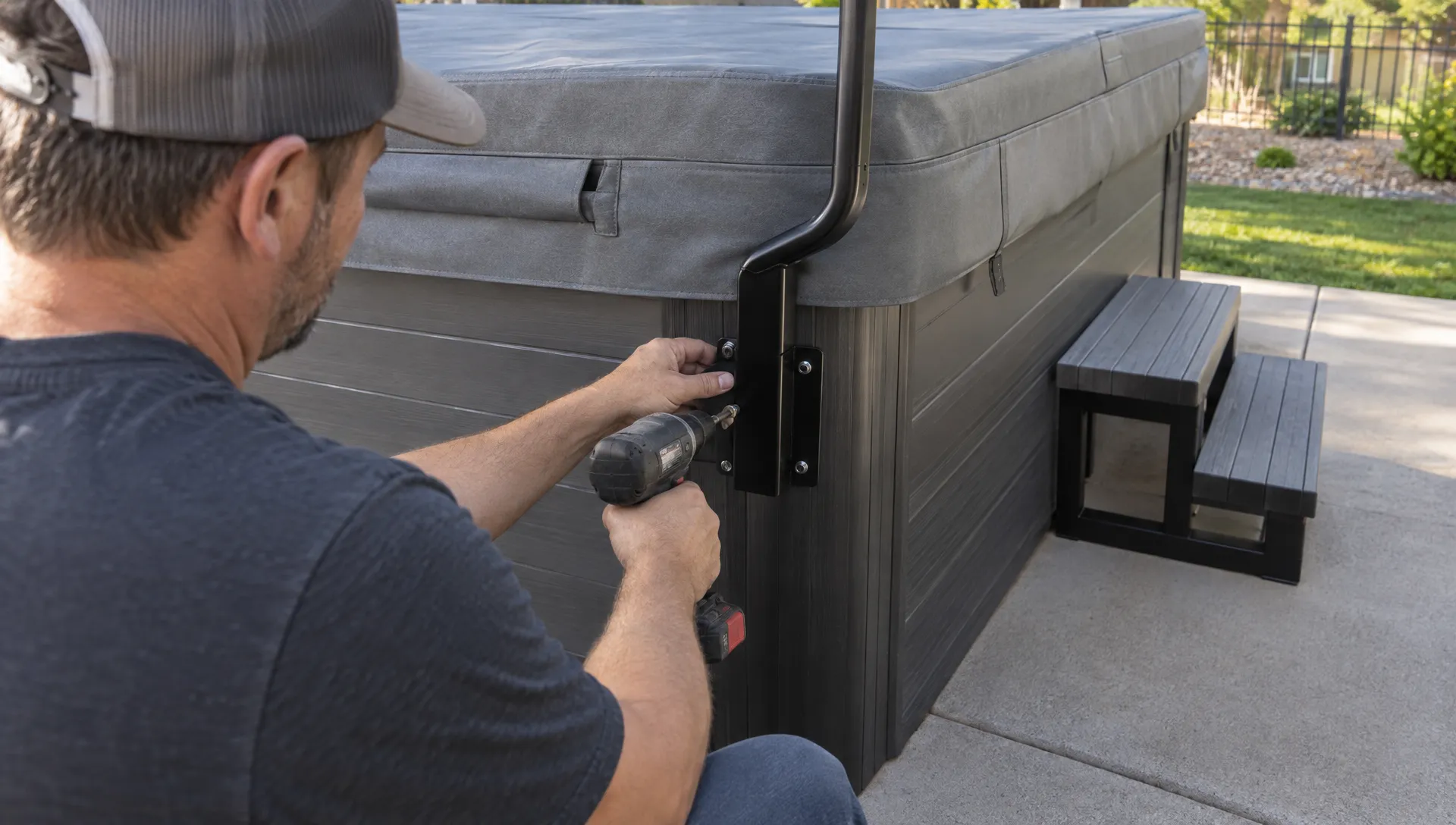 Wellness
Swim Spa Accessories That Improve Everyday Use
The most useful upgrades make your swim spa easier to enter, cover and maintain. Learn which accessories deserve priority, how to check compatibility and which extras can wait until you know your routine.
Read article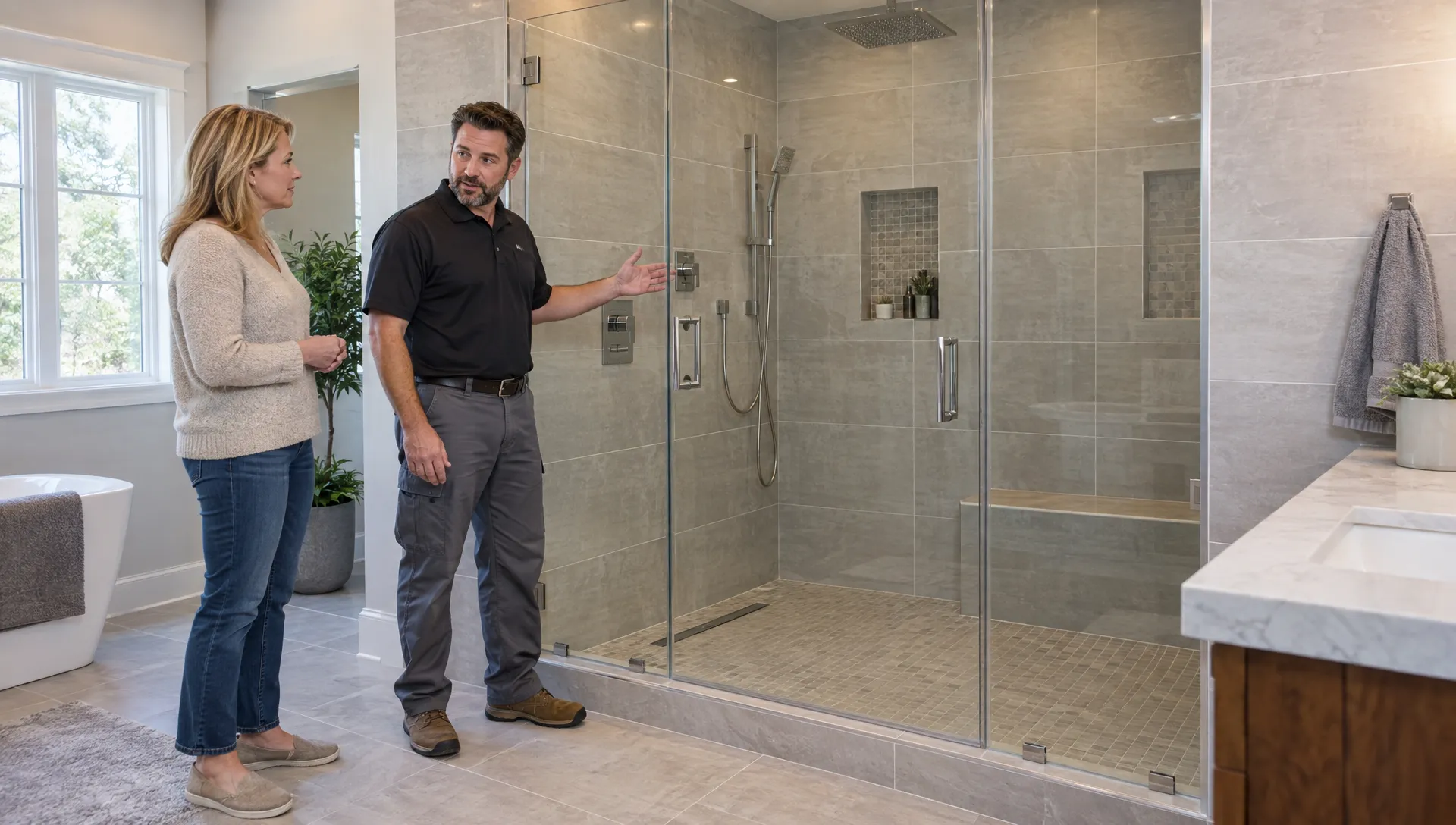 Wellness
How to Find the Right Steam Sauna for Your Home
The right home steam system depends on more than showroom distance. Learn how to check room fit, generator sizing, installation costs and seller support so you can build a shortlist that works for your home.
Read article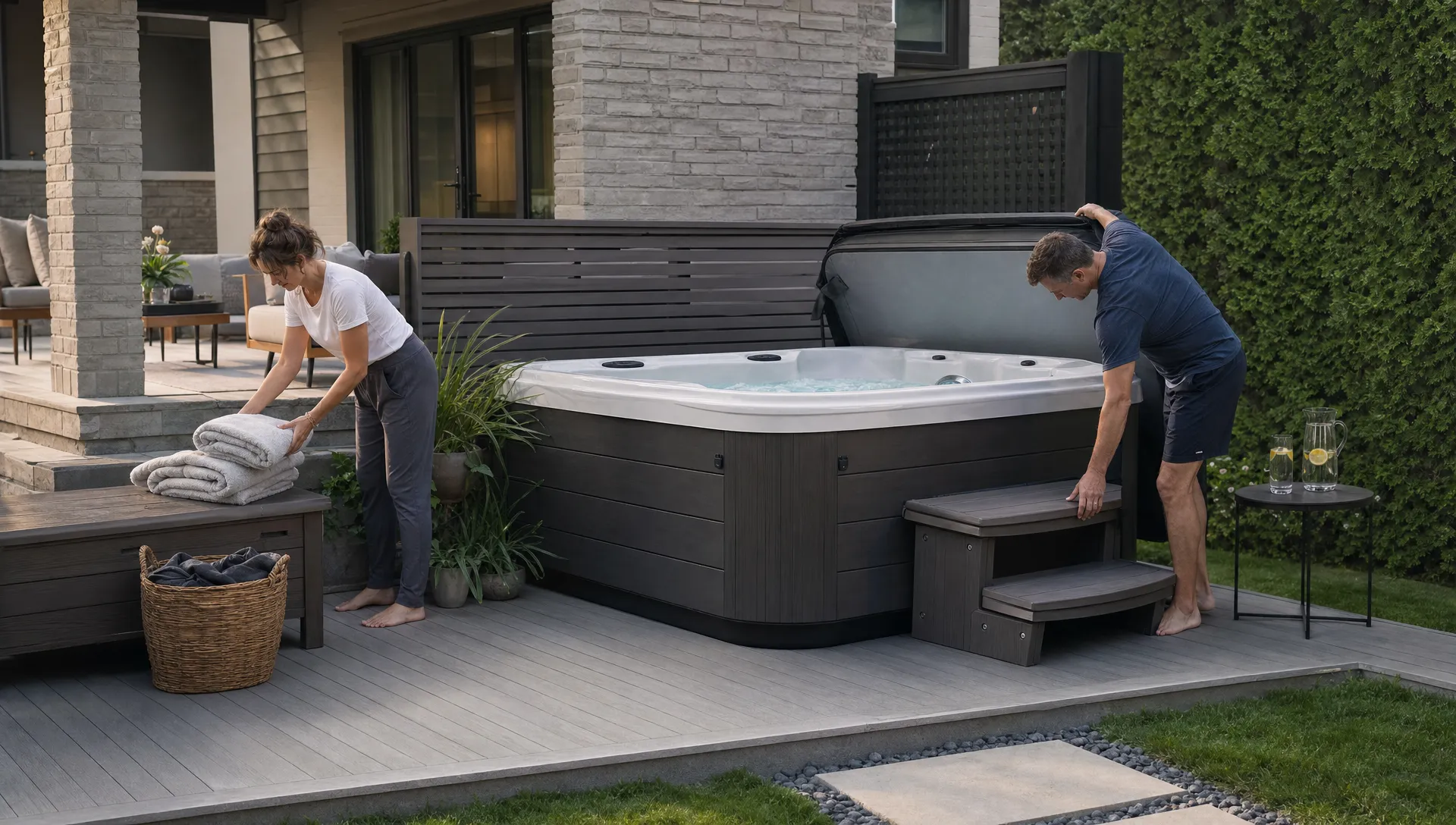 Wellness
Outdoor Jacuzzi Planning Tips for a Polished Backyard
A polished backyard spa starts long before delivery day. Learn how to plan placement, foundation, power, privacy, maintenance access and design details so your hot tub looks intentional and is easier to own.
Read article