
What to Know Before Buying Pre-Owned Hot Tubs
What to Know Before Buying Pre-Owned Hot Tubs — Wellness
A low asking price can hide costly leaks, outdated parts or a difficult move. Use this buyer's checklist to evaluate condition, verify ownership and compare a used hot tub with a new one.
Shopping for pre owned hot tubs can make a backyard upgrade more affordable, but the asking price is only part of the decision. A well-maintained used spa may be worth considering. One with hidden leaks, unavailable replacement parts or freeze damage can turn into an expensive repair project before your first soak.
The safest approach is to evaluate the specific unit, not just its brand or appearance. Verify its history, see it operating with water and calculate what it will cost to move, install and restore.
Before contacting sellers, decide how much uncertainty you can accept. If you need predictable delivery, documented support and fewer condition-related surprises, compare new options alongside used listings. If you are comfortable arranging an independent inspection and budgeting for repairs, a secondhand purchase may fit your plans.
Are pre owned hot tubs worth the savings?
A used hot tub is most attractive when its condition is verifiable, its parts remain available and its total setup cost stays comfortably below a comparable new option. A low price alone does not establish value.
Private sellers and dealers may offer different levels of documentation. A private owner might provide detailed service records but no post-sale support. A dealer may inspect or repair a unit, but you still need written details about what was tested, replaced and covered.
The label “refurbished” does not describe a standardized repair process. Ask whether the work involved cosmetic cleaning, replacement components, leak repairs or a complete operational inspection. Request the actual work order rather than relying on the label.
When comparing pre owned hot tubs, prioritize a documented, working unit over a cheaper spa whose condition remains uncertain. An inspection cannot eliminate every risk, but it can help you avoid buying problems the seller already knows about.
Verify the model, ownership and service history
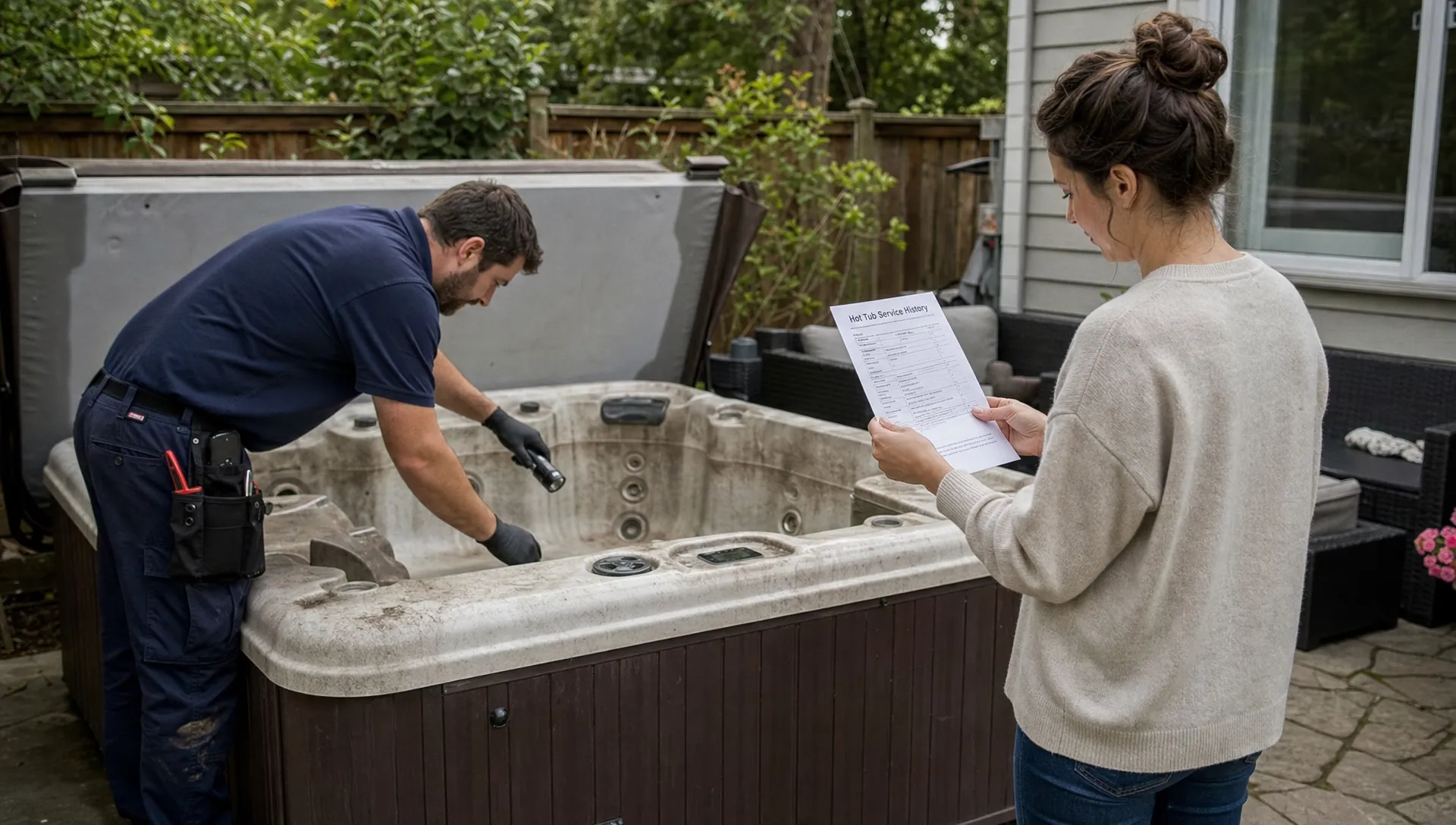
Ask for a clear photograph of the manufacturer's identification label before scheduling a visit. Record the model and serial number, then obtain the matching owner's manual. Confirm the manufacturing year with the manufacturer or an authorized service provider when possible.
The manual helps establish dimensions, electrical requirements, operating instructions and replacement-part references. Do not assume two similar-looking tubs have the same specifications.
Ask the seller these questions:
- Why are you selling? Clarify whether the tub is being replaced, relocated or sold because it no longer works properly.
- When was it last used regularly? Long periods of inactivity deserve additional investigation.
- What repairs have been completed? Request invoices for pumps, heaters, controls, plumbing and shell repairs.
- Has it ever frozen or leaked? Ask how it was winterized and whether any repairs followed.
- What comes with it? Confirm the cover, steps, cover lifter and any other included accessories.
For pre owned hot tubs, a service history is useful evidence, not a substitute for testing. Also confirm that the seller owns the unit and has authority to sell it. If the tub came with a property purchase, clarify its history rather than assuming the current owner knows how it was maintained.
Inspect the structure before testing the equipment
Check the shell, cabinet and accessible plumbing
Inspect the empty shell if possible, then evaluate the spa again when it is filled. Look for cracks, unexplained patches, significant surface deterioration and damage around fittings. A qualified spa technician should assess whether a defect is cosmetic or could affect water containment.
Examine the cabinet and accessible frame for deterioration, sagging or pest activity. Panels should fit securely, and the structure should not appear distorted. Ask the seller to provide safe access to service areas, but leave electrical components untouched.
Damp insulation, water staining or persistent wet areas may indicate a leak. They do not tell you where it originates or what repair will cost. Leaks concealed within insulation can require substantial investigation.
Check the cover's fit, seams, underside and locking straps. Tears, damaged inserts or unusual weight can signal that replacement is needed. Treat the cover as a meaningful budget item, not a minor accessory.
Require a full wet test
A dry demonstration cannot establish that the spa holds water, heats properly or runs reliably. For pre owned hot tubs, insist on a wet test before payment unless you knowingly intend to buy a repair project.
Arrange for the seller to fill and heat the tub in advance. During the visit, observe temperature readings over time, run the jet settings and test the controls. Compare actual operation with the model's manual, including any circulation or filtration functions.
Listen for unusual grinding, rattling or repeated attempts to start. Look for error messages, water around accessible fittings and changes in water level that need explanation. Heating speed varies with starting temperature, weather and the model, so a universal heating-time promise is not a reliable test.
Do not open energized electrical enclosures or attempt wiring tests yourself. Have a qualified spa technician evaluate operating problems and a licensed electrician assess electrical safety. If the seller will not allow meaningful testing, choose another listing unless the price and your budget reflect an unverified project.
Investigate storage and freeze exposure
A drained tub is not necessarily protected from freezing. Water can remain in plumbing and equipment if winterization was incomplete. Ask who performed the work and whether documentation exists.
If the tub has been stored outdoors through freezing weather, request a technician's assessment before proceeding. A seller's statement that it “worked when disconnected” does not establish its current condition.
Calculate the total cost, not just the listing price
The best way to compare pre owned hot tubs is to calculate the cost of a working, installed spa at your home. Include expenses that occur before use and a separate allowance for unresolved condition risks.
| Cost category | What to confirm before buying |
|---|---|
| Purchase | Agreed price and everything included in the sale |
| Inspection | Technician availability, scope and fee |
| Moving | Pickup, transport, placement and difficult-access charges |
| Site preparation | Suitable foundation, clearances and any deck assessment |
| Electrical work | Model-specific requirements, existing circuit suitability and permits |
| Repairs | Written estimates for known faults, labor and parts |
| Replacement items | Cover, filters, damaged accessories and missing components |
| Startup | Cleaning, manufacturer-recommended procedures and water-care supplies |
Keep known expenses separate from unknown ones. A repair estimate for a confirmed pump problem is different from an allowance for a leak that has not been located.
Also consider ongoing electricity, water-care supplies and future service. Ask about insulation condition and cover condition rather than accepting unsupported claims about monthly operating costs. The previous owner's utility bill may not isolate the tub's energy use.
If the seller is offering the unit free, apply the same calculation. Removal, transport and repairs can still make a free spa an expensive purchase.
Confirm moving and installation feasibility
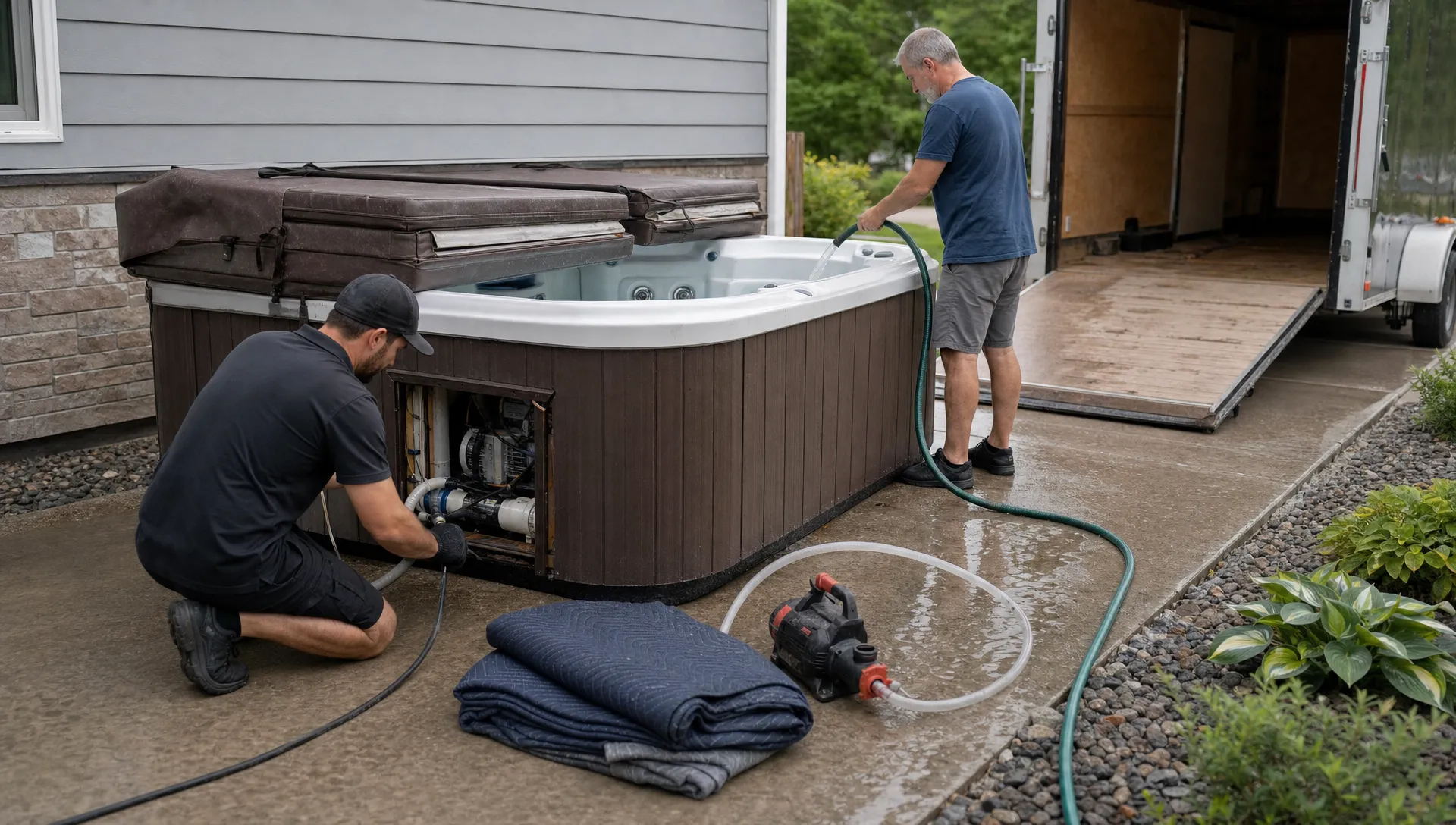
Before paying, have a spa mover assess access at both properties. Measure gates, tight turns, slopes and overhead obstacles. Confirm whether stairs, fencing removal or specialized lifting equipment will affect the quote.
With pre owned hot tubs, pickup logistics can erase an apparent bargain if the unit cannot be removed or placed using ordinary access. Ask the mover what their service includes, how damage claims are handled and whether any preparation must be completed first.
At your home, the support surface must meet the model's requirements for the filled spa and occupants. An existing patio is not automatically suitable, and a deck may need evaluation by a qualified structural professional.
Have a licensed electrician verify the unit's electrical requirements and the suitability of the planned connection. Do not assume the seller's wiring arrangement can simply be reused at your property.
Hearthside Supply's guide to preparing for hot tub installation explains the site-planning considerations in more detail. Resolve these issues before committing to a used unit, not after a mover arrives.
Check parts, warranty terms and local service
Contact a local service provider with the model and serial number. Ask whether they work on that unit and whether key components remain obtainable. Availability matters more than brand recognition when a failed control board or unusual fitting prevents operation.
Some replacement parts may require compatible assemblies or additional labor rather than a simple swap. Obtain an estimate for known faults before negotiating the purchase price.
Do not assume the original warranty transfers to a second owner. Ask the manufacturer directly about transfer eligibility, documentation requirements and any remaining coverage. If a dealer offers its own warranty, get the terms in writing, including exclusions and responsibility for service visits.
Supportability should influence how you evaluate pre owned hot tubs: an otherwise appealing unit may be a poor fit if local technicians will not service it. For help recognizing problems that need professional attention, review when to hire a hot tub maintenance service.
Put the sale terms in writing
A written receipt or purchase agreement should identify the seller, buyer, model, serial number, price and included accessories. Record known defects and any promises about repairs, delivery or operating condition.
Clarify whether the transaction is as-is and what happens if the tub does not match the agreed condition before pickup. Do not treat verbal assurances as equivalent to written terms.
Agree on who handles draining, disconnection and site access. Electrical disconnection should be performed by an appropriately qualified professional where required. Ask the mover how the tub should be prepared for transport rather than improvising a procedure.
Inspect the unit again before it leaves the seller's property and document its condition with photographs. Avoid sending payment to an unverified seller solely to “reserve” a listing you have not evaluated.
Know when a new hot tub is the better choice
New equipment deserves a serious comparison when the used unit needs multiple repairs, has an uncertain history or lacks dependable parts support. Compare similar seating layouts, dimensions and included equipment, not simply the cheapest used listing against the most expensive new model.
A new purchase still requires careful review of installation needs, delivery arrangements and warranty terms. The difference is that you are not also trying to establish how a previous owner treated the equipment.
If the installed cost of pre owned hot tubs approaches that of suitable new alternatives, the remaining savings may not justify the uncertainty. Your tolerance for downtime matters, too. A household that wants straightforward ownership may value predictability more than the lowest upfront price.
Confirm which wellness experience you actually want
Do not buy a used spa simply because it appears to be a bargain. Warm-water soaking and cold-water immersion are different experiences, with different equipment needs.
If your goal is specifically cold immersion, dedicated options such as the Cold Life Ultimate Plunge (Plunge Only) and Revive Fully Insulated Luxury Plunge Tub belong in a separate comparison. Review each listing's included equipment and setup requirements rather than assuming either provides the same experience or package as a hot tub.
Frequently asked questions
Is there an age cutoff for buying a used hot tub? There is no universal cutoff. Condition, maintenance history, parts availability and repair needs matter more than age alone. Verify the manufacturing year and evaluate the specific unit rather than treating age as a guarantee of quality.
Should I buy a hot tub that is not filled? Only if you understand that its condition remains unverified and are prepared for a repair project. For most homeowners considering pre owned hot tubs, a full wet test is a sensible purchase requirement.
Is a refurbished hot tub safer to buy than a private-sale unit? Not automatically. Ask what refurbishment included, who completed the work and what written coverage applies. Detailed repair records and demonstrated operation are more useful than the word “refurbished” by itself.
How should I clean a used hot tub before using it? Follow the model's instructions for cleaning, filters, any recommended plumbing treatment and startup. Replace worn components as needed and establish correct water chemistry before use. The CDC's hot tub guidance emphasizes monitoring disinfectant levels and pH. Clear-looking water alone is not proof that water care is adequate.
Can I move a used spa myself? Size, weight, access and structural condition can make moving difficult. Get a professional moving assessment rather than assuming several helpers and a trailer are sufficient. Damage during transport can eliminate the savings from buying used.
Compare the complete purchase before committing
A used hot tub is worth considering when its operation is demonstrated, its history is credible and its installed cost leaves room for future maintenance. Walk away when the seller prevents inspection or the repair risk exceeds your budget.
Before deciding, compare your used listing with the home wellness selection at Hearthside Supply. Use documented specifications, confirmed setup costs and written purchase terms to choose the option that fits your home and ownership expectations.
Ready to invest in your home wellness?
Explore our curated selection of premium saunas, hot tubs, cold plunges, steam showers, and swim spas — with clear specifications, nationwide delivery, and secure checkout.
Keep reading
View all posts
 Wellness
How to Build a Home Recovery Room: Layout, Ventilation, and Flow
Transform your space into a sanctuary with our guide to designing the perfect home recovery room for contrast therapy, relaxation, and long-term health.
Read article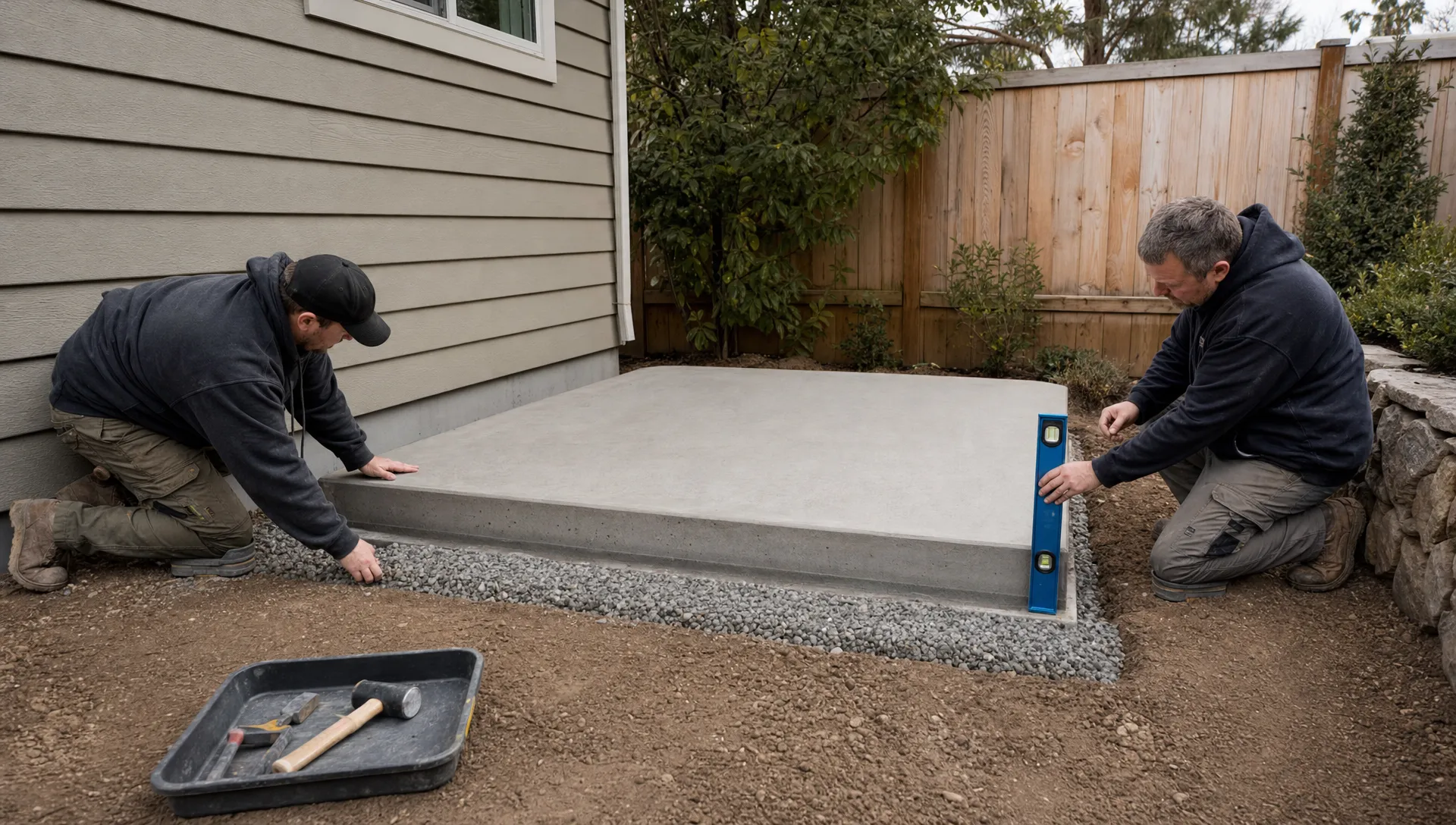 Wellness
How to Build a Hot Tub Base That Supports Your Spa
A solid spa foundation starts below the finished surface, where soil preparation and drainage determine long-term stability. Learn how to compare materials, estimate loaded weight and check your installation before delivery.
Read article
 Wellness
Sauna and Cardiovascular Health: What Research Actually Shows
Discover how regular sauna use impacts cardiovascular health, blood pressure, and long-term heart outcomes in this science-backed guide for wellness seekers.
Read article