Cold Plunge Safety: Risks, Precautions, and Who Should Avoid It
Cold Plunge Safety: Risks, Precautions, and Who Should Avoid It — Wellness
Discover essential cold plunge safety guidelines, medical contraindications, and expert protocols to ensure a safe and effective home wellness routine.
The Importance of Cold Plunge Safety
Cold water immersion has transformed from a niche biohacking practice into a cornerstone of the modern daily ritual. While the benefits—ranging from enhanced muscle recovery and reduced inflammation to increased dopamine and improved sleep quality—are well-documented, cold plunge safety must remain the priority for anyone beginning their journey. Whether you are looking for localized relief from DOMS or systemic stress relief, understanding your body’s response to thermotherapy is essential for long-term healthspan.
As you integrate this practice into your home spa or wellness room, it is crucial to recognize that cold therapy places significant demand on the cardiovascular system. At Hearthside Supply, we want our customers in California and nationwide to enjoy their wellness investments with confidence. Before you browse our selection of Cold Plunges, take a moment to understand the physiological impacts of immersion.
For a deeper dive into the broader landscape of recovery, we recommend our Hot and Cold Therapy: A Beginner's Complete Guide to Recovery, which provides the foundation for building an effective contrast therapy routine.
Understanding Cold Water Risks and Physiological Stress
When you submerge yourself in cold water, your body enters the relaxation response's opposite: the acute stress response. Cold shock triggers an immediate increase in heart rate and blood pressure as your body attempts to maintain core body temperature. While healthy individuals adapt quickly, those with pre-existing conditions face significant cold water risks if they do not follow professional guidance.
The shift from parasympathetic nervous system dominance to a sympathetic state is rapid. This is why we often advocate for controlled breathwork—such as box breathing—before and during the plunge. By managing your breath, you can influence your heart rate variability and mitigate the 'gasp reflex' that poses a risk in deep water.
Who Should Avoid Cold Therapy?
Cold plunge contraindications are critical to review before purchase. Individuals with certain cardiovascular issues, including hypertension, heart disease, or Raynaud’s syndrome, should consult with a medical professional before engaging in cold exposure. Cold water causes peripheral vasoconstriction, which significantly increases the workload on the heart.
If you are pregnant, have a history of seizures, or suffer from any condition where sudden changes in body temperature or blood pressure could be harmful, you must prioritize caution. It is never a "one-size-fits-all" practice. For those interested in how these tools fit into a lifestyle, our guide on Home Spa Trends 2026: Saunas, Cold Plunges, and Steam Showers offers insight into creating a safe, professional-grade environment.
Essential Cold Plunge Precautions for Daily Use
Safe practice starts with environment and duration. Never plunge alone, especially if you are new to the practice. Keep your sessions brief initially—60 to 120 seconds are often enough to trigger the release of norepinephrine and endorphins without overstressing your system.
- Monitor your temperature: Understand the Cold Plunge Temperature: The 50°F Debate Explained to find a setting that balances challenge with safety.
- Mind the transition: If you are combining your plunge with Saunas, always allow your body temperature to stabilize before moving between hot and cold. Read more about this in our guide to Contrast Therapy: Pairing Saunas and Cold Plunges for Recovery.
- Listen to your body: If you experience shivering, dizziness, or numbness beyond your extremities, exit immediately.
Top Features to Look for in a Modern Plunge
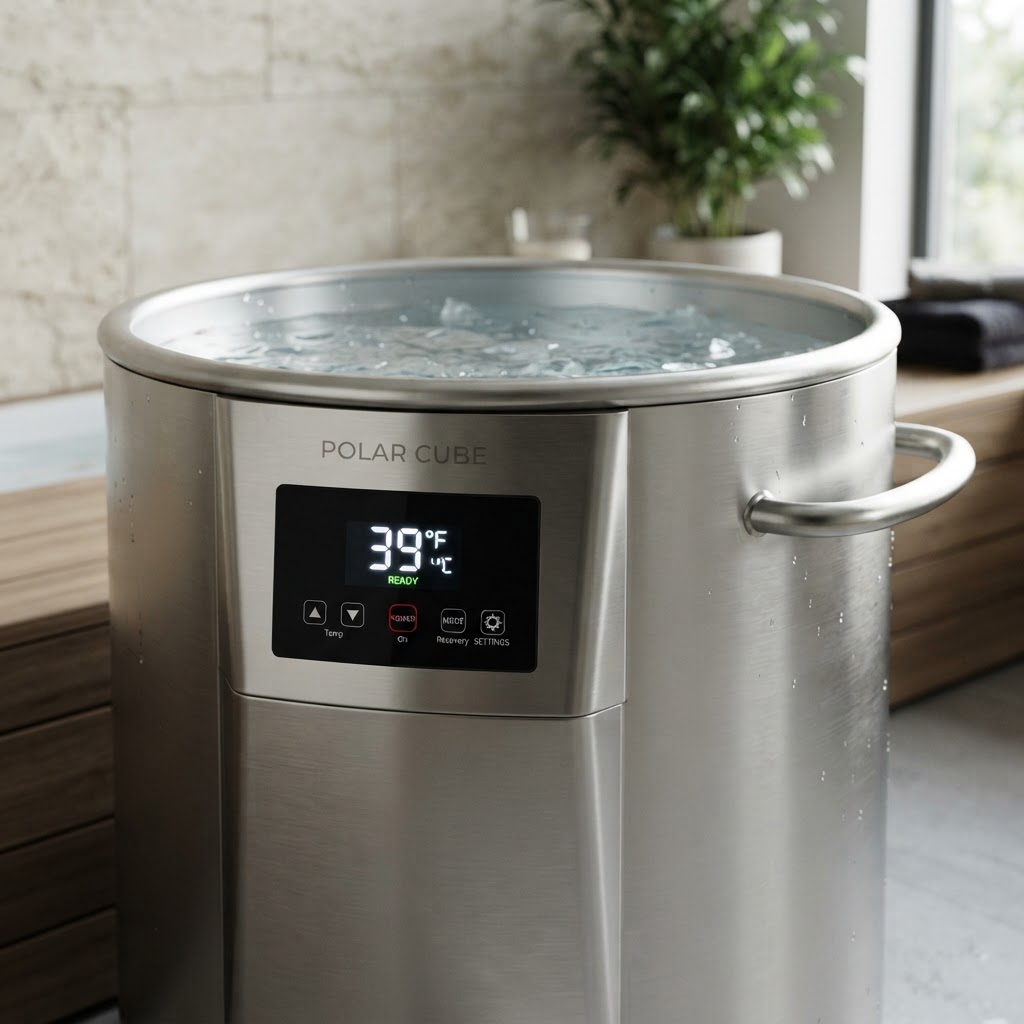
When shopping for a premium setup, focus on insulation, filtration, and temperature control. High-quality units provide stable, set-and-forget temperatures, allowing you to focus on your recovery stack rather than managing ice bags. Proper filtration is also vital for hygiene, as the environment must remain sanitary for daily use.
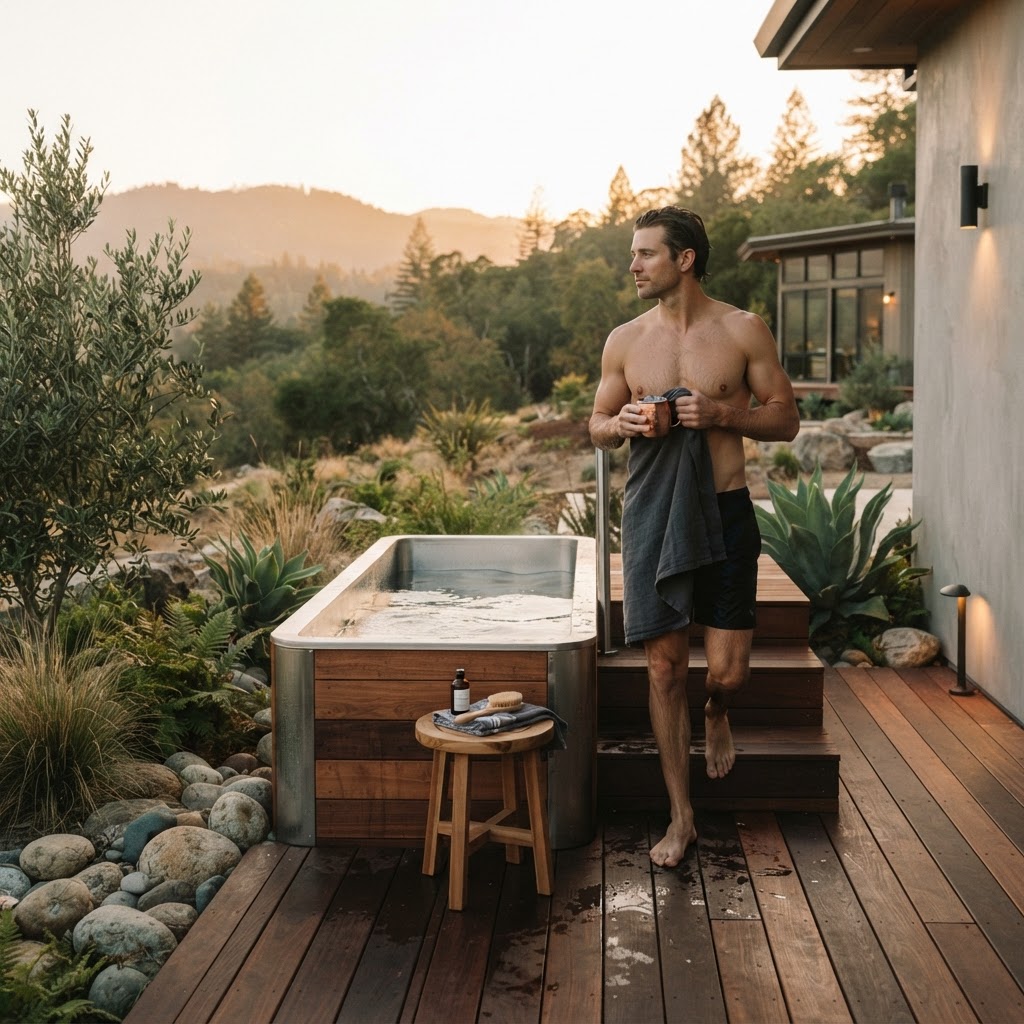
Whether you are considering a compact unit for a small bathroom or an outdoor installation, ensure the unit meets your specific requirements. You can learn more about placement in our article on Indoor vs Outdoor Cold Plunges: Placement and Insulation Guide.
Common Mistakes to Avoid
The most common mistake is "ego-plunging"—staying in longer than necessary or keeping the water at dangerously low temperatures just to prove toughness. Cold therapy is about adaptation and consistency, not endurance. Over-exposure can lead to oxidative stress rather than the desired reduction in inflammation. Additionally, failing to maintain your equipment can lead to bacterial growth. If you are struggling with maintenance, our Cold Plunge FAQs: Safety, Temperature, and Benefits Explained provides a comprehensive overview of how to sustain your practice.
Related Reading
- Cold Plunge for Inflammation: How Cold Water Aids Recovery
- Cold Plunge for Mental Health: Dopamine, Mood, and Stress Relief
- What Is a Cold Plunge: Definition, Benefits, and How to Start
FAQ
How cold should my plunge be?
Most beginners find success between 50°F and 59°F. It is safer to start warmer and gradually decrease the temperature as your body adapts to the cold shock.
How long should I stay in?
For recovery and mental benefits, 2 to 3 minutes is typically sufficient. Do not exceed 5-10 minutes without professional medical oversight, as the risk of hypothermia increases.
Can I do this if I have high blood pressure?
Because cold immersion impacts circulation and heart rate, you must consult your doctor first if you have diagnosed hypertension or heart conditions.
Ready to invest in your home wellness?
Building your dream recovery space is a rewarding journey. Explore our full range of Cold Plunges, Saunas, Hot Tubs, Swim Spas, and Steam Showers. If you have questions about which unit is right for your home, reach out to our team at +1 (253) 264-2435 or email sales@hearthsidesupply.com to talk to a specialist today.
Ready to invest in your home wellness?
Explore our curated selection of premium saunas, hot tubs, cold plunges, steam showers, and swim spas — with clear specifications, nationwide delivery, and secure checkout.
Keep reading
View all posts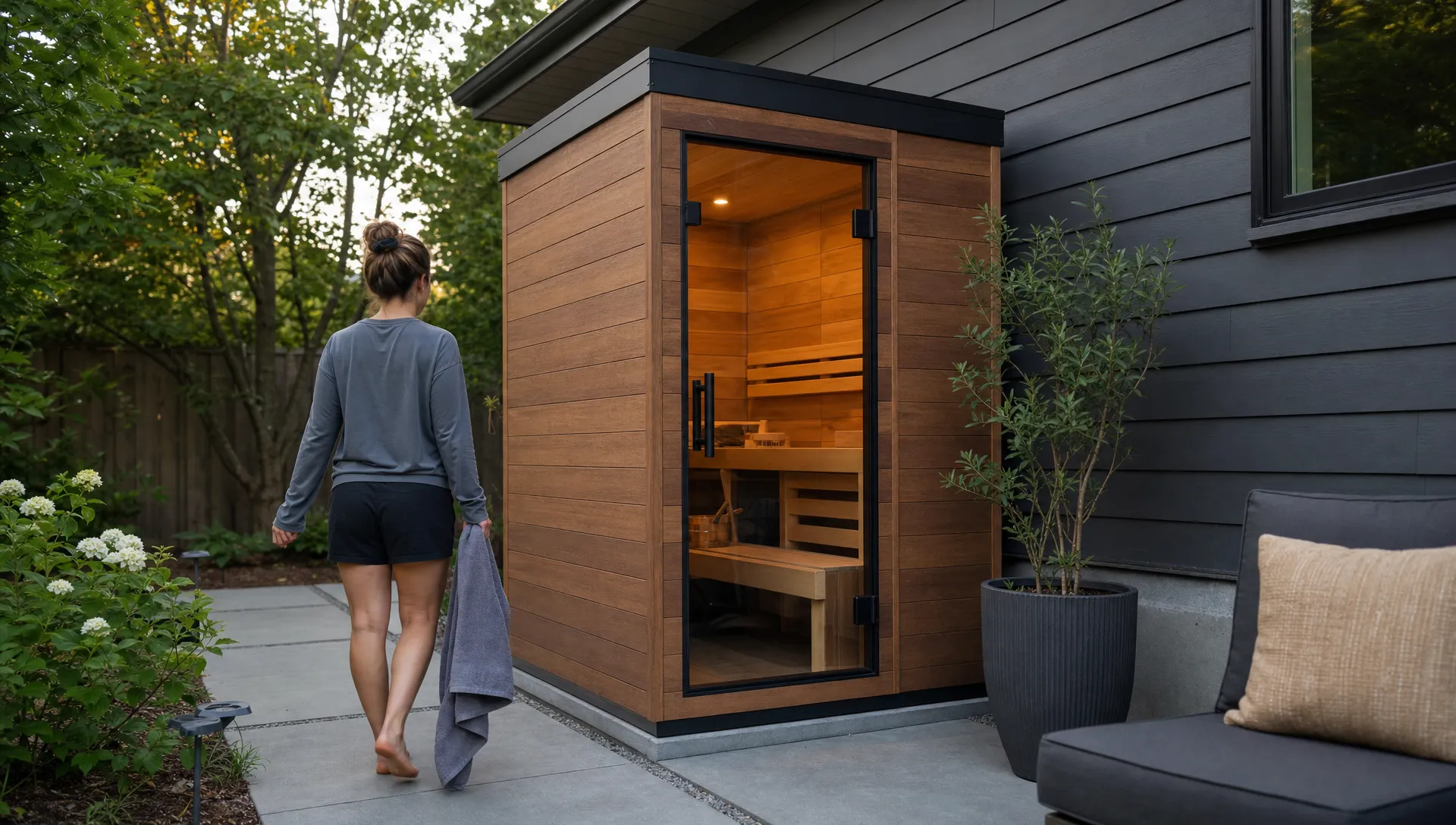 Wellness
Sauna Room Layouts That Make the Most of Limited Space
A small footprint can still leave room for comfortable seating and easy movement. Compare five layout approaches and learn what to check before buying a sauna for a tight space.
Read article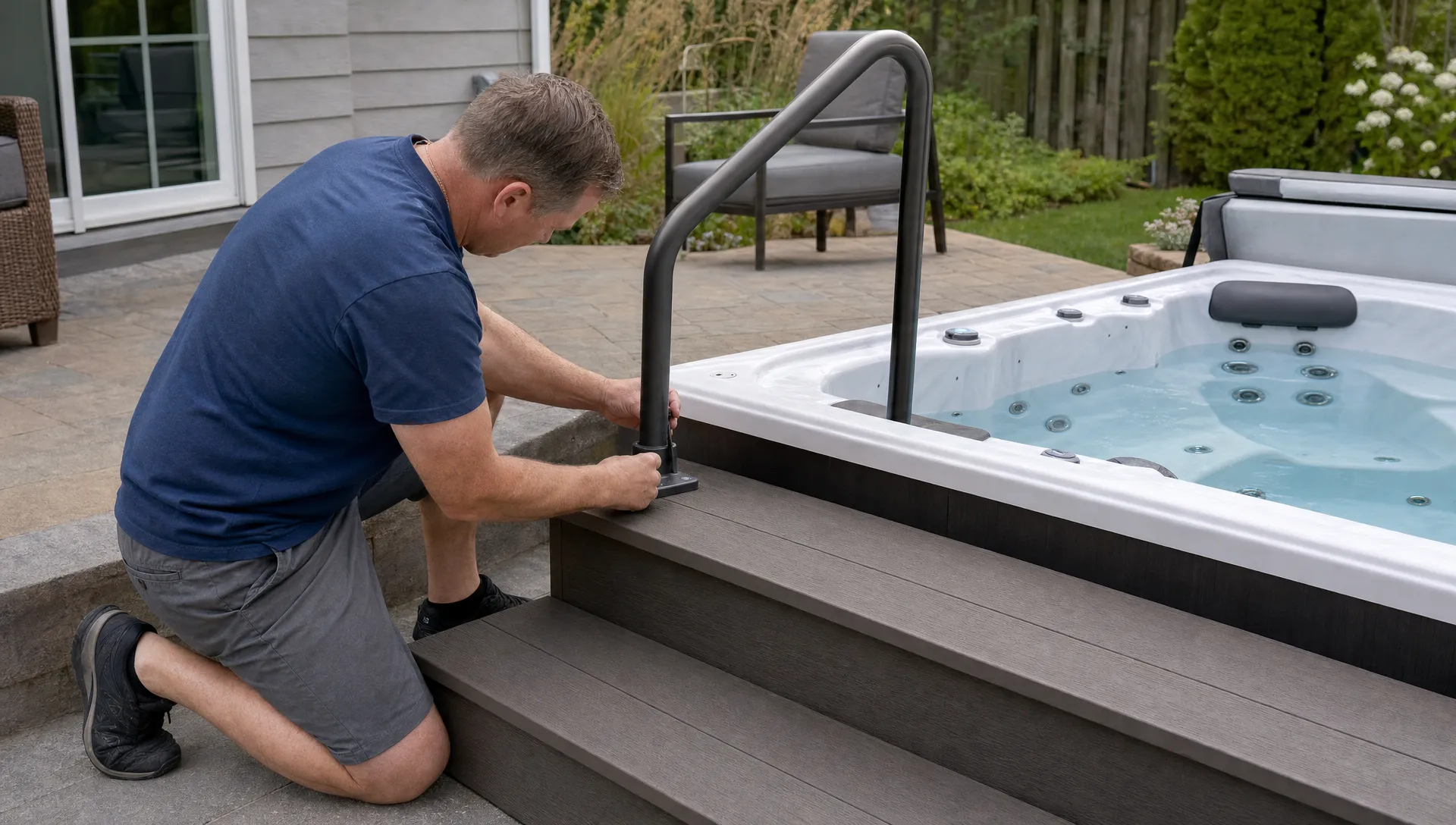 Wellness
Hot Tubs for Seniors With Easier Entry and Comfortable Seating
A comfortable spa starts with an entry route and seats that fit the person using it. Learn what to check before buying, from secure handrails and seat depth to cover handling and ongoing upkeep.
Read article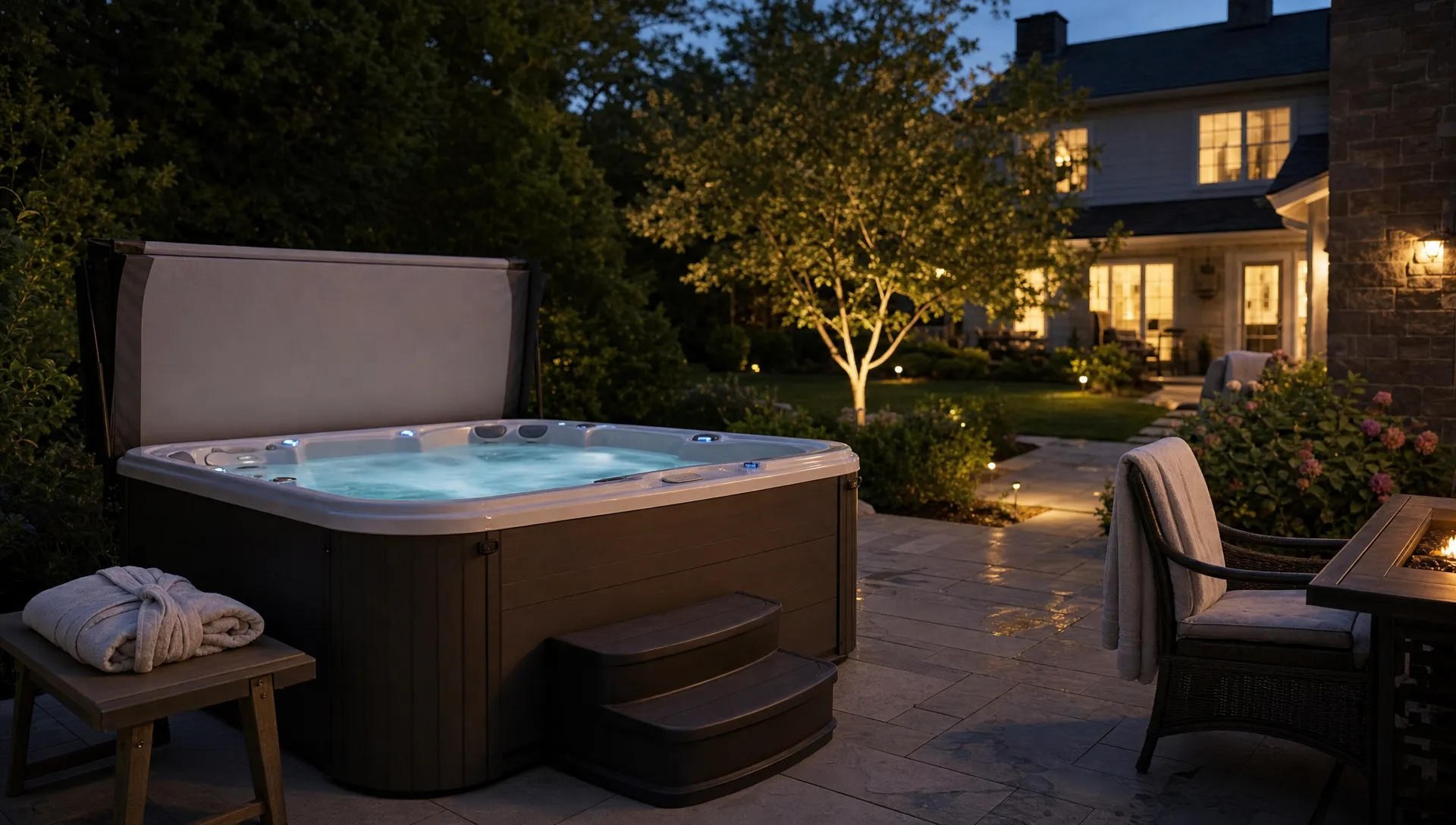 Wellness
How to Read Hot Tub Reviews Without Falling for Hype
A glowing rating cannot tell you whether a spa fits your home or budget. Learn how to separate useful owner feedback from sales hype and verify the claims that matter before you buy.
Read article