
Cold Plunge Temperature: The 50°F Debate Explained

Cold Plunge Temperature: The 50°F Debate Explained — Cold Plunges
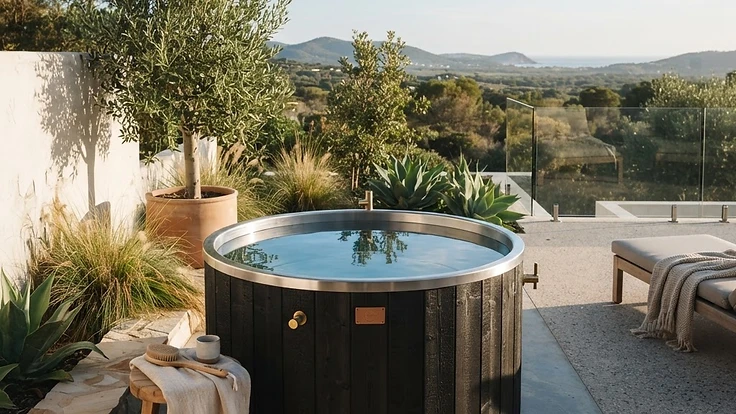
Is 50°F the magic number for cold plunge benefits? We dive into the science of optimal cold therapy temperatures to help you choose the right setup.
The Cold Plunge Temperature Debate: What Really Matters?
If you have been researching home recovery solutions, you have likely encountered the fervent debate regarding the optimal cold plunge temp. From the hardcore 39°F advocates to those who swear by the moderate 50°F standard, determining the right temperature for your specific health goals can be overwhelming. At Hearthside Supply, we believe that cold water immersion should be a sustainable, effective practice tailored to your individual physiology.
The goal of cold exposure is to trigger beneficial physiological responses, such as vasoconstriction, the release of norepinephrine, and improved lymphatic flow. Whether you are looking for relief from delayed onset muscle soreness (DOMS) or seeking the mental clarity that follows a cold shock, your hardware setup—specifically your chiller—needs to be capable of hitting the target range consistently. Whether you live in bustling urban centers or quiet suburbs, we offer nationwide shipping to all 50 states, including customers in California and Florida, to help you start your journey.
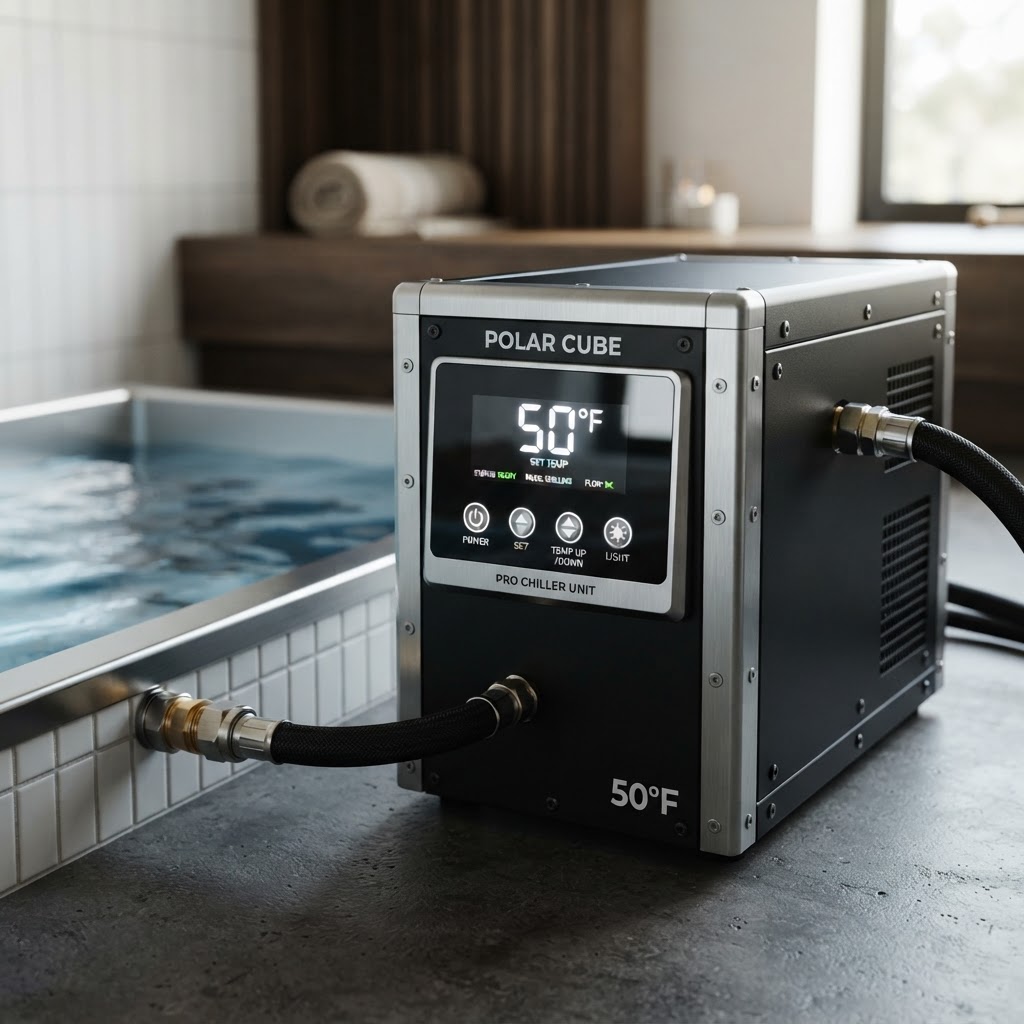
When browsing our Cold Plunges collection, you will see a variety of systems designed to manage water temperature with precision. Before you invest, it is essential to understand why the 50°F mark has become the industry standard for general wellness, while lower temperatures are often reserved for specialized athletic recovery.
Understanding the Science of Cold Exposure
Cold therapy works by temporarily narrowing blood vessels, which can help reduce inflammation and swelling. As you exit the water, your body rewarms, signaling a rush of oxygenated blood back to the tissues. This process is key to managing muscle recovery. For more on the foundational benefits, read our guide on What Is an Ice Bath? Definition, Benefits, and How to Do It.
However, temperature is only half the battle. Your consistency depends on a reliable chiller. A unit with robust cooling capacity and high BTU ratings will ensure you stay within your preferred range without constant manual adjustments. If you are just starting, learn how to refine your routine with our article on How Long Should You Stay in a Cold Plunge? A Duration Guide.
Choosing the Right Tub: Portable vs. Rigid
Your hardware choice drastically affects your ability to maintain a stable temperature. Portable or inflatable plunges are excellent for space-conscious users, while rigid tubs offer better insulation and aesthetic integration into your home or gym. For those comparing different recovery methods, see our post on Cold Plunge vs Cryotherapy: Which Is Better for Recovery?.
When selecting your setup, remember that insulation is key to energy efficiency. A high-quality insulated cover prevents ambient heat from warming your water, saving you money on electricity. For a broader look at home wellness efficiency, see Energy Efficiency Compared: Saunas, Hot Tubs, and Cold Plunges.
Maintenance: Keeping Your Water Crystal Clear
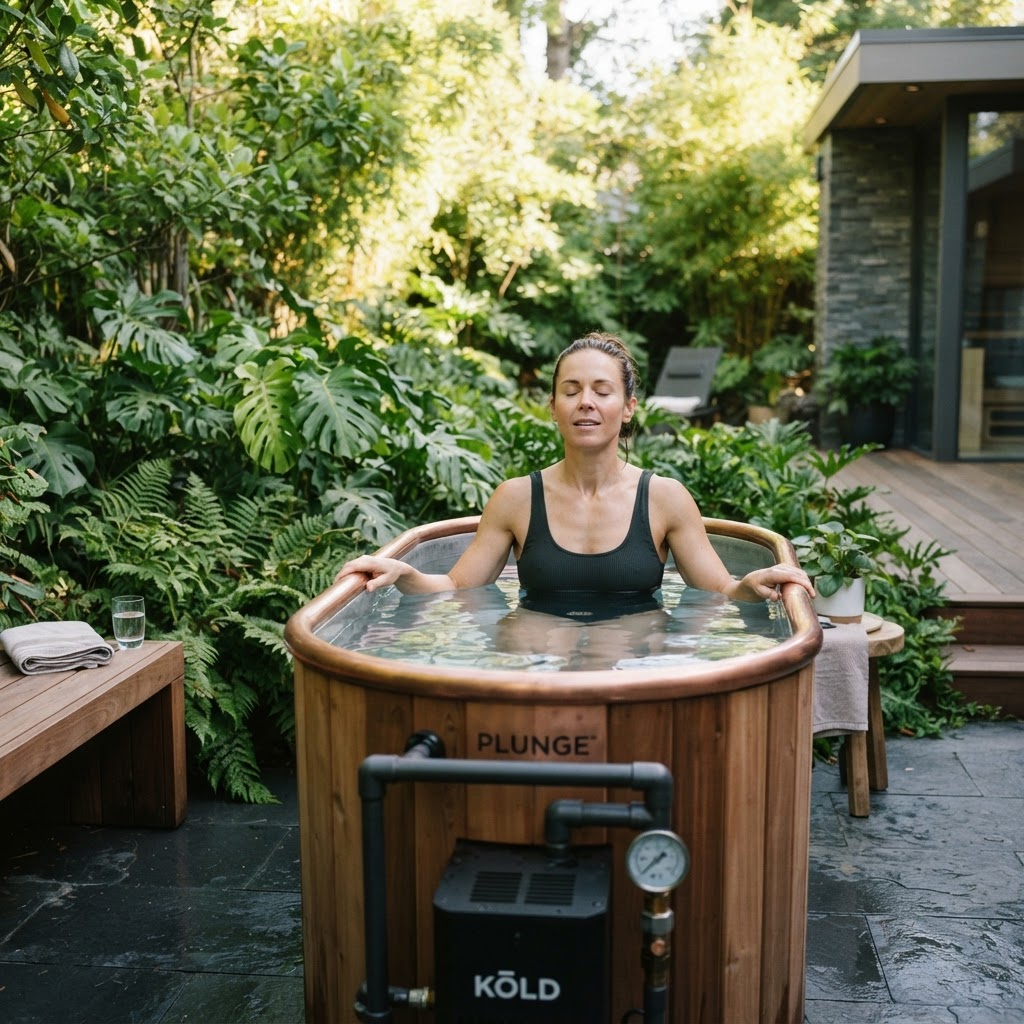
Regardless of whether you keep your plunge at 50°F or 45°F, water maintenance is paramount. You need a system that includes effective filtration, an ozone generator, or a UV sterilizer to ensure water clarity and safety. Regular filter cleaning and a consistent sanitizer schedule will prevent bacterial growth. For detailed advice, consult our Cold Plunge Maintenance: Expert Tips for Clean, Chilled Water.
Related Reading for Your Wellness Journey
- Best Cold Plunges for Home Use in 2026: Our Top Expert Picks
- Cold Plunge Chiller Specs: Power, Noise, and Cooling Speed Guide
- Which Cold Therapy Tubs Fit Your Recovery Routine?
- Understanding Warranties: Saunas, Hot Tubs, and Cold Plunges
FAQ
Is 50°F cold enough for health benefits?
Yes, 50°F is widely considered the threshold where the body begins to reap the primary benefits of cold immersion, including improved circulation and metabolic activation, without the extreme risk associated with near-freezing temperatures.
Why does chiller noise matter?
Chiller noise is a factor if you are installing your plunge indoors or on a quiet deck. Premium systems are designed with acoustic dampening to ensure your recovery time remains peaceful.
How often should I change my cold plunge water?
With proper filtration, sanitizers, and ozone or UV treatment, you should only need to change your water every 2 to 3 months depending on usage frequency and hygiene practices.
Can I use my cold plunge outdoors?
Many of our models are built for outdoor use, but they require an insulated cover to maintain temperature against environmental fluctuations. Always check product specifications for weatherproofing.
Ready to invest in your home wellness?
At Hearthside Supply, we are committed to helping you find the perfect recovery solution. Whether you are ready to shop our Cold Plunges, Saunas, or Hot Tubs, our team is here to assist. For personalized guidance, please talk to a specialist or reach us at +1 (253) 264-2435 and sales@hearthsidesupply.com.
Ready to invest in your home wellness?
Explore our curated selection of premium saunas, hot tubs, cold plunges, steam showers, and swim spas — with clear specifications, nationwide delivery, and secure checkout.
Keep reading
View all posts
 Cold Plunges
What Is an Ice Bath? Definition, Benefits, and How to Use One
Discover what an ice bath is, how cold water immersion works for recovery, and how to safely incorporate this powerful wellness tool into your daily routine.
Read article
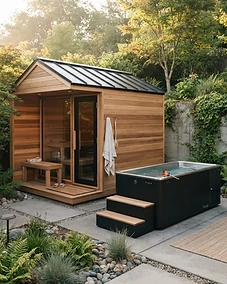 Cold Plunges
Cold Plunge vs Cryotherapy: Which Is Better for Recovery?
Wondering if a home cold plunge or professional cryotherapy is better for your recovery? We compare costs, convenience, and effectiveness to help you choose.
Read article
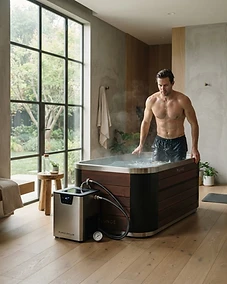 Cold Plunges
Best Cold Plunge Chillers for Consistent Cold Water
Discover the best cold plunge chillers for your home. We review top models based on cooling power, noise levels, and overall value for your wellness routine.
Read article