
Which Cold Therapy Tubs Fit Your Recovery Routine?
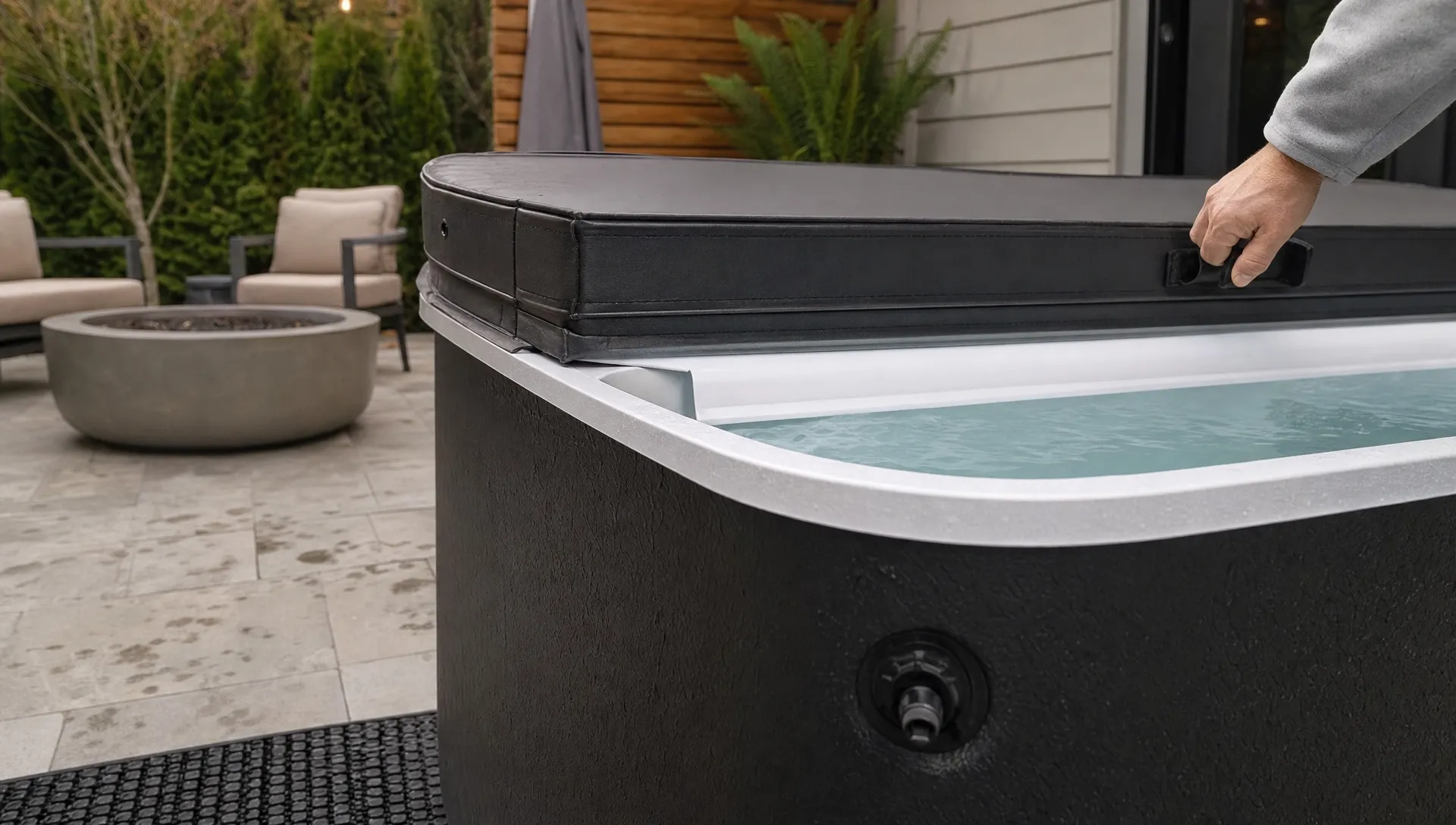
Which Cold Therapy Tubs Fit Your Recovery Routine? — Wellness
The best cold therapy tub is the one that matches how often you recover, where you plan to use it and how much upkeep you want. Use this guide to compare tub styles, setup needs and contrast options before buying.
Buying a cold therapy tub is less about finding the coldest water and more about choosing a setup you will use consistently. A tub that looks impressive online can become a chore if it is hard to drain, too large for your space or uncomfortable for your routine.
For most home wellness shoppers, the right choice comes down to four practical questions: how often you plan to plunge, where the tub will live, how much temperature control you want and whether cold water is part of a larger recovery setup that includes heat, stretching or relaxation.
Cold therapy tubs are commonly used after workouts, morning routines and backyard wellness sessions. They are not a medical treatment, and anyone with heart, circulation, blood pressure or temperature sensitivity concerns should speak with a qualified healthcare professional before starting cold exposure.
Start With Your Recovery Routine, Not the Tub
A buyer who plunges after every training session needs a different setup than someone who wants an occasional weekend ice bath. Frequency affects everything: water sanitation, insulation, chiller needs, drainage and how much effort you will tolerate before each use.
Before comparing models, define your routine in plain terms:
- Frequency: Daily, a few times per week or only after hard workouts.
- Session style: Quick dips, longer controlled sessions or contrast rounds with warm water.
- Location: Garage gym, patio, bathroom, covered porch or dedicated wellness room.
- Maintenance comfort: Basic draining and refilling, or a more complete water care setup.
- Household use: Solo recovery, shared use with a partner or a broader backyard wellness space.
Once you know those answers, the buying decision becomes much easier. You can eliminate tubs that require too much setup, do not fit the space or make water care more complicated than you want.
Quick Comparison: Which Cold Therapy Tub Fits Your Routine?
| Recovery routine | Best tub style to consider | Why it fits | What to watch |
|---|---|---|---|
| Occasional post-workout use | Portable ice bath or simple insulated tub | Lower complexity and easy entry into cold exposure | Ice costs, manual temperature control and more frequent water changes |
| Daily or frequent plunging | Chiller-equipped cold plunge tub | More consistent water temperature and better convenience | Higher upfront cost, electrical planning and ongoing maintenance |
| Small-space recovery | Compact vertical or short-profile tub | Fits patios, garages and smaller wellness rooms | Comfort, entry height and shoulder coverage |
| Athletic training routine | Tub with reliable temperature adjustment | Helps match cold intensity to training goals and tolerance | Avoid assuming colder is always better |
| Contrast routine | Cold tub paired with a separate hot tub or spa | Supports a heat and cold wellness flow at home | Requires more space, planning and water care for two units |
| Shared household use | Larger insulated tub with comfortable access | Easier for different body types and routines | Footprint, fill volume and setup requirements |
This table is a starting point, not a final prescription. The best cold therapy tub is the one that fits your habits, not the one with the most aggressive temperature claim.
For Occasional Use: Portable Ice Baths and Simple Cold Tubs
If you only plan to use cold water after intense workouts or during warm weather, a simple ice bath or portable cold tub can make sense. These setups are typically chosen by buyers who want a low-commitment way to try cold immersion before investing in a more permanent system.
The tradeoff is convenience. You will likely manage temperature manually, add ice when needed and change water more often. If your routine depends on having cold water ready at 6 a.m., manual ice management can get old quickly.
This style works best when recovery is occasional, space is tight or you are still learning your tolerance. It is less ideal for daily users who want predictable temperatures and cleaner water with less hands-on effort. If you are still deciding between a basic ice setup and a dedicated plunge, Hearthside Supply’s guide to cold plunge vs ice bath choices is a useful next read.
For Frequent Recovery: Chiller-Equipped Cold Therapy Tubs
A chiller-equipped tub is usually the more practical choice for people who plunge several times per week. Instead of buying bags of ice, you rely on a system designed to cool the water and help maintain a more consistent temperature.
For home buyers, the appeal is convenience. The tub becomes part of your routine rather than a project you set up from scratch each time. This matters more than many shoppers expect. If a recovery habit takes too much preparation, it often disappears after the first few weeks.
When comparing chiller-equipped cold therapy tubs, focus on the full ownership experience. Look closely at the product’s temperature range, filtration approach, sanitation recommendations, cover design, drainage setup, electrical requirements and where the unit can be placed. Do not assume every model is equally suited for outdoor exposure, garage use or year-round operation.
A chiller system may also reduce the mess and recurring cost of ice, but it introduces different responsibilities. You still need to monitor water quality, clean components according to the manufacturer’s guidance and plan for power access.
For Morning Routines: Compact Tubs With Fast Access
Many buyers are not training for competition. They want a cold tub that helps them start the day with a focused routine. For this use case, placement and simplicity matter more than maximum capacity.
A compact tub near a bathroom, garage gym or covered patio can make morning plunges easier to repeat. You want a setup that lets you step in, complete your session, dry off and move on without dealing with a long prep process.
Comfort is still important. A tub that is too cramped may discourage regular use, especially for taller users. Check interior dimensions, entry style and whether the design supports your preferred posture. Some people prefer upright immersion, while others want a reclined position with more legroom.
If your main goal is consistency, choose the tub that removes friction from your day. A slightly smaller, better-placed model may serve you better than a larger tub tucked away in an inconvenient corner.
For Strength Training: Adjustable Cold Exposure Matters
Cold exposure is popular among strength athletes, runners and recreational fitness users, but more intensity is not always better. The right routine depends on your training goals, timing and personal tolerance.
For example, someone using cold water after a long endurance session may have different needs than someone lifting for muscle growth. Some athletes prefer separating intense cold exposure from strength sessions rather than plunging immediately afterward. If performance programming matters to you, talk with a qualified coach or healthcare professional and choose equipment that gives you control instead of forcing one fixed approach.
This is where temperature adjustment becomes valuable. A tub with a controllable cooling system can help you avoid the all-or-nothing pattern of dumping in ice and hoping the water lands at a comfortable level. For more detail on practical temperature planning, review this guide on how cold a cold plunge should be before deciding what level of cooling you actually need.
For Contrast Routines: Pairing Cold Water With a Hot Tub
Some homeowners want a complete backyard wellness flow: cold immersion, warm water relaxation, stretching and quiet recovery time. In that case, the cold tub is only one part of the plan.
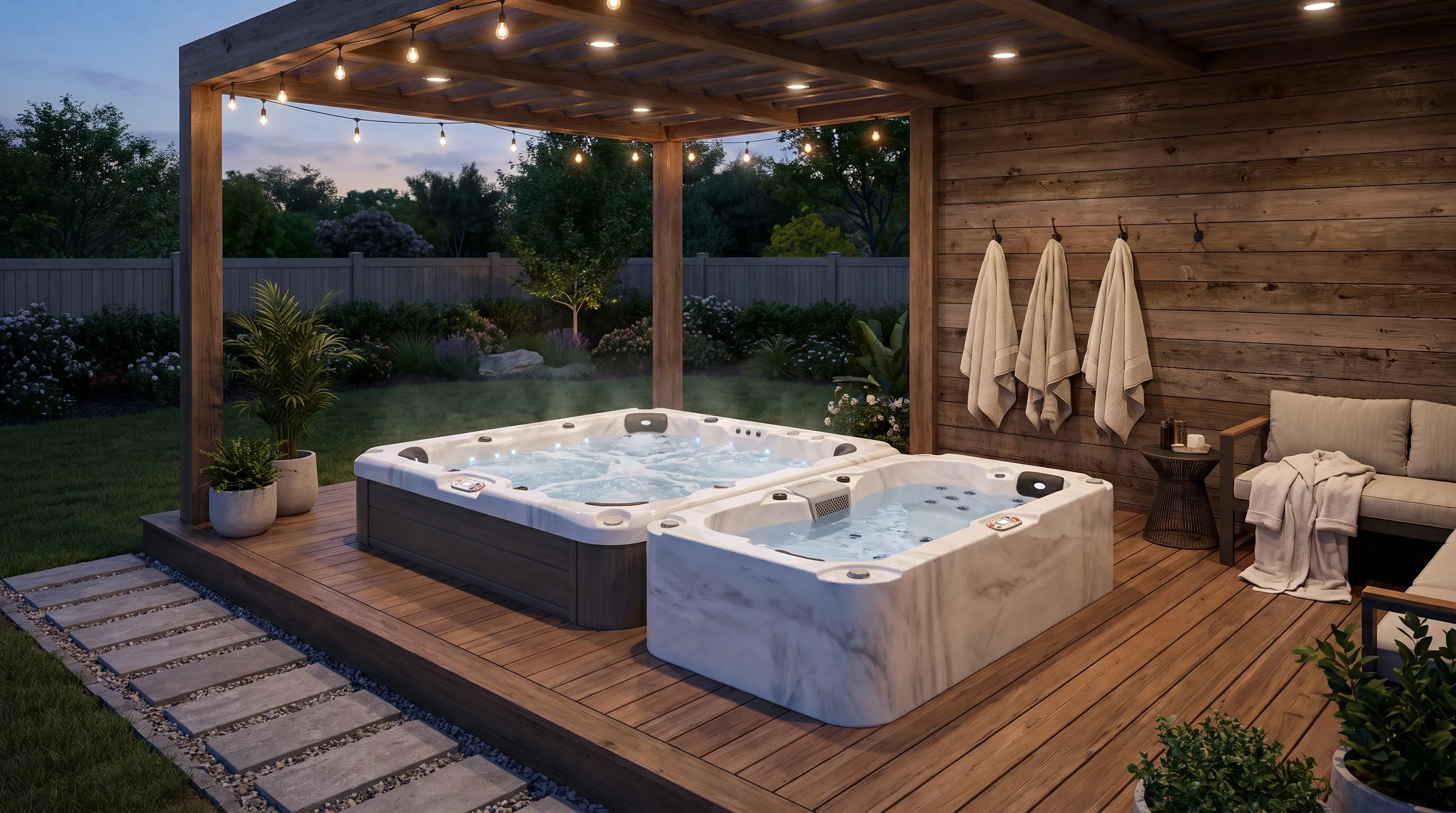
A separate hot tub or spa can complement a cold plunge for buyers who enjoy contrast routines. The key word is separate. Most shoppers are better served by choosing dedicated equipment for each experience rather than expecting one product to do everything.
If your household wants a larger warm-water option alongside cold immersion, compare a full-size spa such as the Liberty Spas Luxury 240V 6 Person Spa LYS6000 as part of the warm side of the setup. For a smaller household or a buyer comparing simpler spa formats, the Liberty Spas Plug & Play 4 Person Spa LYS4000 may be relevant to review alongside your cold tub options.
These are not substitutes for cold therapy tubs, but they can influence the best overall layout. If a hot tub is part of your plan, think through traffic flow, privacy, electrical access, cover clearance and where users will towel off between cold and warm sessions.
For Shared Households: Prioritize Comfort and Access
A solo user can often make a smaller tub work. Shared households need to think more carefully about size, entry design and how different users will feel in the water.
If one person is tall and another is shorter, an upright tub may feel comfortable for one and awkward for the other. A deeper design may provide better shoulder coverage, but it can also make entry and exit more difficult. A lower-profile tub may feel easier to access, but it might not deliver the same immersion experience.
Look for details that affect real use, not just product photos. Interior space, step-in height, seating posture, edge shape and cover handling can all make a difference. If older family members or less mobile users may use the space, access planning becomes even more important.
Shared use also increases maintenance demands. More users mean more body oils, lotions and debris entering the water. That does not make shared use a problem, but it does mean filtration, sanitation and water change routines should be part of your buying decision from the start.
Placement: Indoor, Outdoor, Garage or Patio?
Where the tub lives will shape your experience every day. A beautiful plunge tub in the wrong location can be noisy, inconvenient or difficult to maintain.
Outdoor placement is popular because it keeps water activity outside and can work well in a backyard recovery zone. You still need to check whether the model is designed for outdoor conditions, how the cover handles weather, where water will drain and whether the surface is level and strong enough.
Garage placement is practical for home gym users. It can provide privacy and easier access to towels, storage and workout equipment. Pay attention to ventilation, floor drainage and how cold or hot the garage gets during seasonal temperature swings.
Indoor placement can feel luxurious, but it requires more planning. Water spills, humidity, floor load, drainage and electrical safety all matter. If you are considering an indoor installation, review manufacturer guidance carefully and consult qualified professionals where needed.
If you are building a dedicated patio, deck or garage wellness corner with contractors, keep the construction phase practical: non-slip footwear, gloves and durable workwear help crews handle wet-area work more safely. For trade teams sourcing jobsite apparel, professional workwear from Bestex Fabricage is a relevant example of apparel built for industrial and outdoor work settings.
Features That Matter When Comparing Cold Therapy Tubs
Marketing language can make every cold tub sound similar. The features below are the ones that usually affect daily satisfaction.
| Feature | Why it matters | Buyer question to ask |
|---|---|---|
| Temperature control | Helps match the plunge to your tolerance and routine | Can I set and maintain the temperature I actually plan to use? |
| Filtration and sanitation | Supports cleaner water between uses | What does the manufacturer recommend for regular water care? |
| Insulation and cover quality | Helps reduce temperature loss and debris | Is the tub designed to stay cold between sessions? |
| Drainage access | Makes water changes easier | Can I drain it without flooding the area or moving the tub? |
| Entry and exit design | Affects comfort and safety | Can users step in and out confidently when wet? |
| Footprint | Determines whether it fits your space | Do I have clearance for the tub, cover, service access and towels? |
| Electrical requirements | Impacts installation planning | Do I need a dedicated circuit or professional electrical work? |
| Noise level | Matters for patios, garages and shared spaces | Will the cooling system bother nearby rooms or neighbors? |
Do not shop on cold temperature alone. A tub that is easy to clean, easy to enter and easy to keep ready will usually deliver more value than a colder unit that creates daily hassles.
Maintenance Should Influence Your Choice
Cold water does not eliminate the need for water care. Every tub requires some level of cleaning, and the right routine depends on the product design, water volume, frequency of use and manufacturer recommendations.
At a minimum, plan for regular water checks, filter attention where applicable, surface cleaning and scheduled draining. You should also shower before plunging when possible, keep the cover on when the tub is not in use and avoid introducing lotions, oils or dirt into the water.
Buyers who want minimal effort should be especially careful here. A lower-cost tub with no meaningful water management may be simple to buy but less convenient to own. A more complete system may cost more upfront but can better support frequent use.
For a deeper ownership view, Hearthside Supply’s cold plunge maintenance guide explains how to keep chilled water cleaner and more usable over time.
Common Buying Mistakes to Avoid
The biggest mistake is buying for aspiration instead of routine. A daily plunge habit sounds great, but if you know you will only use it once a week, a simpler setup may be the better fit.
Another common mistake is underestimating space. The tub itself is only part of the footprint. You also need room to open or remove the cover, step in safely, place towels, access drains and service components.
Buyers also overlook water logistics. Ask where the water will come from, where it will drain and how often you are willing to refill it. These details are not exciting, but they determine whether the tub remains pleasant to own.
Finally, avoid treating cold therapy tubs as one-size-fits-all recovery tools. Cold exposure preferences vary widely. The best setup gives you control, fits your environment and supports a routine you can repeat comfortably.
How to Choose Your Best Fit
If you are still unsure, use a simple decision path. Choose a portable or basic insulated tub if you are experimenting, using it occasionally or working with a tight space. Choose a chiller-equipped cold plunge if you expect frequent use and want more temperature consistency. Choose a compact model if daily convenience matters most. Choose a larger or more comfortable tub if multiple people will use it.
If you are creating a broader wellness area, decide early whether heat is part of the experience. A cold tub plus a hot tub can create a more complete space, but it also requires more planning, more maintenance and more budget than a single product.
The right tub should make your recovery routine easier to follow. If it adds too much friction, it is probably not the right choice, even if it looks perfect in photos.
Frequently Asked Questions
Are cold therapy tubs worth it for home recovery? They can be worth it if you plan to use cold water consistently and want a more convenient setup than buying ice repeatedly. Value depends on your routine, space, maintenance expectations and budget.
What is the best cold therapy tub for beginners? Beginners often do best with a tub that is easy to access, simple to maintain and not overly aggressive in temperature. Comfort and consistency matter more than choosing the coldest possible setup.
Can I use a cold plunge every day? Some people use cold plunges daily, but tolerance varies. Start conservatively, follow product instructions and speak with a qualified healthcare professional if you have health concerns or are unsure whether cold exposure is appropriate for you.
Should I choose a cold tub with a chiller or use ice? Ice can work for occasional use, but a chiller-equipped tub is usually more convenient for frequent plunging. A chiller may offer better temperature consistency, while ice requires more manual setup.
Can I pair a cold therapy tub with a hot tub? Yes, many homeowners plan cold and warm water areas together for contrast-style routines. Make sure you have enough space, safe walking paths, proper electrical planning and a realistic maintenance plan for both units.
Build a Recovery Setup You Will Actually Use
The best cold therapy tubs are not chosen by trend alone. They are chosen by routine, location, comfort and maintenance reality. A daily user may need a chiller-equipped setup with reliable water care, while an occasional user may be happier with a simpler tub. A homeowner building a full backyard wellness area may want cold water alongside a separate spa for warm relaxation.
Hearthside Supply helps home wellness shoppers compare premium saunas, hot tubs, cold plunge tubs, steam showers and swim spas with clear product information, secure checkout, nationwide delivery options, 30-day returns and expert support. When you are ready to choose, start with how you will actually recover, then select the tub that makes that routine easy to repeat.
Ready to invest in your home wellness?
Explore our curated selection of premium saunas, hot tubs, cold plunges, steam showers, and swim spas — with clear specifications, nationwide delivery, and secure checkout.
Keep reading
View all posts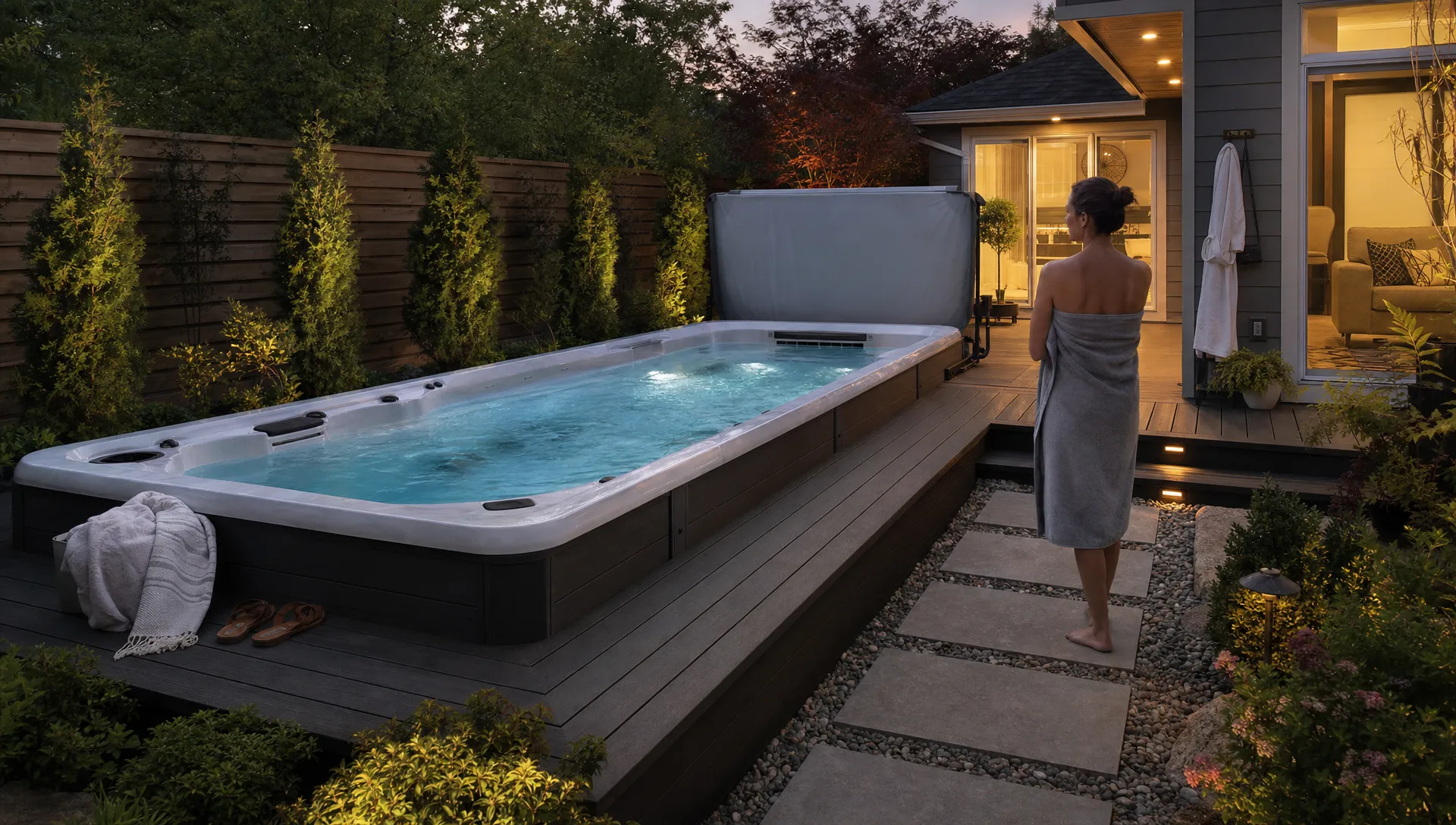 Wellness
Exercise Swim Spa Features for Low-Impact Training
A swim spa can turn a backyard into a compact, low-impact training space. Learn which current, sizing, resistance, safety and maintenance features matter before you buy.
Read article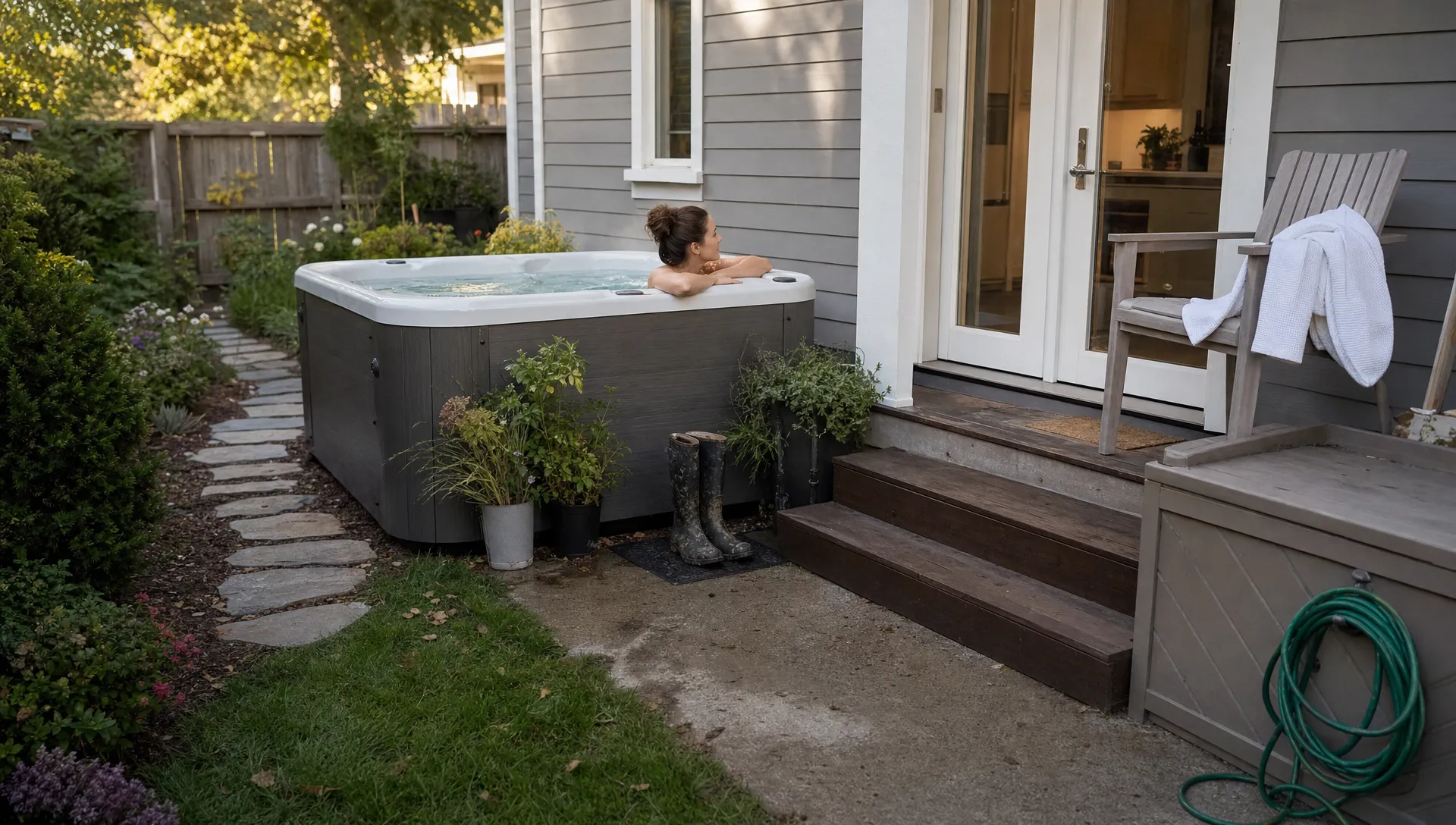 Wellness
How to Choose a Compact Hot Tub for a Small Backyard
A compact hot tub can turn a tight patio or side yard into a practical wellness space. Learn how to measure, compare seating, plan installation and avoid layout mistakes before you buy.
Read article Wellness
How to Choose a Hot Tub Sanitizer for Clear Water
Clear hot tub water starts with choosing the right sanitizer for your spa, usage habits, and maintenance style. This guide compares chlorine, bromine, mineral systems, saltwater options, and practical buying tips for easier water care.
Read article