
Cold Plunge vs Cryotherapy: Which Is Better for Recovery?

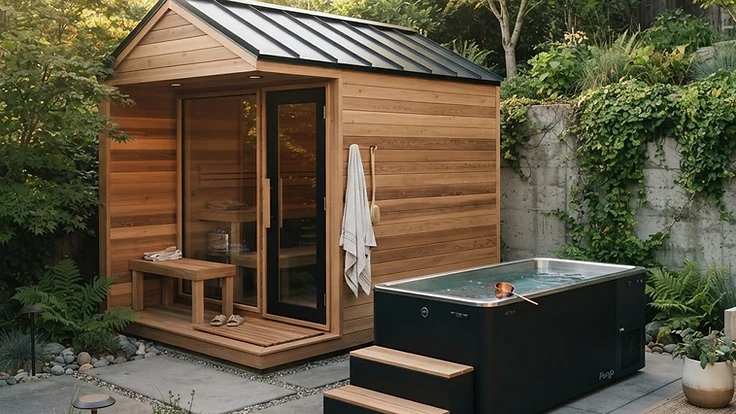
Cold Plunge vs Cryotherapy: Which Is Better for Recovery? — Cold Plunges
Wondering if a home cold plunge or professional cryotherapy is better for your recovery? We compare costs, convenience, and effectiveness to help you choose.
Introduction
In the quest for optimal health and faster muscle recovery, the debate between cold plunge vs cryotherapy has become a central topic among athletes and wellness enthusiasts. Both methods leverage the power of cold exposure to trigger biological responses like vasoconstriction, dopamine release, and reduced inflammation. However, they are vastly different experiences with unique implications for your daily routine and long-term cold adaptation. Whether you are looking for a quick fix or a sustainable habit, understanding the distinction between whole-body cold water immersion and cryotherapy chambers is essential before investing in your health.
Quick Comparison Table
| Feature | Cold Plunge (Ice Bath) | Whole-Body Cryotherapy |
|---|---|---|
| Primary Medium | Water (Liquid) | Nitrogen Gas/Cooled Air |
| Accessibility | High (In-home) | Low (Requires travel) |
| Cost | One-time investment | Per-session fee |
| Duration | 3–10 minutes | 2–4 minutes |
| Temperature | 39°F – 50°F | -160°F to -200°F |
| Main Benefit | Metabolic/Anti-inflammatory | Systemic anti-inflammatory |
What Is a Cold Plunge?
A cold plunge, often referred to as an ice bath, involves immersing the body in cold water, typically between 39°F and 50°F. Unlike simply dumping bags of ice into a tub, modern home systems use a high-performance chiller with precise temperature control, filtration, and ozone or UV sterilizer systems to maintain pristine water quality. For those looking for a consistent routine, owning a cold plunge offers the ability to practice cold therapy daily without leaving your house.
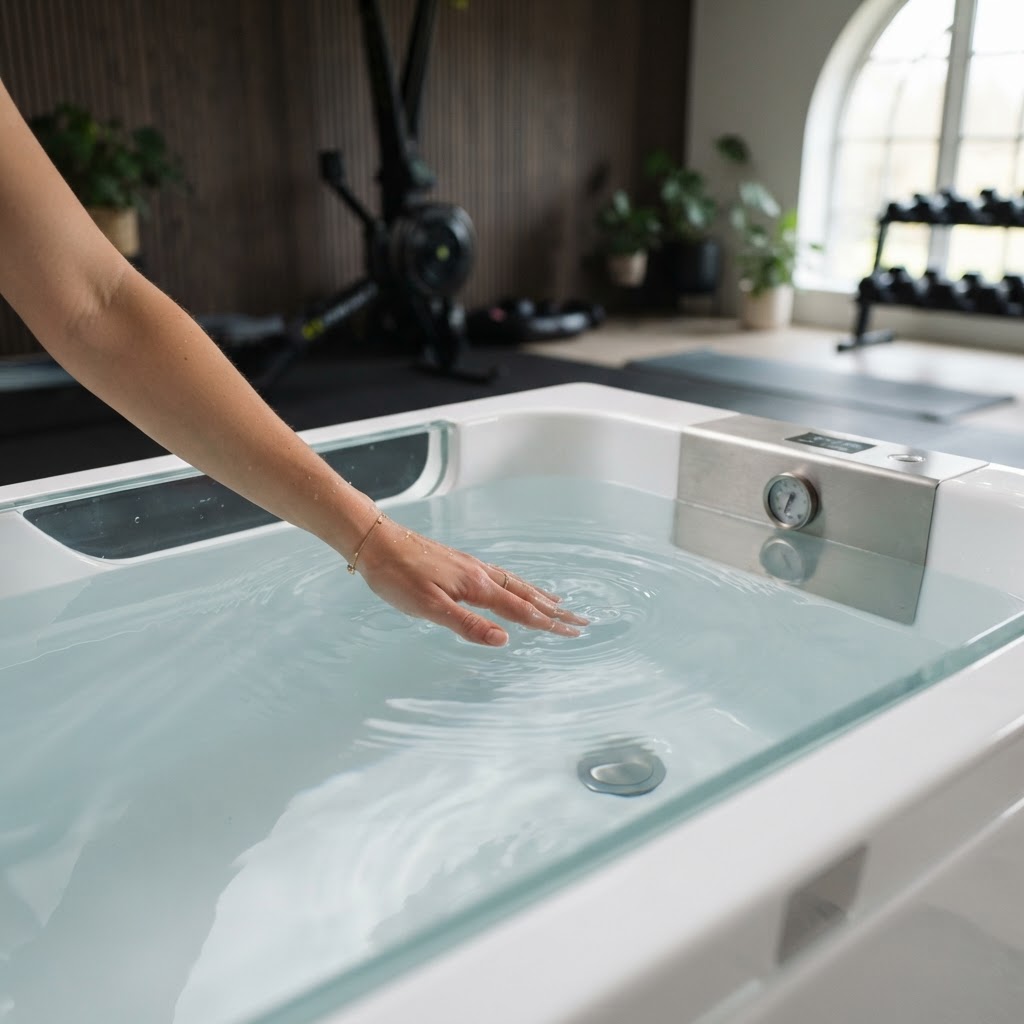
Whether you choose a portable plunge, an inflatable model, or a high-end rigid tub, the consistency of having it available is the greatest asset. You can easily integrate it into your morning routine, following the optimal duration for your goals.
What Is Whole-Body Cryotherapy?
Cryotherapy is a professional service where you step into a chamber that exposes your skin to sub-zero temperatures using liquid nitrogen or cold air. The air temperature can reach as low as -200°F. Because the cold is dry, the sensation is different from water. It is a highly specialized service that you visit, meaning you are limited by the facility's hours, location, and the ongoing costs per session. While effective, it lacks the convenience of a home wellness setup like a hot tub or sauna.
Feature-by-Feature Comparison
Cooling Capacity and Effectiveness
Water conducts heat away from the body roughly 25 times faster than air. This is why a 50°F cold plunge feels more intense and triggers a stronger cold shock response than a 30°F day outside. Cryotherapy relies on extreme dry cold to trigger the body’s cooling defenses. While cryo is excellent for superficial muscle cooling, a cold plunge provides deep tissue cooling, which is often preferred for managing delayed onset muscle soreness (DOMS).
Maintenance and Consistency
The biggest factor in cold adaptation is consistency. With a home setup, your maintenance schedule—including water change, filter cleaning, and sanitizer schedule management—is the only barrier. If you are serious about wellness, check out our guide on cold plunge maintenance to see how easy it is to manage.
Pros and Cons of Cold Plunges
- Pros: Superior cooling efficiency, accessible 24/7 at home, great for breathwork practice, helps build brown adipose tissue, and cost-effective over time.
- Cons: Requires space for a tub, initial setup involves plumbing/electrical, requires water quality maintenance.
Pros and Cons of Cryotherapy
- Pros: Very short sessions (under 3 mins), no maintenance required, dry experience is less intimidating for some.
- Cons: High recurring cost, travel time required, cannot be done on a whim, inconsistent access.
Which Is Right for You?
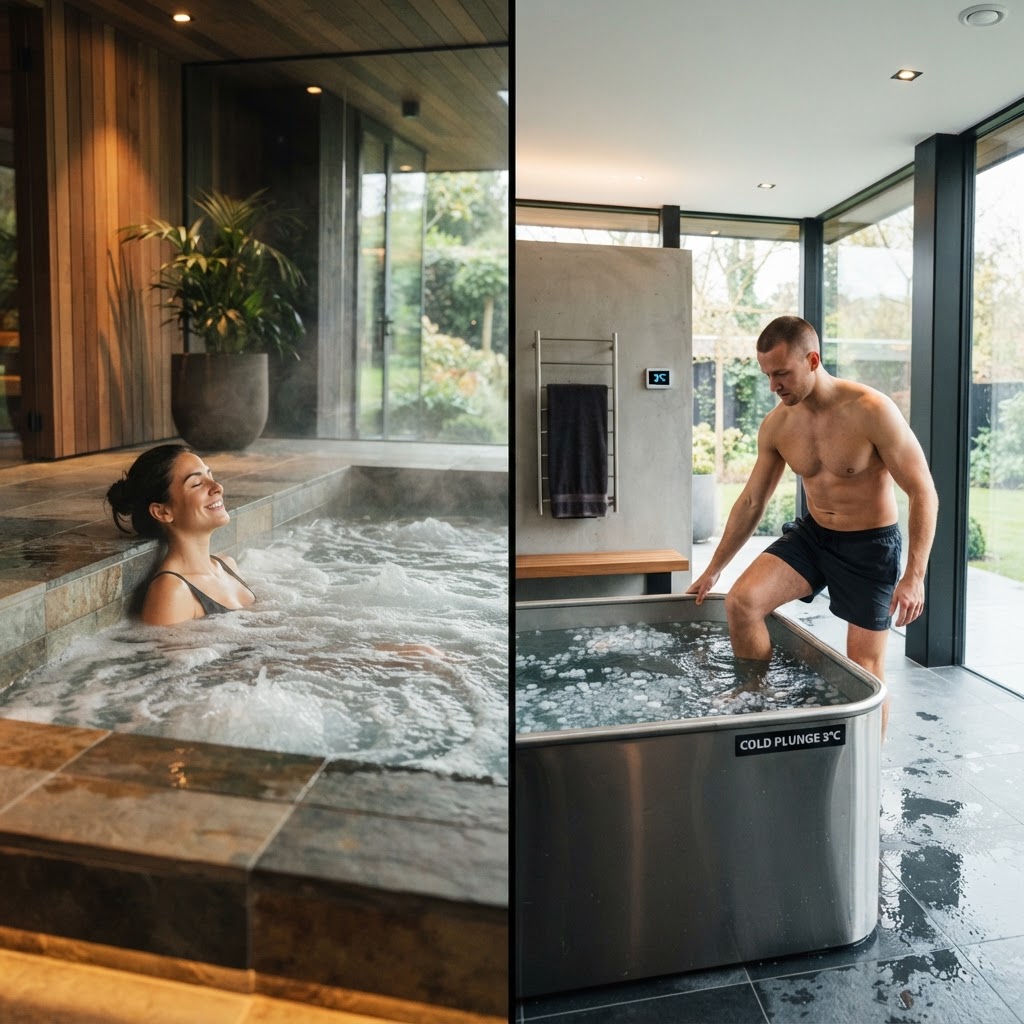
If you value autonomy and want to build a long-term wellness habit, a cold plunge is almost always the superior choice. The ability to jump in after a workout or first thing in the morning encourages true habit formation. For customers in California or Colorado, having a dedicated wellness space with a sauna and a cold plunge is the gold standard of home recovery. To learn more about how these fit into your specific space, read our Home Spas guide.
Related Reading
- Best Cold Plunge Chillers for Consistent Cold Water
- How Cold Should a Cold Plunge Be? A Temperature Guide
- Which Cold Therapy Tubs Fit Your Recovery Routine?
- Understanding Warranties: Saunas, Hot Tubs, and Cold Plunges
FAQ
Is a cold plunge safer than cryotherapy?
Both are safe when used properly. Cold plunges require attention to water chemistry, while cryotherapy requires following the facility's safety protocols strictly.
How cold should my water be for recovery?
Most research suggests 39°F to 50°F is ideal for recovery. Read our full guide on temperature settings for details.
Does a cold plunge replace a hot tub?
They serve different purposes. A cold plunge is for recovery and metabolic health, while a hot tub is for relaxation and hydrotherapy. Many clients combine both for contrast therapy.
Ready to invest in your home wellness?
Building your personal recovery sanctuary is an investment in your longevity. Whether you are ready to shop our Cold Plunges, Saunas, or Hot Tubs, Hearthside Supply provides the equipment you need to perform at your best. For personalized advice, talk to a specialist at +1 (253) 264-2435 or email us at sales@hearthsidesupply.com. We offer nationwide delivery to all 50 states, ensuring your equipment arrives safely and ready for installation.
Ready to invest in your home wellness?
Explore our curated selection of premium saunas, hot tubs, cold plunges, steam showers, and swim spas — with clear specifications, nationwide delivery, and secure checkout.
Keep reading
View all posts
 Cold Plunges
Cold Plunge Temperature: The 50°F Debate Explained
Is 50°F the magic number for cold plunge benefits? We dive into the science of optimal cold therapy temperatures to help you choose the right setup.
Read article
 Cold Plunges
What Is an Ice Bath? Definition, Benefits, and How to Use One
Discover what an ice bath is, how cold water immersion works for recovery, and how to safely incorporate this powerful wellness tool into your daily routine.
Read article
 Cold Plunges
Best Cold Plunge Chillers for Consistent Cold Water
Discover the best cold plunge chillers for your home. We review top models based on cooling power, noise levels, and overall value for your wellness routine.
Read article