
Home Spas That Fit Your Space, Budget, and Wellness Goals
Home Spas That Fit Your Space, Budget, and Wellness Goals — Wellness
The right home spa depends on more than square footage. Learn how to compare hot tubs, saunas, cold plunges, steam showers and swim spas by space, budget and daily use.
A home spa works best when it fits your real life: your available square footage, installation limits, budget and daily wellness routine. The goal is not to buy the largest or most expensive product you can fit. It is to choose a spa experience you will use often, maintain confidently and enjoy for years.
Home spas can mean different things depending on the household. For one homeowner, it is a compact hot tub tucked into a patio corner. For another, it is a steam shower that turns an ordinary bathroom into a daily retreat. Some shoppers want a sauna, cold plunge or swim spa for a more complete wellness zone.
The right choice starts with three practical questions: where will it go, how many people will use it and what do you want it to help you do?
Start With the Wellness Routine You Want
Before comparing products, define the experience you are trying to create. A home spa is a lifestyle purchase, so the best option is usually the one that fits your routine rather than the one with the longest feature list.
Most shoppers fall into one or more of these goals:
- Everyday relaxation: A hot tub or steam shower may be the best fit if your main goal is to unwind at home after work or enjoy a calm evening routine.
- Social soaking: A larger spa makes sense if you often host family, friends or weekend guests.
- Heat bathing: A sauna or steam shower is usually the better path if you prefer a warm, quiet space without full-body immersion.
- Workout recovery: Cold plunges, hot tubs and contrast routines are commonly used by active households to support post-workout recovery and relaxation.
- Low-impact movement: A swim spa can combine water resistance, soaking and year-round backyard use in one larger footprint.
These goals overlap. Many homeowners eventually combine two products, such as a sauna and cold plunge or a hot tub and outdoor shower. If this is your first home spa purchase, start with the routine you know you will use three or more times a week.
Match Home Spas to Your Available Space
Space planning is where many buyers either gain confidence or discover hidden constraints. The product itself is only part of the footprint. You also need room for access, steps, cover clearance, maintenance and safe movement around wet surfaces.
Compact patios, corners and small households
If you have limited patio or deck space, a compact spa can deliver a private soaking experience without taking over the entire outdoor area. A two-person model may work well for couples, empty nesters or homeowners who prefer a quieter setup over a party-size spa.
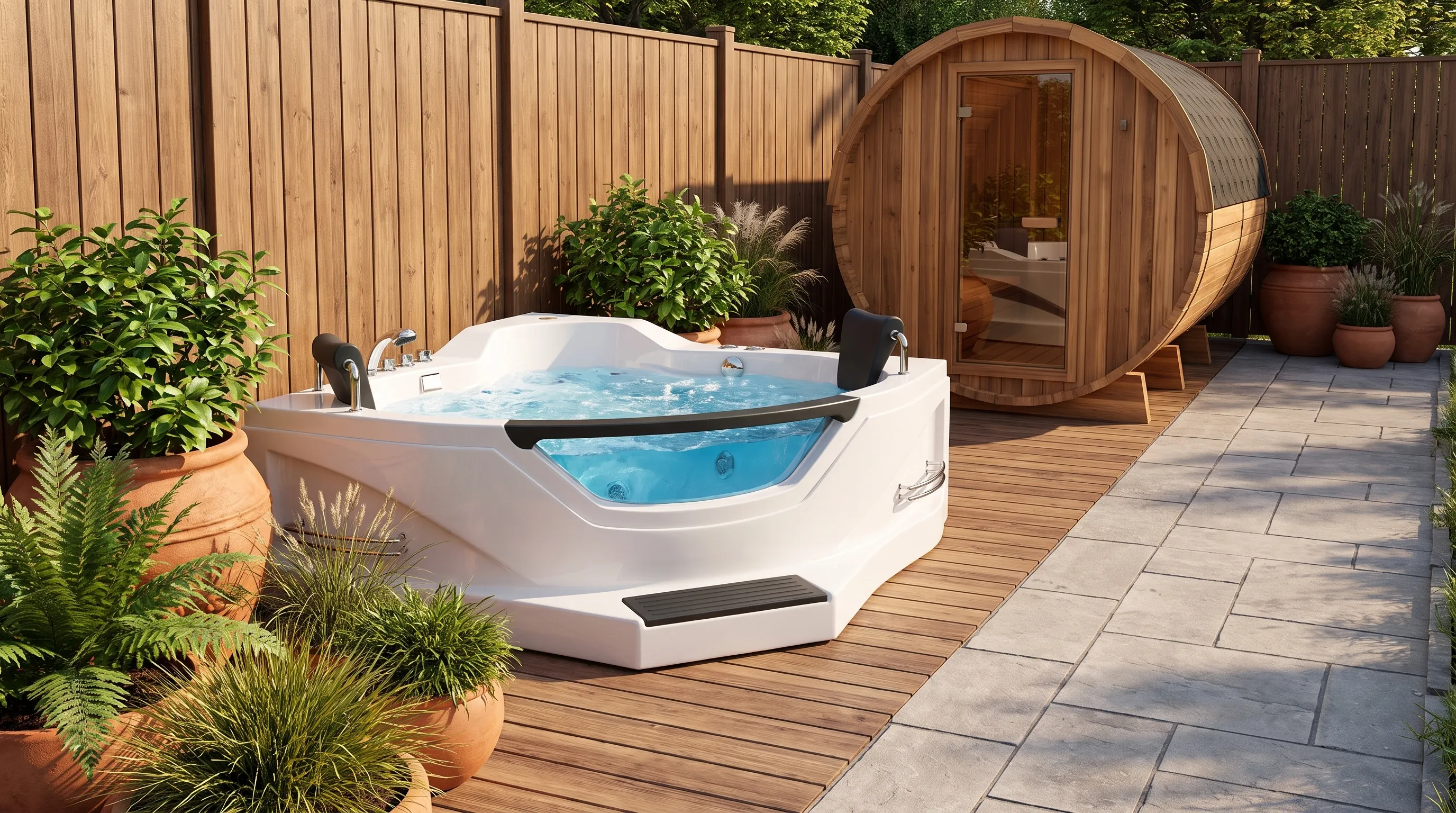
For example, the Luxury Bath Supply Mesa 2 Person Corner Hot Tub BT-084 is worth comparing if your plan centers on a smaller corner layout and seating for two. When evaluating a compact hot tub, measure not only the installation area but also the walking path from the delivery point to the final location.
Larger patios, decks and backyard entertaining zones
If you want a spa for family use or entertaining, plan for a larger footprint and more involved electrical preparation. A six-person spa can make sense for households that expect multiple users at once, but it also requires more attention to the base, access path and service clearance.
A model such as the Liberty Spas Luxury 240V 6 Person Spa LYS6000 belongs on the comparison list if you are planning for a larger group and a 240V setup. For location decisions, Hearthside Supply’s guide to indoor vs outdoor hot tubs can help you think through privacy, ventilation, access and household use patterns.
Bathrooms and interior spa spaces
Steam showers are often the most space-efficient way to bring a spa experience indoors. They are especially appealing when you are already remodeling a bathroom or upgrading a primary suite. The main planning factors are waterproofing, ventilation, electrical work, ceiling height and access for the steam generator.
If this route fits your home, review the practical requirements in Hearthside Supply’s steam shower installation guide before finalizing a bathroom layout. A steam shower is not simply a shower with more vapor. It needs the right enclosure, materials and mechanical planning to perform properly.
Garages, covered patios and recovery corners
Cold plunge tubs are popular with homeowners who want a dedicated recovery routine without committing to the footprint of a swim spa. They are often considered for garages, covered patios, home gyms and sheltered outdoor spaces. The big questions are power access, drainage, water changes, surface durability and comfort in colder months.
If you train regularly, a cold plunge may feel like a natural extension of a home gym. If you are new to cold exposure, it is smart to start conservatively and speak with a healthcare professional if you have cardiovascular concerns, are pregnant or have any condition affected by temperature stress.
Full backyard wellness zones
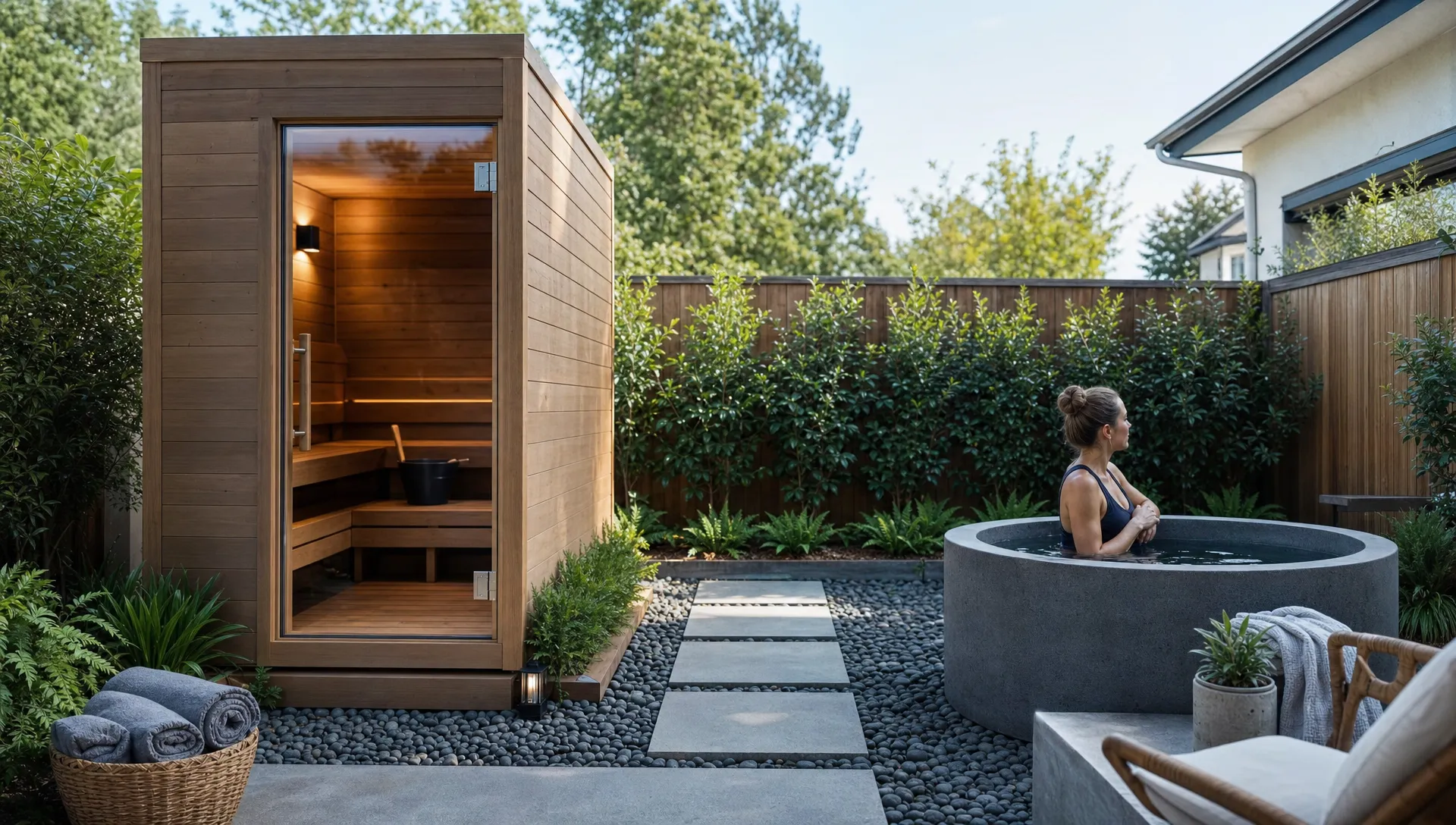
A larger backyard can support a more complete home spa plan: hot tub, sauna, cold plunge, outdoor shower, seating and privacy landscaping. Swim spas require the most space and site preparation, but they can also serve the broadest set of uses when the goal is exercise plus relaxation.
For major backyard projects, think beyond the spa footprint. You may need temporary storage, construction staging or even a small accessory structure for changing, towels or equipment. If your project includes container-based storage or a modified backyard structure, Lease Lane Containers is a useful reference point for understanding shipping container delivery access and placement considerations.
Compare Common Home Spa Options
Each type of home spa has a different space profile, budget profile and daily use case. Use the table below as a starting point before narrowing your shortlist.
| Home spa type | Best fit | Space profile | Budget profile | Key planning factor |
|---|---|---|---|---|
| Hot tub | Relaxation, hydrotherapy and social soaking | Patio, deck, backyard or covered outdoor area | Broad, depending on size and configuration | Level base, electrical planning and service access |
| Sauna | Heat bathing and quiet wellness routines | Indoor room, outdoor structure or backyard zone | Midrange to premium | Heater type, ventilation, clearance and materials |
| Steam shower | Bathroom-based spa experience | Primary bathroom, guest bath or remodel space | Midrange to premium | Waterproof enclosure, ventilation and generator location |
| Cold plunge | Post-workout cooldowns and contrast routines | Garage, home gym, patio or recovery corner | Compact to premium | Drainage, power access and water care |
| Swim spa | Aquatic exercise, soaking and backyard recreation | Larger patio or backyard pad | Premium | Foundation, access path, power and long-term maintenance |
A hot tub is often the easiest category to understand because the experience is familiar: warm water, seats and a place to relax. A sauna or steam shower appeals to shoppers who prefer heat without soaking. A cold plunge is more specialized, while a swim spa is a larger investment for homeowners who want movement and hydrotherapy in one footprint.
Budget Planning: Look Beyond the Purchase Price
The product price is only one part of a smart home spa budget. Delivery, site preparation, electrical work, plumbing, accessories and ongoing maintenance can all affect the total cost of ownership.
A smaller hot tub may require less space, but it still needs a level surface and safe electrical planning. A 240V spa commonly requires a qualified electrician. A steam shower may fit inside an existing bathroom footprint, but waterproofing and ventilation can make the remodel more complex. A swim spa often requires more substantial site planning due to size and filled weight.
| Budget category | What to consider | Why it matters |
|---|---|---|
| Site preparation | Concrete pad, reinforced deck, bathroom remodel or outdoor base | The spa needs a stable and appropriate foundation |
| Electrical work | Dedicated circuits, GFCI protection and licensed installation where required | Electrical planning affects safety and code compliance |
| Delivery access | Gates, stairs, turns, driveway slope and lifting needs | Access constraints can change the installation plan |
| Water care | Filters, chemicals, test strips and cleaning supplies | Ongoing care protects water quality and equipment |
| Energy use | Heating, pumps, covers and seasonal climate | Operating costs vary by product type and usage |
| Accessories | Steps, covers, handrails, privacy screens and towel storage | Small additions can improve comfort and usability |
If you are comparing two products with similar appeal, choose the one with the installation plan you can execute cleanly. A well-placed, easy-to-maintain spa usually delivers more satisfaction than a larger model squeezed into a poor location.
Choose by Wellness Goal
Once you understand your space and budget, focus on the experience you want most. This is where home spas become easier to compare.
Best for daily relaxation
A hot tub is usually the most versatile choice for homeowners who want a reliable relaxation ritual. It can work for solo soaking, couples, family time or quiet evenings outdoors. If you plan to use it throughout the year, pay close attention to cover quality, access from the house and how comfortable the route will be in rain, snow or cold weather.
Steam showers can also support daily relaxation, especially for homeowners who prefer an indoor routine. The advantage is convenience. You do not need to step outside, manage a cover or create a backyard privacy zone.
Best for heat bathing
Saunas and steam showers both create heat-based experiences, but they feel very different. Saunas generally use dry heat, while steam showers create a humid environment. Personal preference matters here. Some people love the dry, quiet feel of a sauna. Others prefer the enclosed moisture of a steam shower after a workout or before bed.
If you are deciding between those two categories, Hearthside Supply’s steam shower vs sauna comparison gives a more detailed look at how each option fits different homes and routines.
Best for workout recovery routines
Cold plunges are commonly used by athletes, runners, lifters and active homeowners as part of a recovery routine. Hot tubs may support relaxation after activity, while cold plunges are often chosen for brief cooldowns. Some households combine hot and cold exposure, but that setup requires more space, a clear safety plan and consistent maintenance habits.
If you are comparing a dedicated cold plunge with a more basic ice bath approach, this guide to cold plunge vs ice bath can help clarify the practical differences.
Best for exercise and family recreation
A swim spa is the strongest fit when your goals include low-impact movement, water resistance and family-friendly recreation. It is also the most space-intensive option in most cases. The best candidates for a swim spa are homeowners who have a suitable backyard area, want year-round aquatic use and are prepared for a more involved installation.
If your main priority is quiet relaxation, a swim spa may be more than you need. If you want exercise, soaking and recreation in one product, it can be a compelling long-term choice.
Practical Planning Checklist Before You Buy
A home spa purchase becomes much easier when you gather the right information before you compare models. Walk your space with a tape measure and take photos from the delivery path, the proposed installation area and the nearest electrical or plumbing access point.
Use this checklist before narrowing your options:
- Measure the final installation area and leave room for access, covers, steps and service panels.
- Confirm whether the surface can support the filled weight of the spa and occupants.
- Check gate widths, stair turns, slopes and overhead obstructions along the delivery route.
- Decide whether you need privacy screens, lighting, handrails or non-slip surfaces.
- Ask a qualified electrician or contractor about power requirements before purchase.
- Plan where towels, robes, cleaning supplies and water care products will be stored.
- Consider how the spa will feel in your local climate during summer, winter and rainy seasons.
- Review return policies, delivery details and product documentation before checkout.
This preparation reduces surprises. It also helps you compare products based on what will actually work in your home rather than what looks appealing in photos alone.
Maintenance and Long-Term Ownership
Every home spa needs maintenance. The amount varies by category, but no spa product is truly set-and-forget. Hot tubs and swim spas require routine water testing, filter care and cleaning. Cold plunges need water management and sanitation. Steam showers need ventilation, surface cleaning and attention to mineral buildup. Saunas require basic cleaning, airflow and care for benches or exterior materials.
Maintenance should not scare you away from a purchase. It should shape the product you choose. If you want the simplest routine, a compact hot tub or steam shower may be easier to manage than a large multi-product wellness zone. If you enjoy outdoor projects and have room for supplies, a larger setup may feel very manageable.
Also think about who will actually handle the routine. A family spa used by several people needs clear expectations for covers, water care and cleanliness. A solo recovery setup may be simpler because one person controls the schedule.
Frequently Asked Questions
What is the best home spa for a small space? A compact hot tub, steam shower or cold plunge is usually the best starting point for a small space. The right choice depends on whether you want soaking, heat or recovery-focused cold exposure.
Are outdoor home spas better than indoor home spas? Outdoor spas are often easier for ventilation, water splash and backyard relaxation, while indoor spas offer convenience and privacy. The better choice depends on your layout, climate, access and willingness to prepare the space properly.
Do home spas require professional installation? Many do, especially products with dedicated electrical requirements, plumbing work, heavy delivery needs or bathroom waterproofing. Always review product documentation and use qualified professionals where required by code.
Which home spa is best for a family? A larger hot tub or swim spa is often the most family-friendly option because multiple people can use it at once. Make sure to compare seating capacity, access, safety features, water care needs and the available space around the unit.
Can I combine a sauna, hot tub and cold plunge at home? Yes, many homeowners create multi-product wellness zones, but it takes more planning. You need enough space, safe walking paths, drainage, electrical capacity, privacy and a maintenance routine you can keep up with.
Bring Your Home Spa Plan Together
The best home spas are not chosen by category alone. They are chosen by fit: the fit with your space, the fit with your budget and the fit with the way you want to relax, recover or spend time at home.
If you want a compact private retreat, compare smaller hot tubs, steam showers and cold plunges. If your goal is family time or entertaining, focus on larger hot tubs and swim spas with the right site preparation. If you want a heat-based ritual, a sauna or steam shower may give you the daily experience you are after without requiring a full backyard project.
When you are ready to compare options, Hearthside Supply offers premium saunas, luxury hot tubs, cold plunge tubs, steam showers and swim spas with secure checkout, nationwide delivery options, transparent pricing and expert support. Start with your space, define your wellness goal and choose the home spa you will be excited to use again and again.
Ready to invest in your home wellness?
Explore our curated selection of premium saunas, hot tubs, cold plunges, steam showers, and swim spas — with clear specifications, nationwide delivery, and secure checkout.
Keep reading
View all posts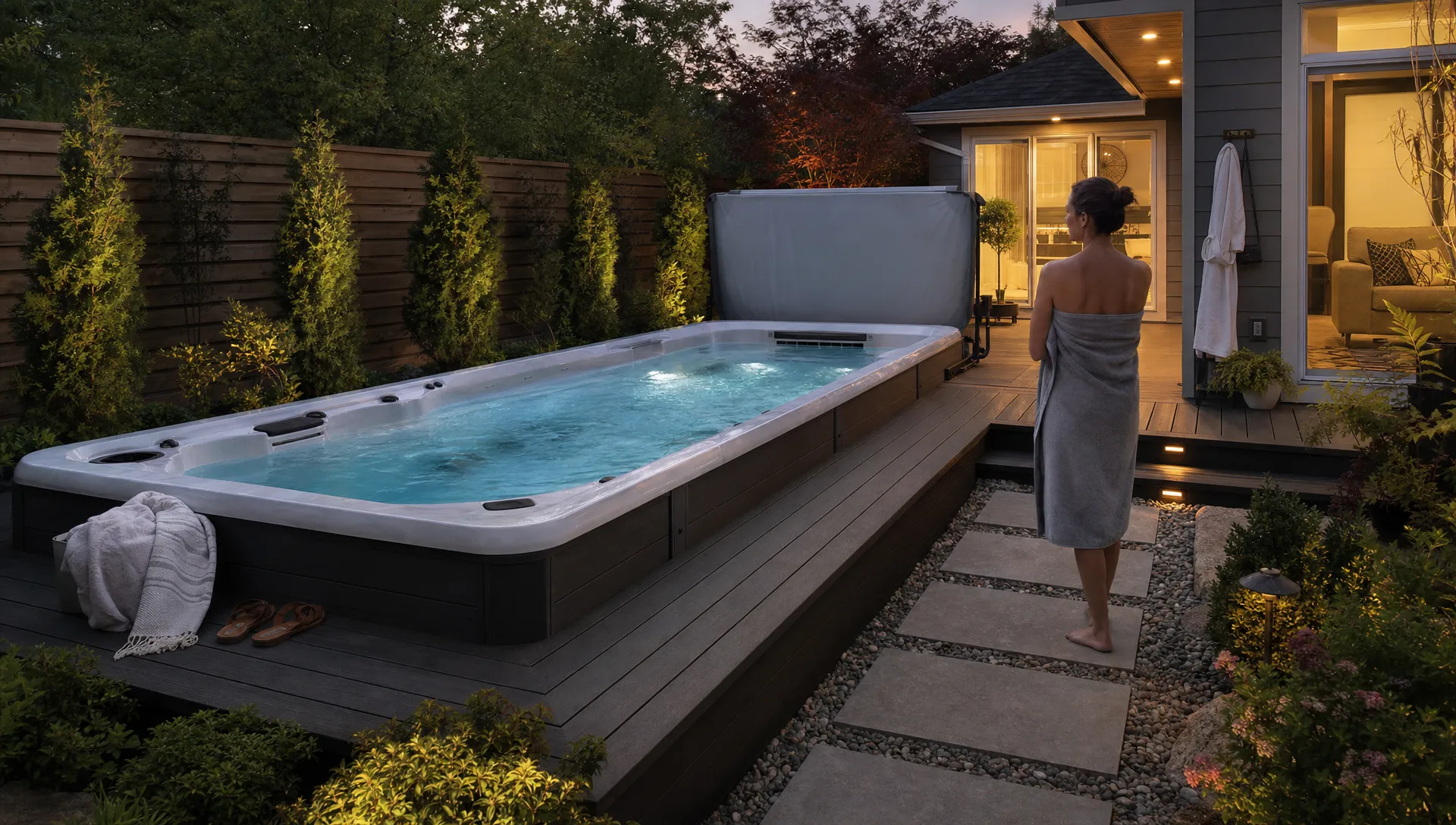 Wellness
Exercise Swim Spa Features for Low-Impact Training
A swim spa can turn a backyard into a compact, low-impact training space. Learn which current, sizing, resistance, safety and maintenance features matter before you buy.
Read article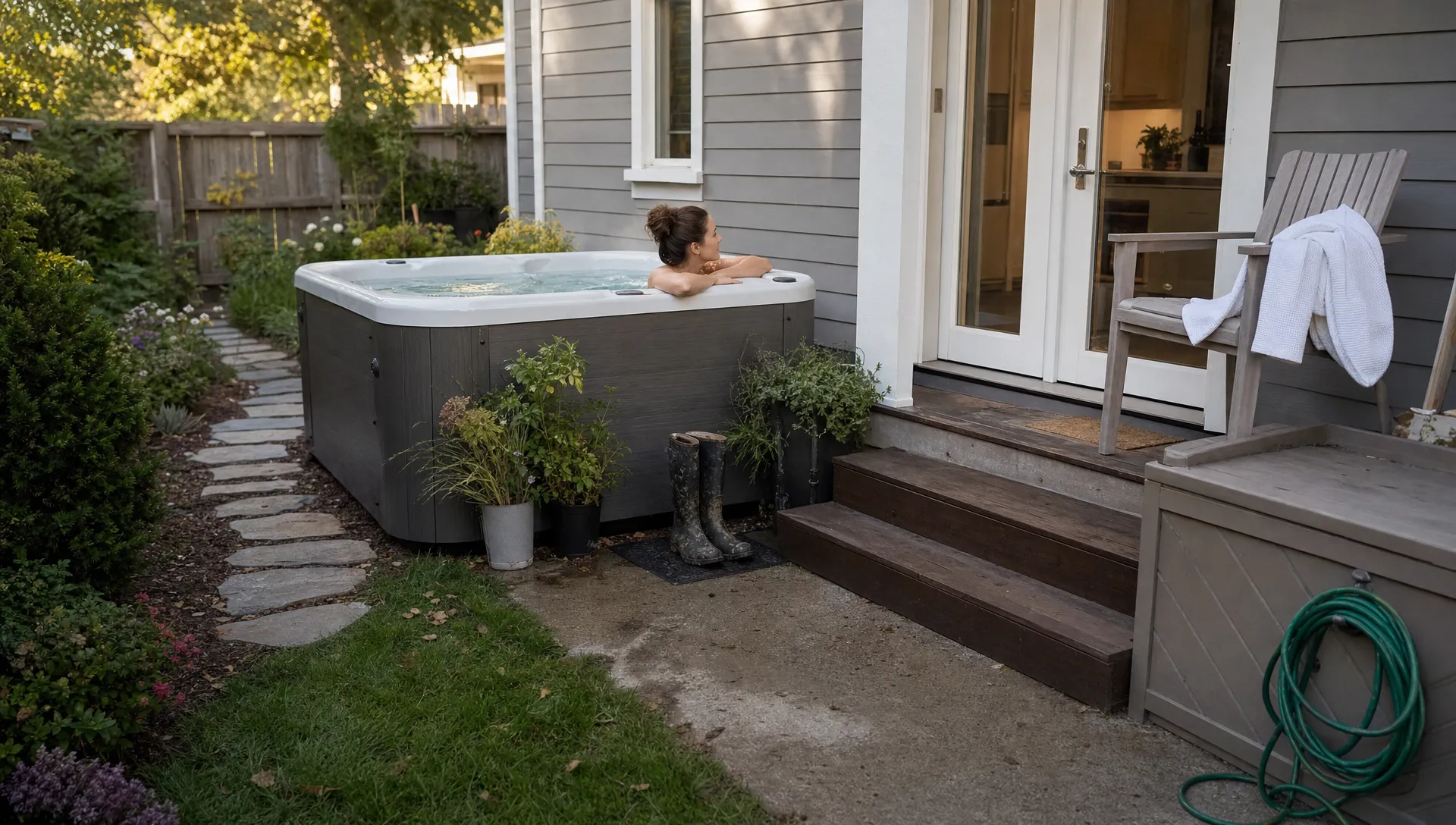 Wellness
How to Choose a Compact Hot Tub for a Small Backyard
A compact hot tub can turn a tight patio or side yard into a practical wellness space. Learn how to measure, compare seating, plan installation and avoid layout mistakes before you buy.
Read article Wellness
Which Cold Therapy Tubs Fit Your Recovery Routine?
The best cold therapy tub is the one that matches how often you recover, where you plan to use it and how much upkeep you want. Use this guide to compare tub styles, setup needs and contrast options before buying.
Read article