
Are Wood Burning Hot Tubs Right for Your Backyard?
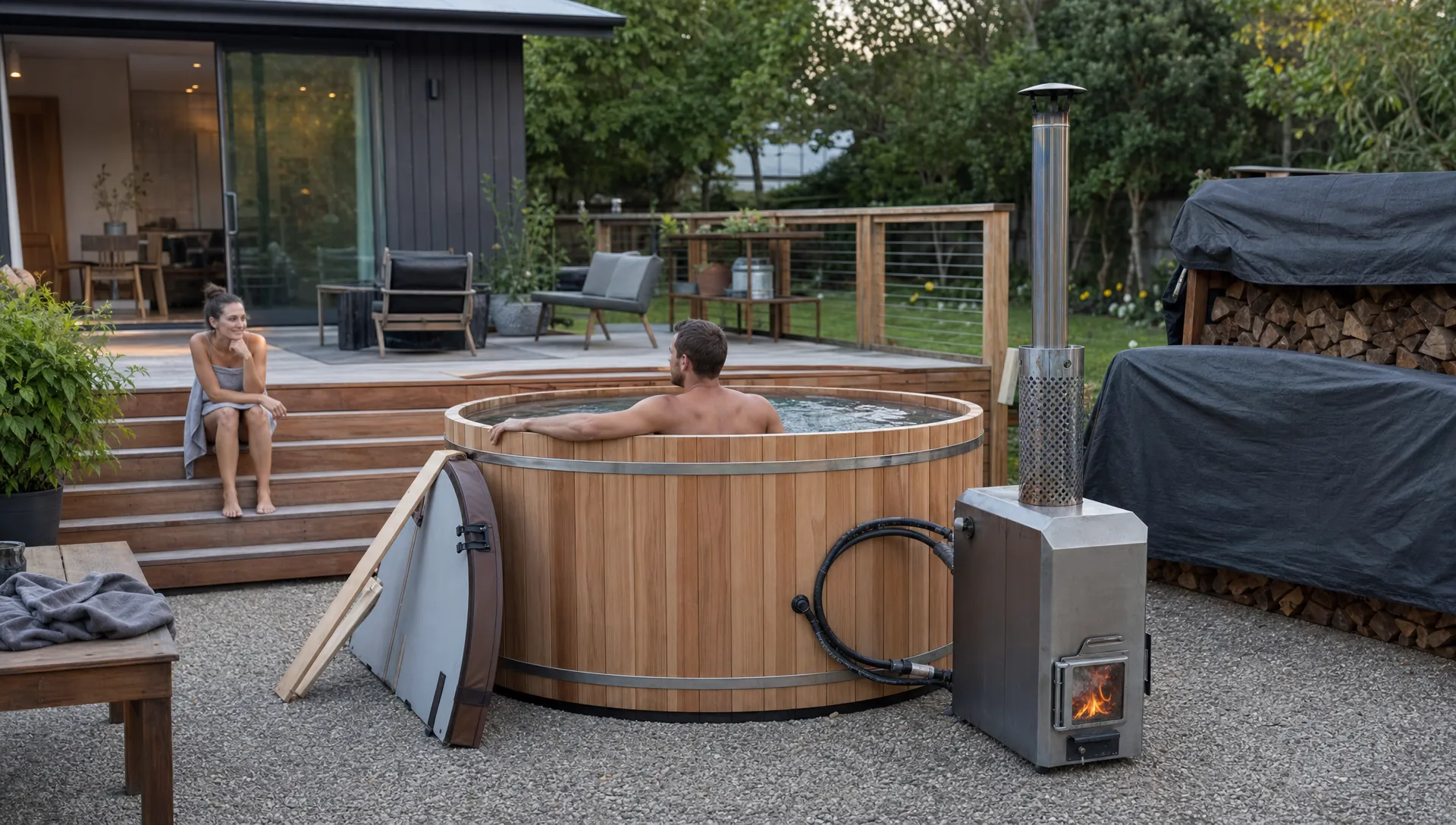
Are Wood Burning Hot Tubs Right for Your Backyard? — Wellness
A wood-fired soak offers a different experience from an always-ready electric spa. Learn how heating time, smoke, sanitation and winter care affect whether it fits your backyard and routine.
wood burning hot tubs can be a good fit for homeowners who enjoy tending a fire, planning a soak and creating a quieter backyard retreat. They are less convenient for anyone who wants hot water on demand, precise automatic temperature control or powerful massage jets without extra equipment.
The biggest buying question is not whether wood heat feels appealing. It is whether the heating routine, smoke, water care and seasonal maintenance suit your property and lifestyle. Choose wood-fired heating for the experience, not on the assumption that it eliminates operating costs or upkeep.
How wood burning hot tubs heat the water
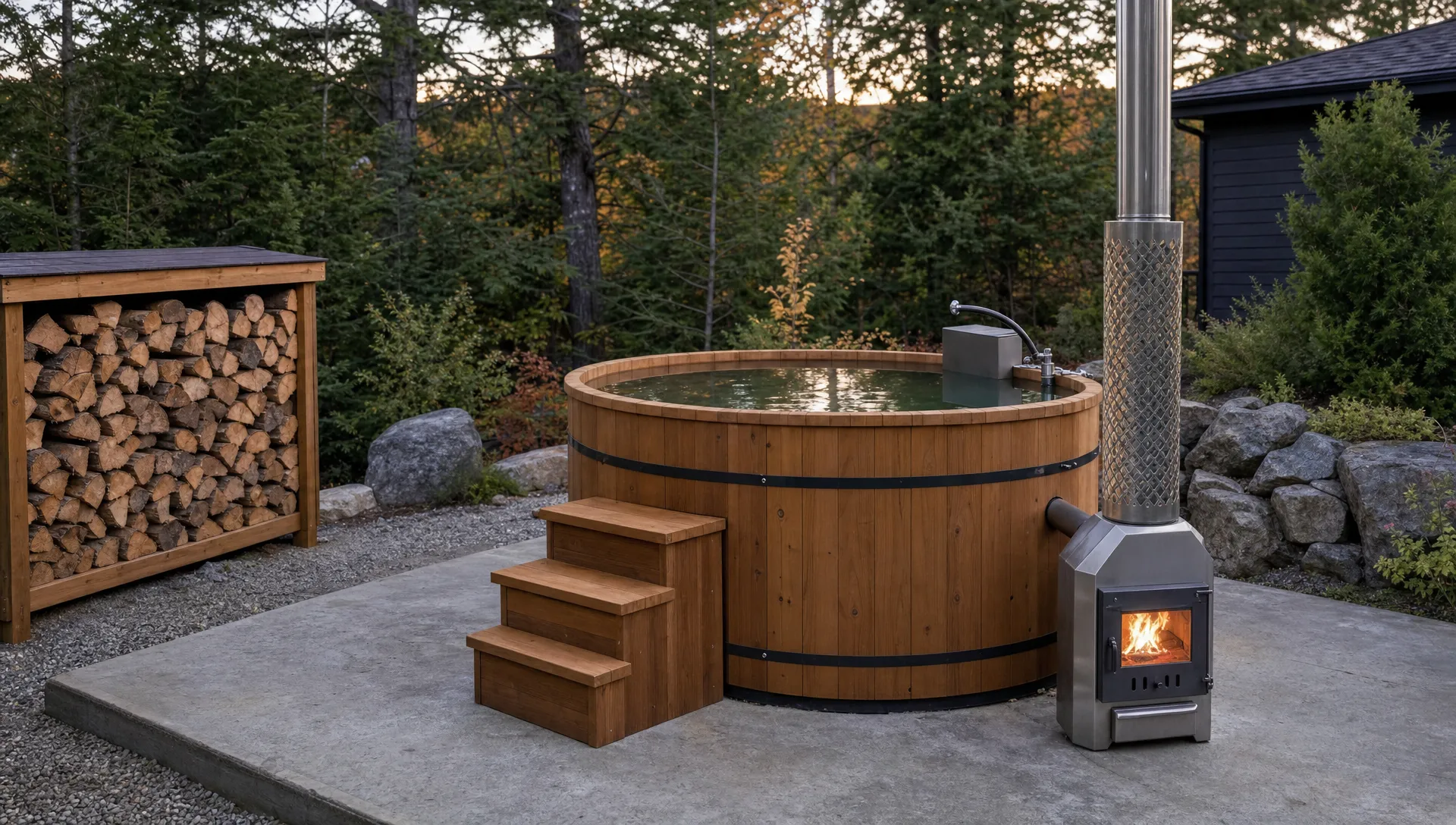
A wood-fired hot tub uses a stove to transfer heat from burning firewood into the bathing water. Depending on the design, the stove sits inside the tub or connects to it through external plumbing.
Some external heaters use thermosiphon circulation, where warmer water rises and cooler water returns to the heater without an electric pump. Other designs use powered circulation. A wood-fired heater therefore does not automatically mean the entire setup operates without electricity.
Internal versus external heaters
An internal, or submerged, stove occupies part of the bathing area. It can simplify the layout by keeping the heater within the tub footprint, but buyers should check usable seating space, protective guards and access for loading wood.
An external stove leaves more of the tub available for seating. It also requires space beside the tub, approved plumbing connections and access for cleaning and maintenance. Exposed connections may need particular attention in freezing weather.
When comparing wood burning hot tubs, check the heater configuration separately from the tub material. A wood-fired model might have an all-wood vessel, a metal interior or an acrylic or composite liner surrounded by wood cladding. Those differences affect cleaning, water treatment compatibility and maintenance.
Wood-fired versus electric hot tubs: which suits your routine?
The most useful comparison is between complete systems, not simply between fuel sources. A basic soaking tub and a fully equipped electric spa may offer very different experiences.
| Buying consideration | Wood-fired setup | Typical electric spa |
|---|---|---|
| Heating routine | Usually requires lighting and tending a fire | Usually uses thermostatic heating |
| Readiness | Often heated ahead of a planned soak | Can maintain a selected temperature when operated as designed |
| Temperature control | May require active monitoring and water mixing | Typically managed through electronic controls |
| Massage features | Jets are not inherent to wood heating | Many models include powered jets |
| Utility needs | Some heating systems work without electricity; accessories may still need it | Requires a suitable electrical supply |
| Ongoing tasks | Fuel handling and stove care, plus water care | Equipment care and water care |
| Neighborhood considerations | Smoke, chimney placement and fire restrictions | Equipment noise and electrical requirements |
If your ideal evening is stepping outside for a short soak after work, an electric model may be the better match. If lighting a fire and waiting for the water to warm are part of the appeal, wood burning hot tubs deserve consideration.
Neither choice is automatically cheaper. Compare models with similar capacity, insulation and features before drawing conclusions about value.
Is your backyard suitable for a wood-fired setup?
A stable base and enough service space
Plan for the weight of the filled tub, heater and bathers. An existing deck should not be assumed suitable without a structural assessment. Ground-level installations also need a base that meets the manufacturer's requirements and remains stable through local weather conditions.
Measure more than the tub itself. Include steps, cover removal, stove access, chimney clearances and any external plumbing. You should be able to load fuel and maintain equipment without squeezing between hot surfaces and a fence.
Hearthside Supply’s guide to preparing for hot tub installation covers broader delivery and site-planning considerations that also matter here.
Safe clearances and a practical smoke path
A location that works for an electric spa may not work for a wood stove. Combustible fencing, branches, decking and nearby structures can constrain placement. Follow the heater’s installation instructions and confirm applicable requirements with your local building or fire authority.
For wood burning hot tubs, smoke is also a neighbor consideration. Look at nearby windows, seating areas and prevailing winds before choosing a location. Even well-managed fires can create smoke, particularly during lighting or refueling.
Use only an approved outdoor installation. Do not place a wood-fired heater in a garage, enclosed patio or improvised shelter that conflicts with ventilation or clearance requirements.
Water access, drainage and local restrictions
You need a practical way to fill the tub and discharge water in accordance with local rules. Repeated filling may be less convenient on properties with limited water availability or seasonal restrictions.
Check burn bans, air-quality restrictions, permit requirements and HOA rules before buying. Backyard heating equipment is not necessarily exempt from local wood-burning restrictions. If fires are prohibited during the season when you want to soak, the tub may not suit your intended use.
Heating time matters more than a headline claim
There is no universal heat-up time. Starting water temperature, water volume, heater output, insulation, wind and fuel condition all influence how long preparation takes.
Ask the seller what conditions support any advertised heating time. A result measured with relatively warm starting water does not tell you how the same tub performs with cold well water on a windy winter evening. Clarify whether the stated time means an initial warm-up or reheating previously warmed water.
Owners of wood burning hot tubs generally need to allow time for lighting, tending the fire and checking the water before bathing. If that preparation feels like a chore rather than part of the experience, consider an automatically heated alternative.
Temperature may also be uneven before the water is properly circulated or mixed. Follow the manufacturer's instructions, check with a reliable thermometer and remember that residual heat can continue warming the water after you reduce the fire.
The CDC’s hot tub safety guidance says water should not exceed 104°F, or 40°C. That is an upper limit, not a target every bather should use.
What should you budget beyond the purchase price?
Compare the complete installed cost and the work required to operate the tub. A low equipment price can be offset by site preparation, missing accessories or a maintenance routine that does not fit your schedule.
Installation and equipment costs
Request a written breakdown covering the tub, heater, chimney components, cover, delivery and any required assembly. Establish which parts are included and which must be purchased separately.
Additional expenses may include a suitable base, professional installation, electrical work for optional equipment and safe access around the tub. Do not assume a cover, filtration system or freeze-protection equipment comes with the model.
Fuel, water and your time
The running cost of wood burning hot tubs depends on local firewood prices, how frequently you soak and whether the design retains treated water between uses or calls for draining and refilling.
Dry firewood storage takes space, and stove cleaning takes time. Follow the heater’s fuel instructions rather than using treated lumber, household waste or unsuitable fuels. Include water, compatible treatment products and replacement parts in your comparison.
Ask for model-specific operating information instead of relying on a generic claim that wood is cheaper than electricity. Your climate, utility rates and usage pattern determine the outcome.
Water care and winter maintenance are not optional
Wood heat does not replace sanitation
Heating the tub to a comfortable soaking temperature does not make the water sanitary. Filtration, where fitted, also does not replace appropriate disinfection.
Water-care requirements for wood burning hot tubs vary with the vessel material and equipment. Before buying, obtain written instructions for compatible sanitizers, testing, cleaning and water replacement. Do not assume that a treatment recommended for an acrylic electric spa is suitable for an all-wood tub.
A drain-and-refill routine still requires cleaning the bathing surface and following the manufacturer's hygiene instructions. Keeping water between sessions requires an appropriate treatment plan, even when it looks clear.
For models designed around a conventional treated-water system, Hearthside Supply’s beginner hot tub maintenance guide provides useful background. The specific tub and heater manuals should govern your routine.
Freezing weather requires a model-specific plan
Water can remain in heater passages, valves and connecting pipes after the tub appears empty. Freezing can damage these components, so confirm the complete winterization procedure before purchase.
Do not assume occasional fires will protect an idle system through freezing weather. Ask whether the model supports year-round operation in your climate and what equipment or maintenance that requires.
Never fire a heater without the water level and circulation its manufacturer requires. Likewise, follow the shutdown procedure before draining; a hot stove and an emptying water circuit are not a safe combination.
Questions to resolve before placing an order
The best purchase decision comes from the actual manual and specification sheet, not a rustic product photo. Before choosing wood burning hot tubs over electric alternatives, get clear answers to these questions:
- Usable capacity: How many adults fit comfortably once the stove, benches and safety guards are accounted for?
- Heating performance: What starting temperature, water volume and weather conditions support the advertised heat-up time?
- Complete equipment: Are the heater, chimney, cover, fittings and any water-care equipment included?
- Installation requirements: What base, clearances, plumbing arrangement and electrical supply does this specific model require?
- Maintenance compatibility: Which sanitizers and cleaning methods are approved for the vessel and heater?
- Cold-weather use: What is the winterization procedure, and is year-round operation supported in your climate?
- Ownership support: What do the written warranty, return conditions and replacement-parts availability cover?
Also confirm delivery access and unloading responsibilities. A tub reaching your driveway is not the same as having it positioned and ready to use.
Frequently asked questions
Do wood-fired hot tubs need electricity? Some heaters operate through natural circulation without an electric pump. Others need powered circulation, and optional filtration, lighting or jets may require electricity. Check the complete model specification rather than assuming wood fuel means an off-grid installation.
Are wood burning hot tubs cheaper to run? Not necessarily. Fuel prices, insulation, climate, water replacement and frequency of use all affect cost. Compare the full operating routine with a similarly sized electric model, including water treatment and maintenance rather than fuel alone.
Can I use one during winter? Only if the model and installation support your conditions. Confirm freeze protection, heater and pipe drainage, safe winter access and any local burning restrictions. A wood-fired heater does not automatically protect the system when it is unattended.
Do wood-fired models have massage jets? Some designs may offer powered accessories, but wood heating itself does not provide massage jets. If hydrotherapy-style seating and adjustable jets are priorities, verify those features explicitly or compare equipped electric spas.
What safety issues matter most? Control access to the water, supervise children, protect bathers from hot stove surfaces and follow fire clearances. Use a thermometer and follow bathing guidance. The CDC advises that children younger than five should not use hot tubs and that alcohol should be avoided before and during use.
Choose the heating routine you will actually enjoy
A wood-fired tub is worth considering when you have suitable outdoor space, reliable fuel access and an appetite for hands-on preparation. An electric spa is often a better fit when quick access, automated heating and massage features matter more.
Explore Hearthside Supply’s home wellness selection to compare available options. Before committing to a wood-fired model, confirm availability and obtain its installation and maintenance documentation so the backyard experience matches your expectations.
Ready to invest in your home wellness?
Explore our curated selection of premium saunas, hot tubs, cold plunges, steam showers, and swim spas — with clear specifications, nationwide delivery, and secure checkout.
Keep reading
View all posts
 Wellness
Steam Showers for Skin Health: The Ultimate Maintenance Guide
Discover how steam showers support skin health and learn the essential maintenance steps to keep your home spa functioning at peak performance.
Read article
 Wellness
Cold Plunge Therapy: The 2026 Wellness Trend Explained
Discover why cold plunge therapy is the defining 2026 wellness trend. Learn the benefits, safety tips, and how to choose the right gear for your home recovery.
Read article Wellness
Acrylic Hot Tubs vs Other Shell Materials
Shell material affects more than appearance, but it does not tell the whole story about spa quality. Compare comfort, durability, maintenance and ownership costs to choose a hot tub that fits your home and budget.
Read article