
The Complete Cold Plunge Guide: Benefits, Buying, and Protocols

The Complete Cold Plunge Guide: Benefits, Buying, and Protocols — Buying Guides
Discover everything you need to know about cold plunges. From health benefits and temperature protocols to buying tips for 2026, this is your ultimate guide.
Introduction to Cold Plunge Therapy
Cold water immersion, commonly known as the cold plunge, has transitioned from an elite athletic secret to a staple of modern home wellness. Whether you are seeking improved recovery times, a mental health boost, or reduced inflammation, integrating cold therapy into your daily routine offers profound physiological advantages. This complete cold plunge guide is designed to serve as your definitive resource for navigating the market, understanding the science, and establishing safe, effective protocols for 2026 and beyond.
At Hearthside Supply, we recognize that investing in a cold plunge is a significant decision. Whether you are looking at premium cold plunges or more compact, entry-level solutions, understanding the technology behind the chiller, the importance of insulation, and the total cost of ownership is essential. We provide nationwide shipping to all 50 states, including customers in California and Florida, ensuring you receive white-glove support from start to finish.
Understanding the Science: Why Cold Plunge?
Cold exposure triggers a systemic response that goes beyond mere skin-level cooling. When you submerge yourself in water typically ranging from 40°F to 55°F, your body initiates a fight-or-flight response that, when managed correctly, builds resilience. For a deeper look at the fundamental benefits and how to safely start your journey, read our guide on what is a cold plunge.
Beyond physical recovery, many users utilize cold therapy to manage daily stress. The mental clarity achieved through breathwork during a cold session is often reported as the most significant benefit. If you are comparing different recovery modalities, our analysis of cold plunge vs cryotherapy provides an expert look at which method best suits your lifestyle.
Types of Cold Plunges and Buying Tiers
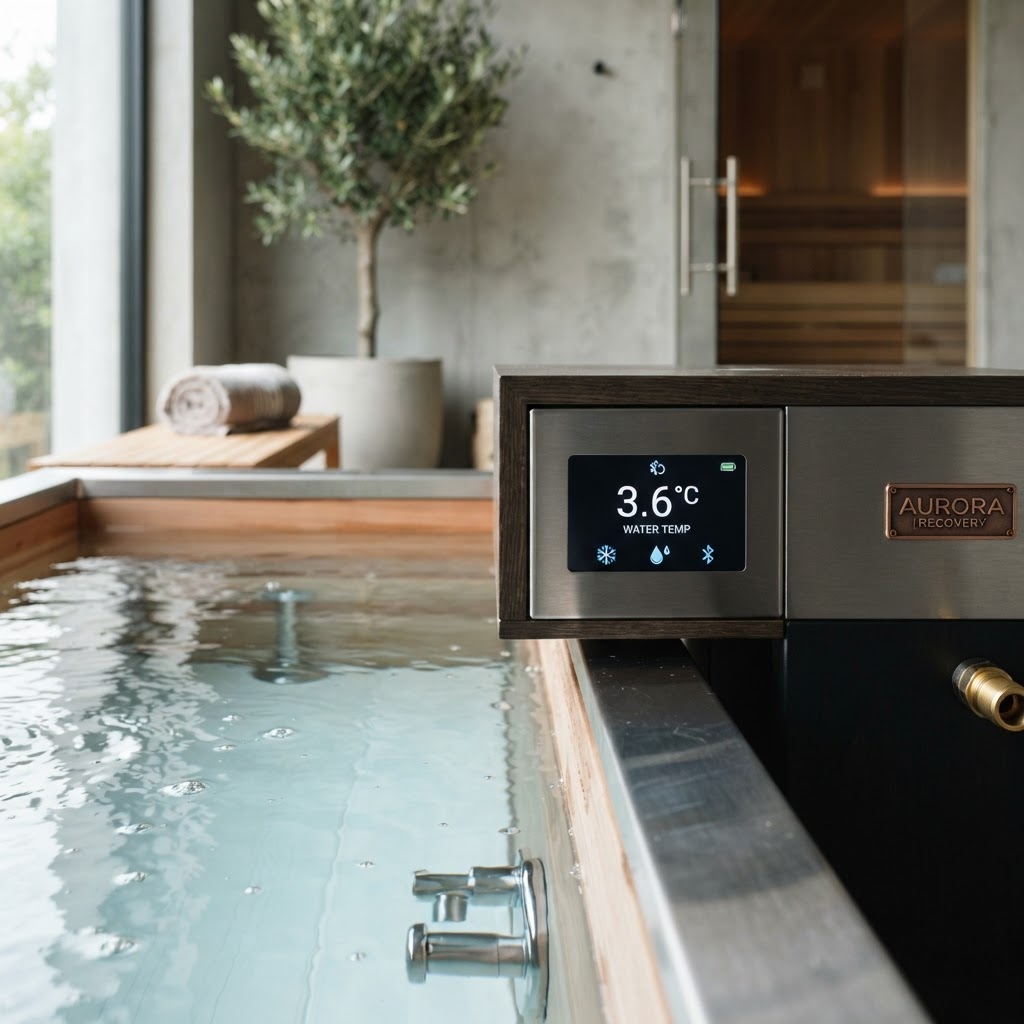
Choosing the right unit depends on your space, budget, and frequency of use. We categorize these into three distinct tiers: entry-level, mid-range, and premium luxury. For a detailed breakdown of components like chillers and temperature ranges, refer to our cold plunge buying guide.
- Entry-Level: Often portable or inflatable, these are cost-effective but may require more manual maintenance.
- Mid-Range: Durable acrylic or composite tubs with integrated, reliable filtration and chilling systems.
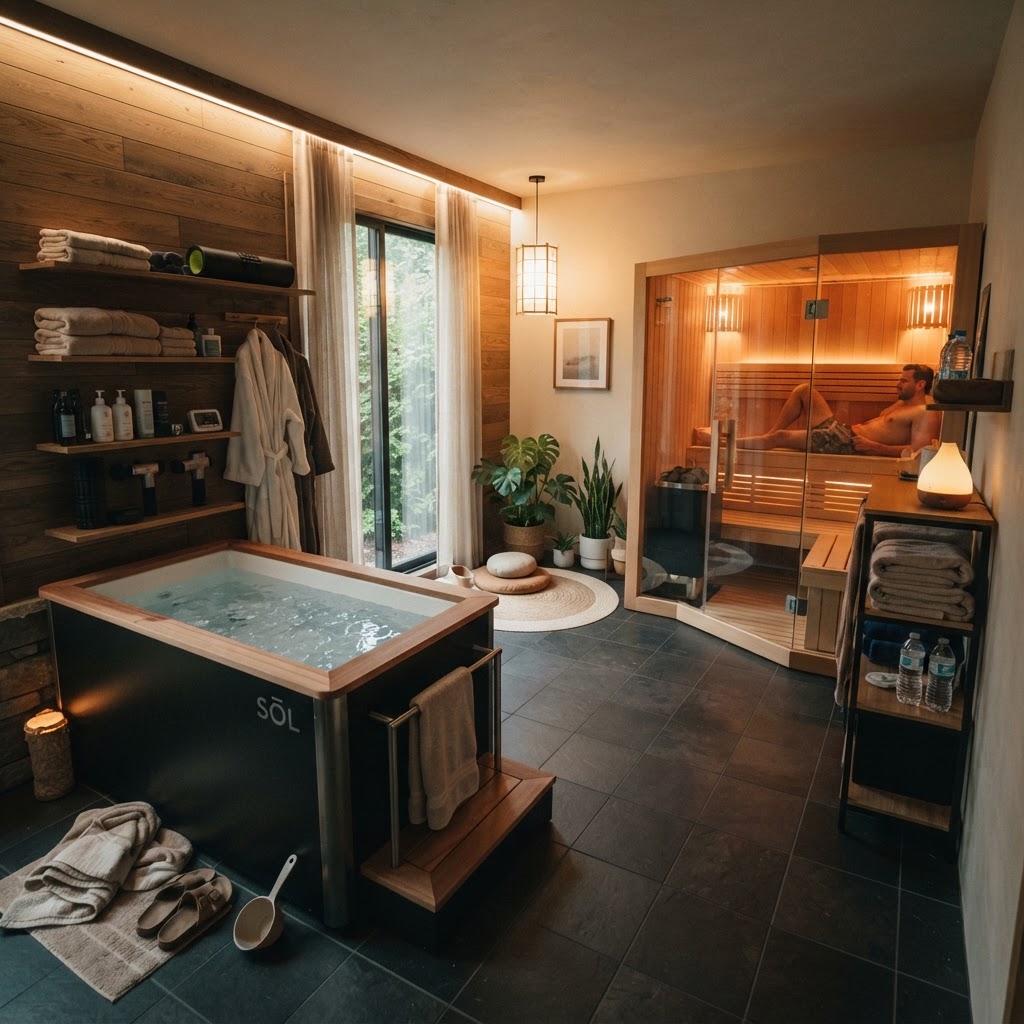
- Premium: Luxury units featuring advanced water sanitization, aesthetic design, and superior energy efficiency, often ideal for integrated home wellness suites alongside your sauna.
Key Considerations: Installation and Ownership
Before purchasing, it is critical to understand the technical requirements of your space. Most residential units require specific site preparation, including level foundations and access to power. Unlike the complex installation of steam showers, cold plunges are often simpler, but they still require attention to electrical requirements and drainage.
Always verify your site's access. Many of our units ship via freight delivery with lift-gate service options. Review our delivery and shipping policy to ensure you are prepared for arrival. If you are balancing multiple wellness investments, read our guide on how to finance a major home wellness purchase to explore your payment plan options.
Maintenance and Longevity
A high-quality cold plunge is a long-term investment. Proper water care—including the use of appropriate chemicals and regular filter changes—is vital to maintaining water clarity and hygiene. For those debating the best environment for their unit, our article on indoor vs outdoor cold plunges covers critical placement and insulation factors.
Related Reading
- The Ultimate Home Wellness Guide: Saunas, Spas & Recovery
- Cold Plunge FAQs: Safety, Temperature, and Benefits Explained
- Cold Plunge Temperature: The 50°F Debate Explained
- What Is an Ice Bath? Definition, Benefits, and How to Use One
Frequently Asked Questions
How cold should my plunge be?
While the "50°F debate" is common, most physiological benefits are observed between 40°F and 55°F. Start where you feel challenged but safe.
How long should I stay in the water?
For beginners, 1–3 minutes is the standard recommendation. Consistency is more important than duration.
What are the electrical requirements for a chiller?
Most residential chillers operate on a standard 120V outlet, but always check the specific spec sheet of your chosen model.
Do you offer warranty support?
Yes, all our products come with comprehensive coverage. Review our warranty page for details on manufacturer protections.
Ready to invest in your home wellness?
Transform your recovery routine today. Explore our full range of Cold Plunges, Saunas, Hot Tubs, and Swim Spas to create the ultimate home sanctuary. If you need assistance selecting the perfect model for your home or have questions about delivery to your area, please talk to a specialist by calling us at +1 (253) 264-2435 or emailing sales@hearthsidesupply.com.
Ready to invest in your home wellness?
Explore our curated selection of premium saunas, hot tubs, cold plunges, steam showers, and swim spas — with clear specifications, nationwide delivery, and secure checkout.
Keep reading
View all posts
 Buying Guides
The Complete Swim Spa Buying Guide: Currents, Costs, and Considerations
Discover everything you need to know about swim spas in our comprehensive guide. From choosing the perfect model to installation and maintenance, we cover it all.
Read article
 Buying Guides
Best Home Saunas for Small Spaces in 2026: A Compact Buyer's Guide
Discover the best small sauna options for your apartment, condo, or cozy home in 2026. We review top compact models, features, and installation tips.
Read article
 Buying Guides
Best Swim Spas for Small Backyards in 2026: A Compact Buyer's Guide
Discover the best swim spa for a small yard in 2026. We rank top compact models, covering pricing, installation, and energy efficiency for limited spaces.
Read article