
Cold Plunge Buying Guide: Chillers, Tubs, and Temperature Range

Cold Plunge Buying Guide: Chillers, Tubs, and Temperature Range — Buying Guides
Ready to invest in recovery? Our cold plunge buying guide covers everything from chiller power and insulation to choosing the perfect ice bath tub.
Introduction to Cold Water Therapy
Cold water immersion has transitioned from an elite athletic secret to a staple of modern home wellness. Whether you are a professional athlete seeking recovery or a busy professional looking to boost daily energy, investing in a high-quality cold plunge system is a game changer. However, navigating the market can be overwhelming. This cold plunge buying guide is designed to provide you with the technical expertise, budget considerations, and feature breakdowns needed to make an informed decision for your home.
For those new to the practice, understanding the fundamentals is critical. We recommend reading our Ultimate Home Wellness Guide: Saunas, Spas & Recovery to see how a cold plunge integrates into your broader health routine. When you are ready to explore specific units, browse our full selection of Cold Plunges to compare top-tier models.
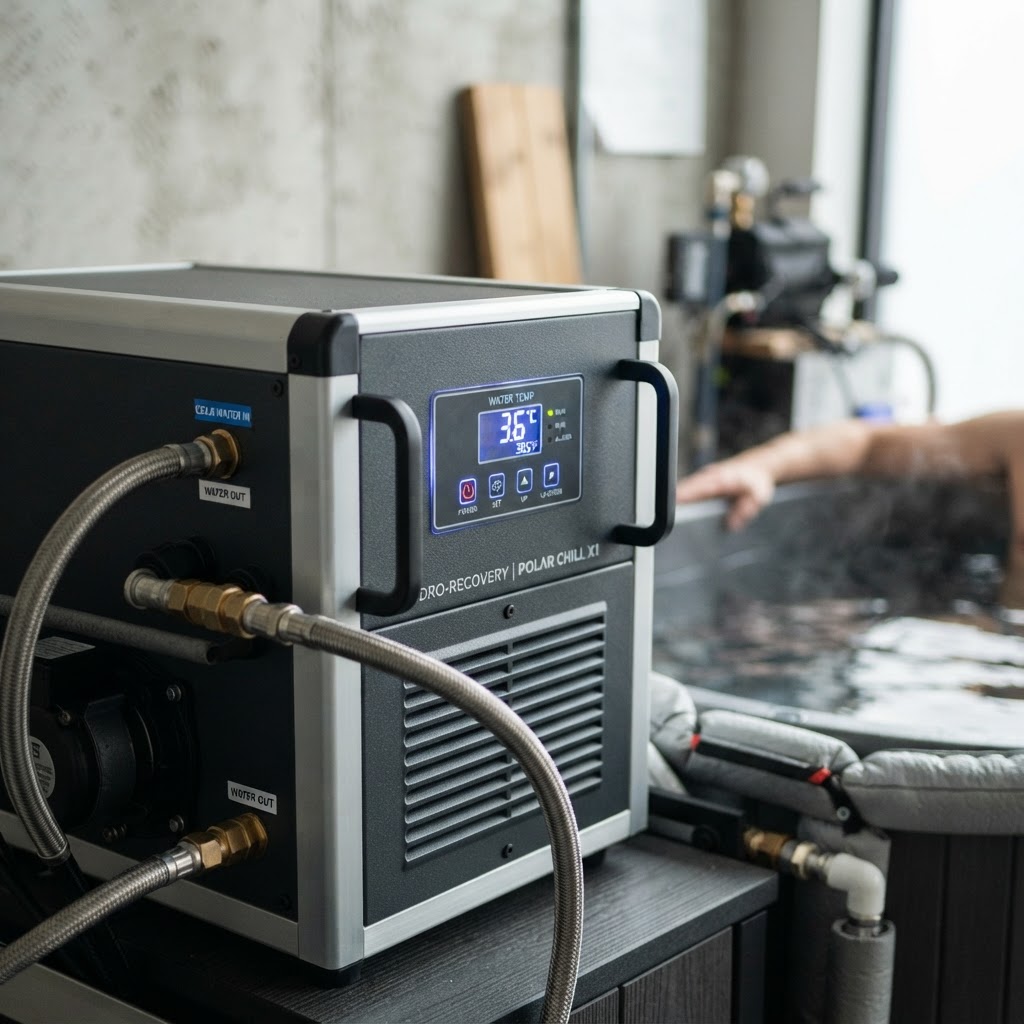
What to Look For: The Core Components
When selecting your setup, you are essentially buying two distinct pieces of hardware: the container (the tub) and the cooling system (the chiller). A common mistake is prioritizing the aesthetics of the tub over the performance of the chiller. A high-performance cold plunge chiller is the heart of your experience; it determines how quickly you can drop the water temperature and how reliably it stays there.
The Chiller Power Factor
Not all chillers are created equal. You must consider the cooling capacity, often measured in horsepower (HP). A more powerful chiller will reach your target temperature faster and maintain it even in warmer climates or during extended usage. If you live in warmer regions, such as Florida or California, a robust, high-BTU chiller is essential to counteract ambient heat gain.
Tub Insulation and Materials
The insulation of your ice bath tub directly impacts your energy cost and daily convenience. A well-insulated tub minimizes heat transfer, meaning your chiller works less, ultimately lowering your monthly cost of ownership. Look for double-walled construction and high-density foam insulation for the best thermal efficiency.
Size, Capacity, and Footprint
Before purchasing, carefully measure your available space. Consider the weight of the unit when full, especially if installing on a deck or patio. You will also want to account for the footprint required for the chiller unit itself, which often requires adequate ventilation. Understanding your spatial constraints is similar to planning for other major units; check our Hot Tub Installation: What to Know Before Delivery Day guide for tips that apply to most heavy wellness equipment.
Budget Considerations and Total Cost of Ownership
Your investment goes beyond the upfront sticker price. When evaluating budget tiers, consider the following:
- Entry-Level: Often includes portable tubs and basic cooling setups. Great for beginners, but may have higher ongoing energy costs.
- Mid-Range: Features better insulation, more durable pumps, and integrated filtration systems.
- Premium/Luxury: Offers quiet operation, sleek aesthetics, advanced filtration, and industry-leading warranties.
Always factor in your total cost of ownership, including electricity and regular maintenance supplies. For those looking to manage the cost of a significant upgrade, learn How to Finance a Major Home Wellness Purchase to keep your wellness goals within reach.
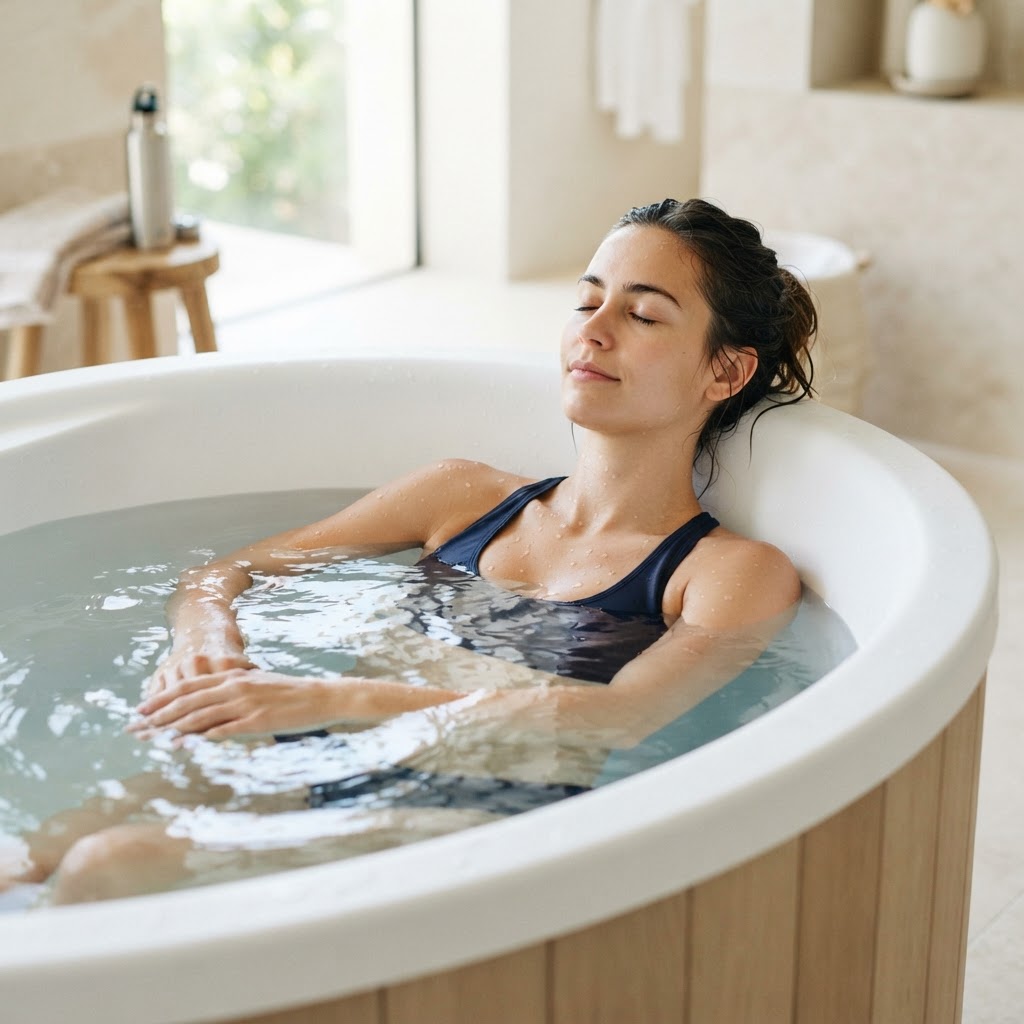
Common Mistakes to Avoid
One of the most frequent errors buyers make is failing to check electrical requirements. Most professional-grade chillers require a dedicated circuit. Verify the spec sheet of your chosen unit before finalizing your site prep. Another mistake is overlooking long-term support; always check if the manufacturer offers clear Warranty coverage and responsive Customer Support.
Related Reading
Continue your research with these essential resources:
- What is a Cold Plunge: Definition, Benefits, and How to Start
- Cold Plunge FAQs: Safety, Temperature, and Benefits Explained
- Cold Plunge Temperature: The 50°F Debate Explained
- Indoor vs Outdoor Cold Plunges: Placement and Insulation Guide
FAQ
How often should I change the water in my cold plunge?
Depending on your usage and the quality of your filtration system, you should typically change your water every 2 to 4 weeks. Utilizing proper water chemistry or ozone/UV sanitation systems can extend this duration significantly.
Do I need professional installation?
Many units are designed for easy setup, but larger or permanent installations may benefit from professional plumbing or electrical expertise. Always review our Delivery & Shipping options if you require specialized, white-glove assistance.
What is the ideal temperature for a cold plunge?
While many beginners start around 55°F, experienced users often aim for the 40°F–50°F range. Consistency is more important than extreme cold, so choose a range you can sustain safely.
Ready to invest in your home wellness?
At Hearthside Supply, we provide premium home wellness solutions to help you achieve your recovery goals. From Cold Plunges and Saunas to Hot Tubs, Steam Showers, and Swim Spas, we have everything you need to build your sanctuary. If you have questions about specific units or require guidance on your purchase, please Contact Us directly at +1 (253) 264-2435 or email us at sales@hearthsidesupply.com to speak with a specialist today.
Ready to invest in your home wellness?
Explore our curated selection of premium saunas, hot tubs, cold plunges, steam showers, and swim spas — with clear specifications, nationwide delivery, and secure checkout.
Keep reading
View all posts
 Buying Guides
The Complete Swim Spa Buying Guide: Currents, Costs, and Considerations
Discover everything you need to know about swim spas in our comprehensive guide. From choosing the perfect model to installation and maintenance, we cover it all.
Read article
 Buying Guides
Best Home Saunas for Small Spaces in 2026: A Compact Buyer's Guide
Discover the best small sauna options for your apartment, condo, or cozy home in 2026. We review top compact models, features, and installation tips.
Read article
 Buying Guides
Best Swim Spas for Small Backyards in 2026: A Compact Buyer's Guide
Discover the best swim spa for a small yard in 2026. We rank top compact models, covering pricing, installation, and energy efficiency for limited spaces.
Read article