
Planning an Outdoor Cold Plunge Tub for Freezing Weather
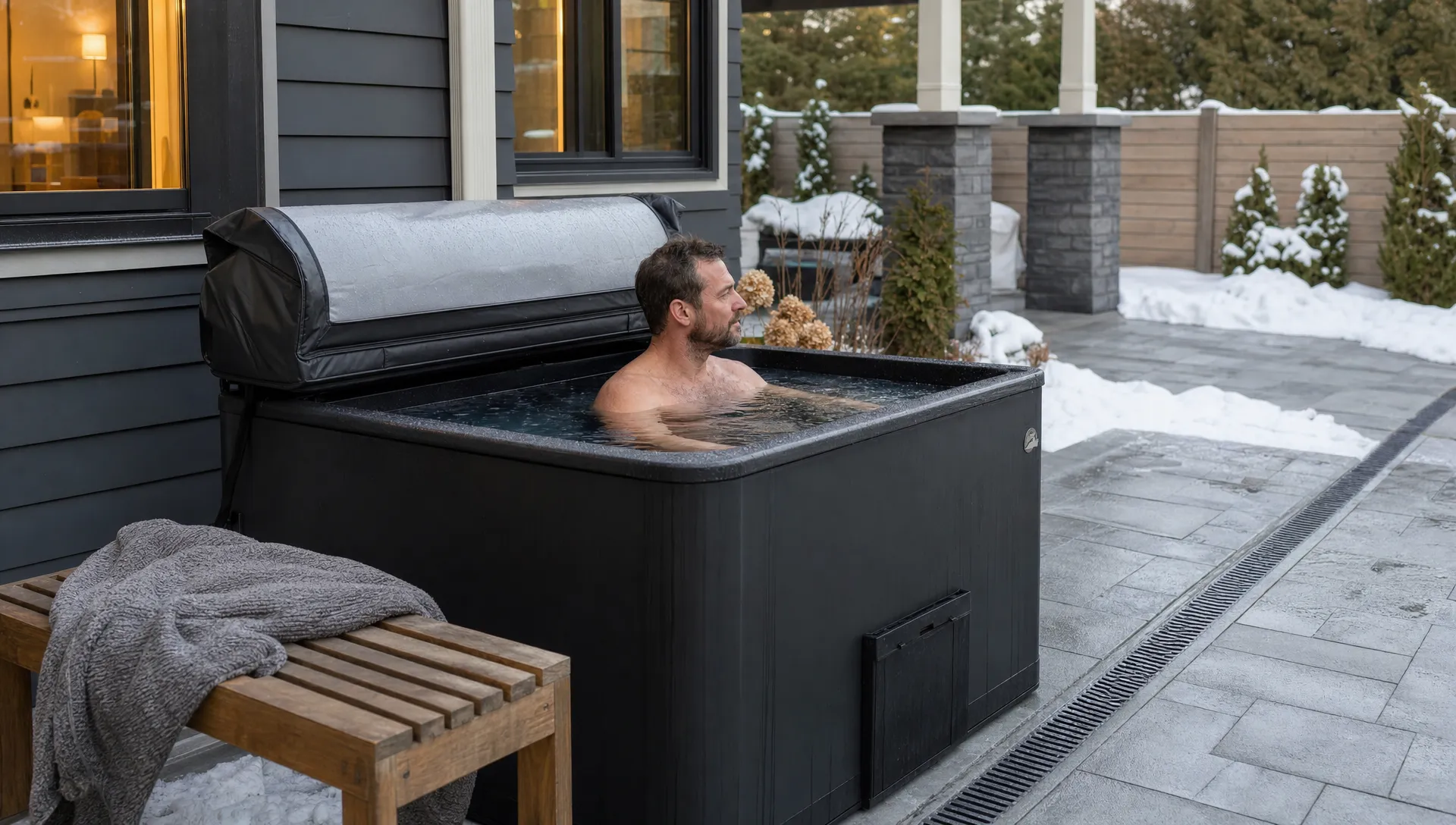
Planning an Outdoor Cold Plunge Tub for Freezing Weather — Wellness
An outdoor-rated tub is not automatically protected from freezing. Learn how to assess the full system, plan a safe winter site and choose between year-round operation and seasonal shutdown before you buy.
A search for “cold plunge tub outdoor” can turn up plenty of weather-resistant tubs, but outdoor suitability does not automatically mean safe operation below freezing. Before buying, confirm whether the entire system can remain outdoors through your local winter, including the chiller, pump, filter and exposed plumbing.
The key buying question is not just how cold the water gets. It is how the equipment prevents freezing when temperatures drop, circulation stops or power fails. Insulation and a cover help slow heat loss, but neither guarantees freeze protection.
Start by choosing between winter operation and seasonal shutdown. That decision affects the equipment you need, where you install it and what you must do before the first hard freeze. This guide focuses on those installation and ownership decisions rather than ranking tubs by appearance or cooling capacity.
A “cold plunge tub outdoor” label is not a freeze rating
An outdoor-use designation may address exposure to rain or other environmental conditions without establishing suitability for subfreezing operation. Likewise, a chiller’s minimum water temperature tells you little about its minimum permitted outdoor air temperature.
Ask for the installation manual and written operating limits for the specific configuration you are considering. A tub and a separately supplied chiller may have different restrictions.
| System component | What to confirm before purchase | Why it matters in winter |
|---|---|---|
| Tub shell and insulation | Permitted ambient conditions and winter-use instructions | Insulation slows temperature changes but does not create heat |
| Chiller or heater/chiller | Minimum operating air temperature and documented freeze-protection functions | Cooling capability does not establish cold-weather capability |
| Pump and filter | Required operating conditions and shutdown procedure | Water can remain trapped inside housings |
| Hoses, valves and fittings | Approved installation and winterization requirements | Small exposed water passages can freeze before the main tub |
| Cover | Fit, securing method and care instructions | A well-fitted cover helps limit heat loss and debris entry |
For an outdoor cold plunge tub, judge the system by its most restrictive component. If the seller cannot document winter operating limits, do not assume that continuous outdoor use is supported.
Choose your winter operating strategy first
Year-round operation
Choose this route only when the manufacturer documents operation in conditions that cover your site’s expected winter temperatures. Confirm how freeze protection works, what equipment it protects and whether it depends on uninterrupted power.
A heating function alone is not enough information. Ask whether the controls protect the plumbing and equipment as well as the main body of water, and what happens if a fault stops circulation.
Seasonal shutdown
If you will not use the plunge regularly during winter, a system with a clear winterization procedure may be more practical. Shutdown can involve more than emptying the tub: pumps, filters, hoses and low points may retain water.
Get the procedure before purchasing. You should know which parts need draining, disconnecting or storage before temperatures fall.
Removable or sheltered equipment
Some installations may allow equipment to be relocated or stored, but only when the manufacturer permits that arrangement. Do not put a chiller into a makeshift enclosure without checking ventilation, clearance and access requirements.
The right outdoor cold plunge tub is one you can operate or shut down correctly, not simply one described as suitable for the backyard.
Build the winter site around weight, drainage and access
Provide a stable, properly supported base
Water weighs about 8.34 pounds per U.S. gallon. As an illustration, 100 gallons adds roughly 834 pounds before accounting for the tub, equipment or occupant. Use the actual filled weight and installation requirements for your chosen model rather than treating that example as a design specification.
A patio that looks solid is not automatically suitable. Confirm that the foundation is level, adequately supported and resistant to problematic movement in local freeze-thaw conditions. An elevated deck requires a structural assessment appropriate to the proposed installation.
Avoid improvised platforms that could shift or settle. Leave the manufacturer’s required service clearances around equipment and connections so winter maintenance does not require moving a filled tub.
Keep discharge water away from walking routes
Plan where drained water will go before choosing the final location. Discharge onto steps, sidewalks or the route back indoors can create an ice hazard.
Follow local drainage requirements and account for any water-treatment chemicals. Do not assume a storm drain, neighboring property or a planting bed is an acceptable discharge point.
For an outdoor cold plunge tub, the safest location balances convenient access with controlled drainage. Keep the route short, well lit and clear of roof runoff, icicles and snow-storage areas. Use stable, slip-resistant footing that remains manageable when wet; a loose mat on ice is not a reliable solution.
Plan power and plumbing as one system
Have a qualified electrician assess the proposed location and equipment requirements. Confirm the correct supply, required GFCI protection, grounding or bonding provisions where applicable and receptacle placement under local code.
Do not plan around an extension cord. Follow the equipment’s connection instructions, and keep electrical connections out of standing water and away from drainage routes.
Plumbing layout matters just as much. Long exposed hoses, unnecessary fittings and low spots can complicate freeze protection and winterization. Use only manufacturer-approved routing, insulation and protective accessories.
Moving water can still freeze when conditions exceed the equipment’s capabilities. A running pump is not a substitute for documented cold-weather protection. Likewise, do not add heat tape, space heaters or improvised covers around equipment unless the manufacturer specifically approves the arrangement.
Before installation, ask who is responsible for each connection and which changes require approval. That is especially useful when the tub, chiller and site work come from different suppliers.
Write a power-outage plan before the first freeze
An outdoor cold plunge tub needs a response plan for lost power, not just a normal operating routine. Freeze protection that relies on pumps, controls or heaters cannot function normally without electricity.
Ask the manufacturer what action to take during an outage at your expected winter temperatures. There is no universal safe waiting period: the installation, insulation, wind exposure and amount of trapped water all affect freezing risk.
Keep the approved shutdown instructions accessible, along with any tools needed to follow them. Make sure another household member knows the procedure if you are away. If backup power is part of the plan, have a qualified professional confirm compatibility and safe connection requirements.
If ice forms or you suspect frozen plumbing, stop using the system and follow manufacturer guidance. Do not force valves, strike the tub or restart equipment against a suspected blockage.
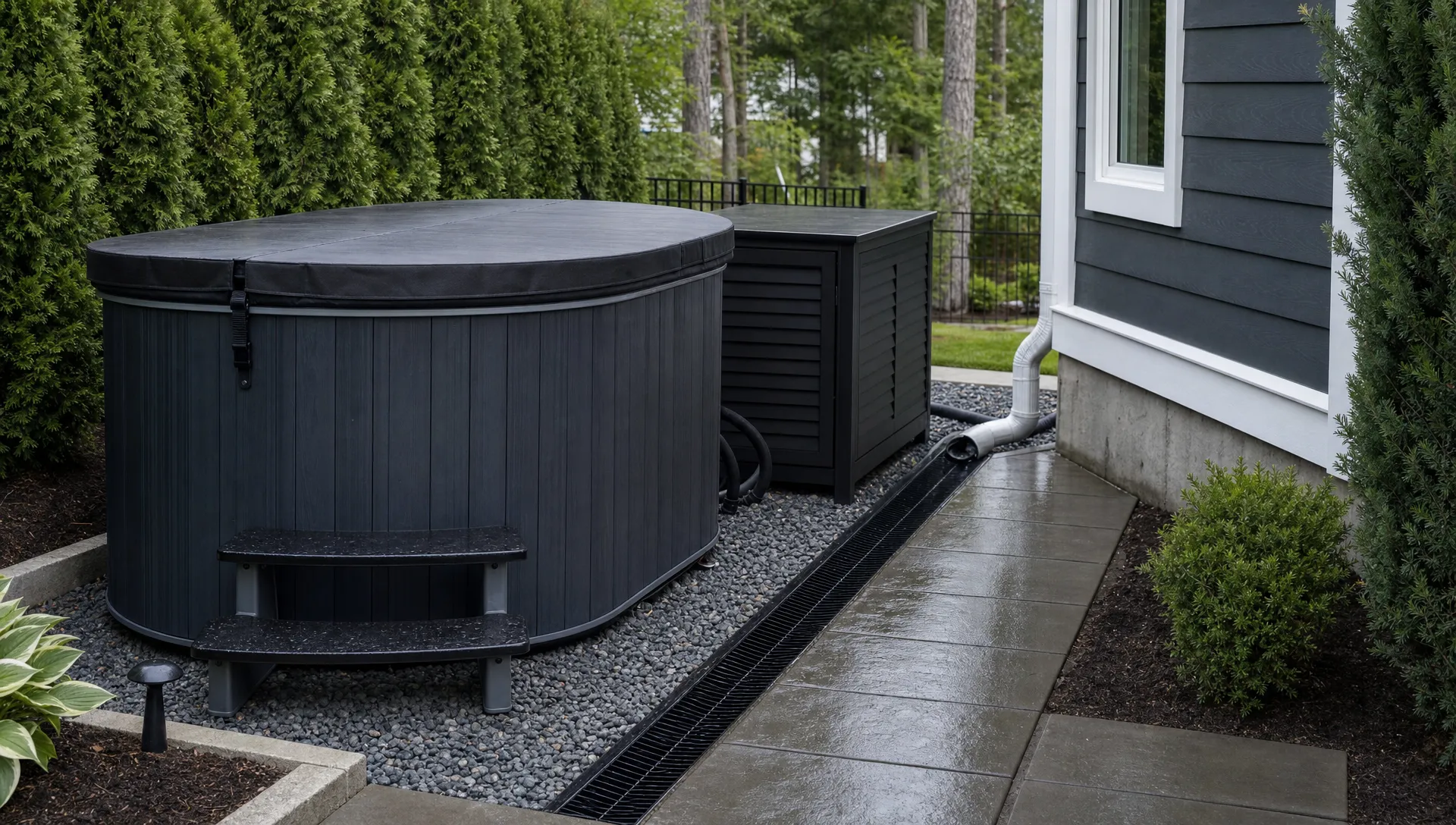
Allow separate space and services for a nearby hot tub
A backyard wellness area may include both a plunge and a separate hot tub. If you are considering the Liberty Spas Plug & Play 4 Person Spa LYS4000, put it on its own installation worksheet rather than assuming the plunge’s requirements apply to it.
The spa needs its own checks for filled weight, electrical supply, drainage, service access and winter operation. Its plug-and-play designation does not establish whether it can share a circuit with another appliance or how it should be protected during freezing weather.
Leave enough space to open both covers and reach service panels without blocking the route indoors. Planning two separate installations is more reliable than treating the whole area as one interchangeable system.
Keep winter water care separate from freeze protection
Cold weather does not eliminate the need for water care. Follow the manufacturer’s requirements for filtration, cleaning, water treatment and replacement, even when the tub gets less use.
A cover helps reduce incoming debris, but it does not replace sanitation. Check the water and equipment on the recommended schedule rather than assuming clear-looking water is adequately maintained. Hearthside Supply’s guide to cold plunge maintenance and clean water covers the broader upkeep routine.
For an outdoor cold plunge tub, winter maintenance also includes checking that snow or ice is not obstructing required ventilation or access. Clear accumulation using methods permitted by the manufacturer, without damaging covers or equipment.
Never add antifreeze to bathing water. If the manufacturer specifies a winterizing product for a particular component, follow its exact application and flushing instructions before returning the system to use.
Budget for the installed winter setup, not just the tub
The purchase price is only part of a freezing-weather installation. Request model-specific quotes for site preparation, electrical work, drainage and any approved cold-weather accessories.
Operating costs also depend on how the system maintains its permitted conditions. In winter, a suitable system may need energy to prevent freezing even when little cooling is required. Do not assume colder outdoor air makes operation free.
Ask which accessories are included, which are required for your installation and whether professional winterization is recommended. Review the actual warranty terms for freeze-related exclusions, installation conditions and maintenance responsibilities.
A lower-priced outdoor cold plunge tub can become a poor fit if its winter requirements conflict with your site or schedule. Compare the complete installation and ownership plan before deciding that one model offers better value.
A pre-purchase winter checklist
Before placing an order, make sure you can answer these questions with documentation rather than assumptions:
- Temperature limits: What is the minimum permitted ambient temperature for every water-containing component?
- Freeze protection: What does it protect, and what conditions must be maintained for it to work?
- Power failure: What is the approved response if electricity or circulation stops?
- Installation: Are the base, electrical supply, equipment clearances and drainage suitable?
- Winterization: How are trapped water and removable components handled?
- Coverage: What do the warranty terms say about freezing and installation requirements?
- Daily access: Can you reach the tub and return indoors without crossing icy surfaces?
Save the relevant manuals and written answers. They give your installer a clearer brief and help prevent misunderstandings about what “outdoor-ready” means.
Frequently asked questions
Can I leave a cold plunge outside all winter? Only when the complete system is approved for your conditions and you follow its operating instructions. Otherwise, use the manufacturer’s winterization and storage procedure before freezing weather arrives.
Will an insulated cover stop the water from freezing? Not indefinitely. Insulation slows heat loss, but it does not generate heat. Pipes, valves and equipment housings may also freeze while the main tub still contains liquid water.
Can I turn the chiller off when outdoor temperatures are below freezing? Follow the specific system instructions. Switching off a shared unit may also disable circulation, heating or protective controls. Do not assume that cooling being unnecessary means the equipment can safely be powered down.
Is near-freezing water better for cold plunging? Colder is not automatically better, and freeze protection is an equipment requirement, not a recommended bathing temperature. The National Weather Service’s cold-water safety guidance explains that sudden immersion can trigger cold shock, including gasping and rapid breathing. Seek medical guidance about whether cold immersion is appropriate for you, avoid using the tub alone and keep a clear exit and dry clothing nearby.
Can a hot tub be converted into a cold plunge for winter? Do not assume so. Use equipment only within its documented temperature range and intended configuration. A hot tub’s heating and freeze-protection controls do not establish suitability for cold-plunge operation.
Choose documented winter suitability before buying
Start your comparison with operating limits, outage procedures and installation requirements. Then narrow the options by size, layout and convenience.
When browsing Hearthside Supply’s cold plunge tubs, request the model-specific documentation needed to evaluate your winter plan. A suitable choice should fit both your backyard and the way you will manage freezing weather.
Ready to invest in your home wellness?
Explore our curated selection of premium saunas, hot tubs, cold plunges, steam showers, and swim spas — with clear specifications, nationwide delivery, and secure checkout.
Keep reading
View all posts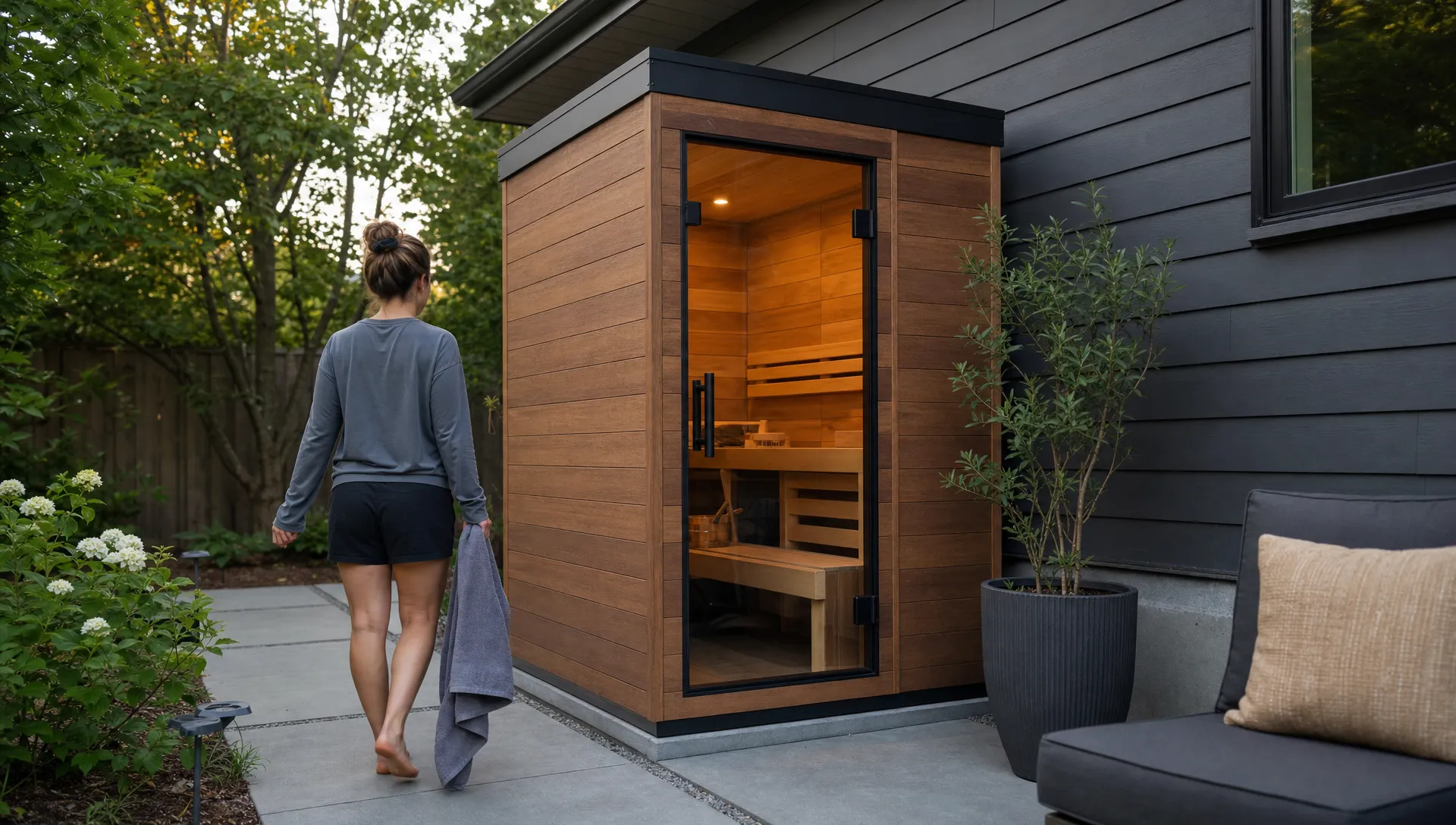 Wellness
Sauna Room Layouts That Make the Most of Limited Space
A small footprint can still leave room for comfortable seating and easy movement. Compare five layout approaches and learn what to check before buying a sauna for a tight space.
Read article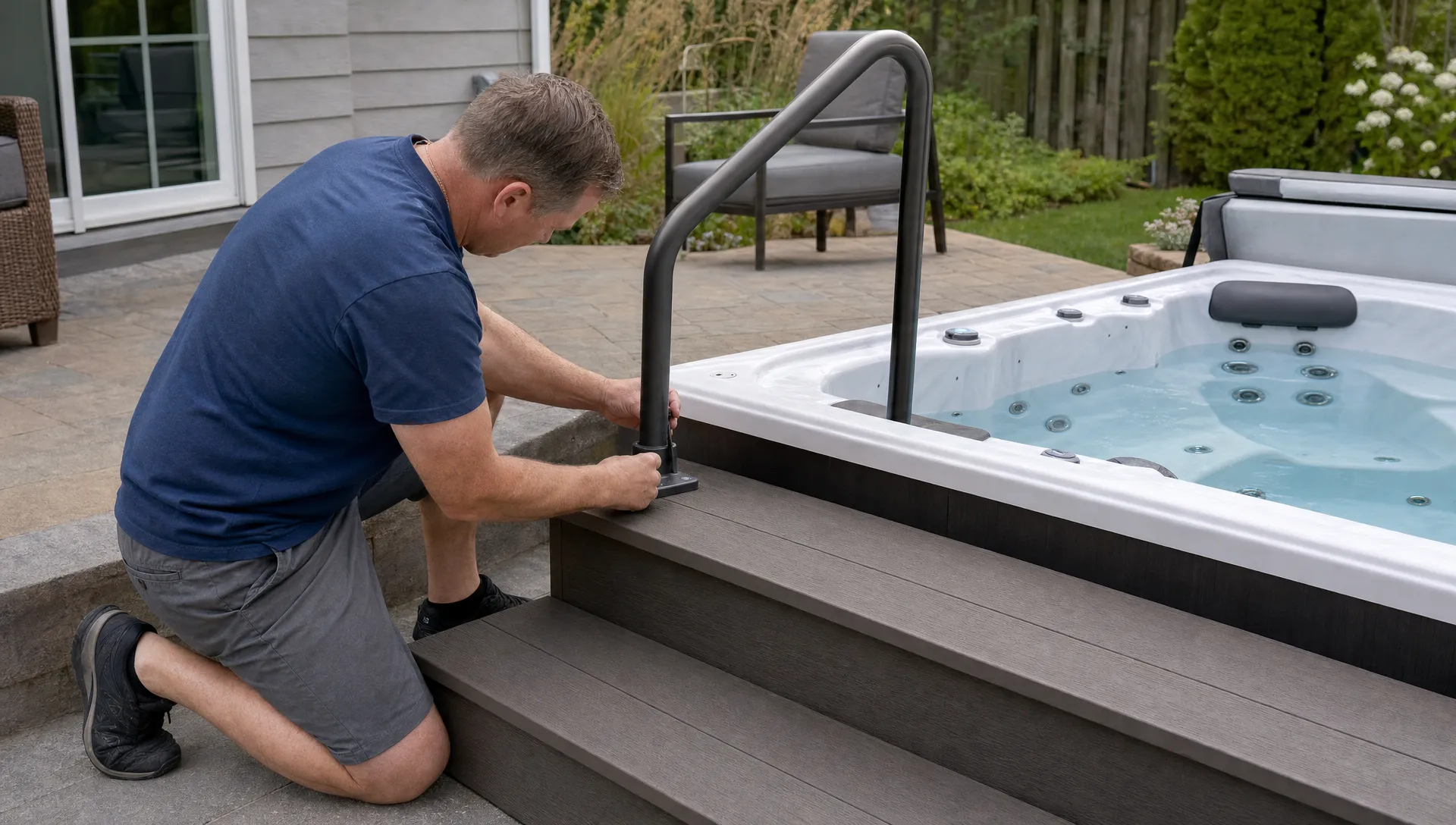 Wellness
Hot Tubs for Seniors With Easier Entry and Comfortable Seating
A comfortable spa starts with an entry route and seats that fit the person using it. Learn what to check before buying, from secure handrails and seat depth to cover handling and ongoing upkeep.
Read article Wellness
How to Read Hot Tub Reviews Without Falling for Hype
A glowing rating cannot tell you whether a spa fits your home or budget. Learn how to separate useful owner feedback from sales hype and verify the claims that matter before you buy.
Read article