
How to Choose the Best Ice Bath for Apartment Living
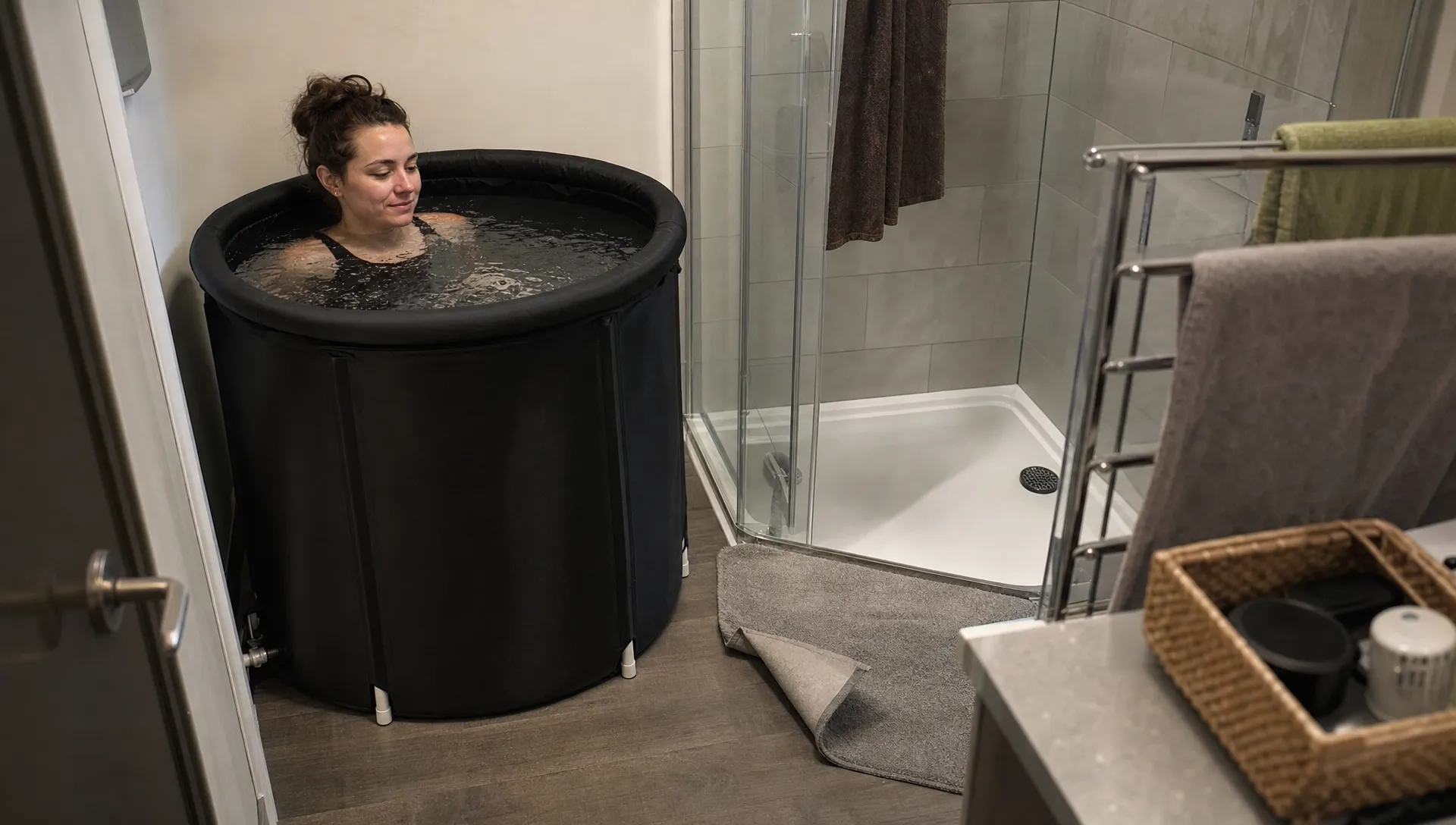
How to Choose the Best Ice Bath for Apartment Living — Wellness
A compact tub can still create big problems in an apartment. Learn how to compare floor loads, drainage, chiller noise and storage needs before choosing a setup that fits your space and routine.
Choosing the best ice bath for apartment living starts with more than tub dimensions. A compact model still needs an approved location, a floor that can support its filled weight, reliable drainage and enough room for safe entry and exit.
For most apartment shoppers, the decision comes down to a temporary setup near a suitable drain or a compact permanent tub with documented installation requirements. The right choice depends as much on your building as your recovery routine.
Check Building Rules and Filled Weight First
Before comparing products, check your lease and ask building management about water-filled equipment, plumbing connections and balcony restrictions. Get permission in writing when required. Permission to install a tub does not, by itself, confirm that the floor can support it.
Water weighs approximately 8.34 pounds per U.S. gallon. As a hypothetical example, 60 gallons weighs about 500 pounds. Add a 50-pound tub and a 180-pound person, and the total reaches roughly 730 pounds before accessories or a chiller.
Use the expected operating water volume, accounting for occupant displacement, rather than automatically filling to the advertised maximum capacity. Ask the manufacturer for empty weight, operating volume and how the base contacts the floor.
Do not use a generic residential floor-load figure as installation approval. A qualified structural professional should assess an uncertain location, particularly upstairs or on a balcony. A protective mat does not establish structural suitability.
Which Format Is the Best Ice Bath for Apartment Living?
The most useful comparison is between installation styles, not simply brands. A tub that folds flat solves storage problems, but it does not eliminate filled weight, drainage work or drying time.
| Setup type | When it may suit an apartment | Main limitation to check |
|---|---|---|
| Collapsible or inflatable tub | Occasional use with an approved filling and drainage location | Requires setup, cleaning and thorough drying before storage |
| Compact rigid tub without a chiller | A dedicated location where you can manage cooling manually | Remains in place and requires a practical ice and water routine |
| Tub with a separate chiller | Frequent use with suitable power, ventilation and drainage | Chiller, hoses and service clearances enlarge the overall footprint |
| Integrated chilled tub | A permanent installation where building and equipment requirements can be met | Weight, access, noise and electrical requirements need close review |
An upright shape can save floor area, but check whether the interior accommodates your body comfortably. A high rim may also make entry harder than the product photos suggest.
When browsing portable cold plunges, distinguish between equipment that is portable when empty and equipment that is genuinely convenient to set up repeatedly. Never assume a filled tub can be moved.
Measure the Entire Setup, Including Access
The best ice bath for a small apartment is one you can enter, exit, clean and service without obstructing the room. External tub dimensions are only the starting point.
Mark the proposed footprint on the floor with removable tape. Include the lid when open or removed, the chiller if applicable and the manufacturer’s required ventilation and service clearances. Leave usable standing space beside the entry point rather than squeezing the tub between fixtures.
Check the interior dimensions separately. An upright tub may require a deep seated position, while a longer model may allow a more extended posture. Use the manufacturer’s fit guidance, but do not rely on a capacity label alone to establish comfort.
Measure the delivery route too: building entrance, elevator, hallway turns and apartment doorway. For rigid equipment, ask for packaged dimensions and confirm whether any components can be removed for access.
Finally, consider storage for the unglamorous essentials. A hose, cleaning supplies, cover and drying accessories all need somewhere to go. A folding tub is less convenient if its only storage space is a closet where it cannot dry fully.
Decide Whether a Chiller Is Practical
A chiller offers temperature control without repeatedly buying or making ice, but it adds equipment that must work within your apartment’s limits. Check the exact model’s indoor-use approval, electrical requirements, operating conditions and ventilation instructions.
For occasional use, the best ice bath may be a well-insulated tub without a chiller. That choice avoids compressor noise and a powered cooling system, but shifts the work to sourcing ice, monitoring temperature and managing water changes.
For frequent use, compare the convenience of refrigeration against its installation demands. Many chillers release heat into the surrounding air. A cramped utility closet or enclosed cabinet may be unsuitable even if the unit physically fits.
Ask for sound data and the conditions under which it was measured. A decibel rating without distance or operating context is difficult to interpret. Pumps and compressors may cycle outside your bathing session, which matters near a bedroom or shared wall.
Powered equipment needs the electrical protection specified by its manufacturer and applicable code, including GFCI protection where required. Have a qualified electrician resolve outlet or circuit questions. Do not plan around extension cords or power strips.
Plan Filling, Draining and Leak Response
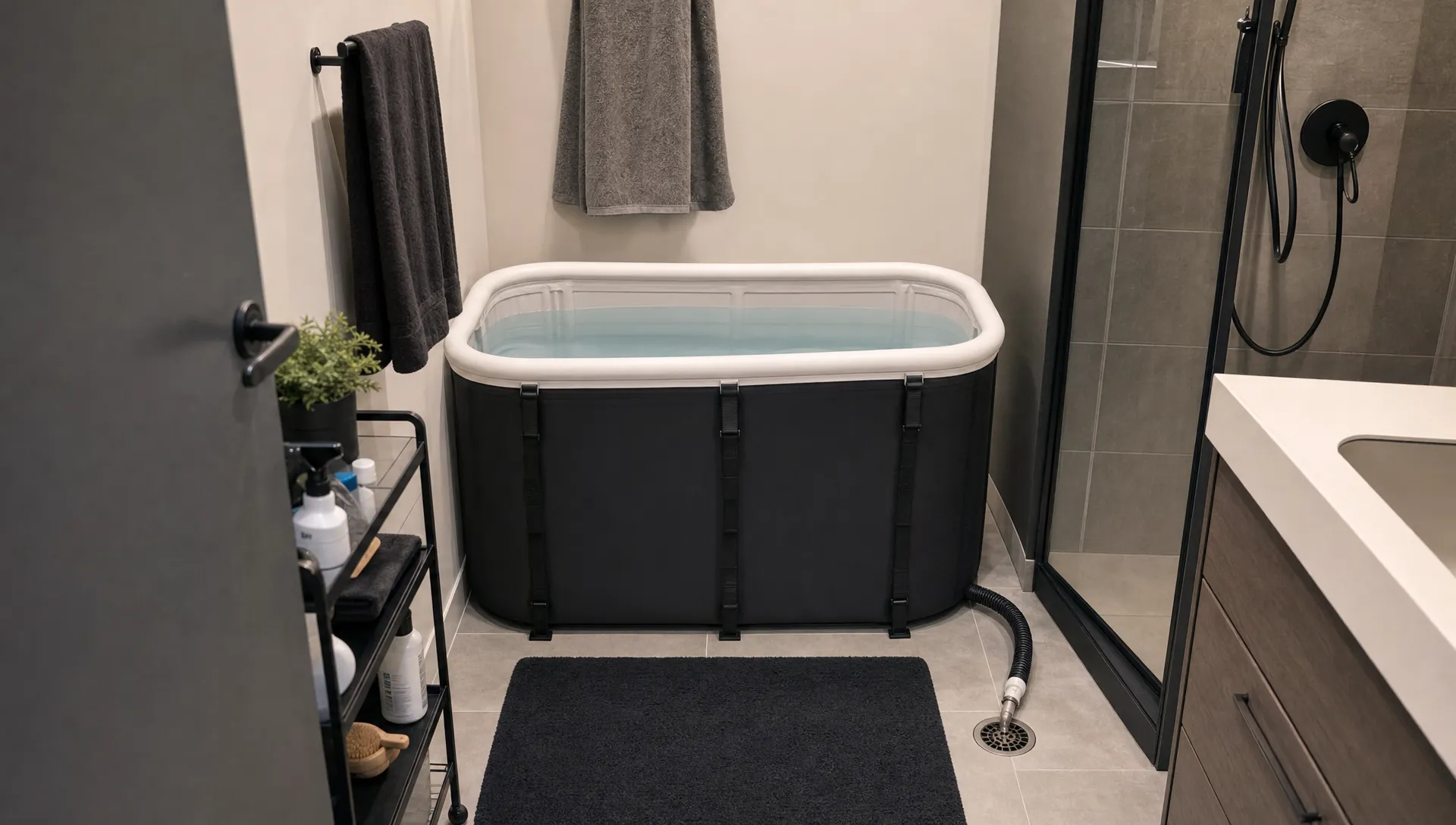
Drainage is often the deciding factor in an apartment. Identify where the water will go before buying, then confirm that the proposed hose route and drain connection are permitted.
The best ice bath should match your available drainage route, not require an improvised one. Check whether gravity drainage will empty the tub at its installed height. A hose cannot simply push water uphill into an elevated bathtub; some arrangements may require a manufacturer-approved pump.
A kitchen or bathroom nearby does not automatically make draining easy. Measure hose length, check connection compatibility and consider whether doors must remain open during the process. Keep the route away from electrical equipment and walking paths.
Fill and drain under supervision, with connections secured as directed. Never try to lift or drag a filled tub to reach a drain. Do not discharge water over a balcony, into a shared walkway or somewhere prohibited by building or local rules.
Have a response plan for a loose connection or overflow: accessible shutoffs, towels and a way to stop filling immediately. A small drip tray may catch minor drips, but it cannot necessarily contain a major leak.
Account for Condensation and Neighbor Noise
Cold surfaces can collect condensation in warm, humid rooms. Water can then reach flooring or nearby materials even when the tub itself is not leaking.
Good insulation matters here, although it does not guarantee condensation-free operation. The best ice bath for indoor use should have documented placement requirements and accessible surfaces you can inspect, rather than hidden connections pressed against a wall.
Follow the manufacturer’s floor-protection guidance and check beneath removable mats regularly. A mat that stays damp can conceal moisture rather than solve it. The EPA’s guide to mold and moisture emphasizes moisture control as the key to preventing indoor mold problems.
Ventilation and, where appropriate, dehumidification may be needed. Neither replaces fixing leaks or drying wet surfaces promptly.
Noise deserves a similar practical check. Ask whether pumps run continuously and whether quiet operating modes exist on the specific model. Do not add vibration pads or alter the base unless the manufacturer permits them. Any support arrangement must preserve stability and required airflow.
Compare Total Ownership Costs, Not Just Purchase Price
Two similarly priced tubs can create very different ongoing expenses. Compare equipment and installation costs with the recurring work required by your expected schedule.
For an occasional user, paying more for refrigeration may not be worthwhile. For someone using the tub frequently, the best ice bath may cost more upfront but remove a burdensome ice-buying routine. Make that comparison using your own local prices and likely usage, not a seller’s broad savings claim.
| Cost category | What to include in your comparison |
|---|---|
| Initial setup | Tub, any separate chiller, delivery arrangements and permitted electrical work |
| Cooling | Purchased ice or electricity, depending on the setup |
| Water care | Approved treatment products, test supplies and replacement filters where required |
| Water changes | Water and sewer charges, plus the time needed to drain, clean and refill |
| Apartment protection | Manufacturer-approved floor protection and any necessary humidity management |
| Future move | Draining, drying, packing and transporting the empty equipment |
Insulation can reduce heat gain, but actual cooling demand depends on room conditions, water temperature and usage. Request documented power information rather than assuming the chiller draws its rated maximum continuously.
Also check return conditions before ordering. Confirm how opened or water-used equipment is handled, who pays return freight and whether the packaging must be retained.
Build a Shortlist Around Documented Requirements
Once the location is approved, narrow your options to products with enough information to evaluate properly. Missing specifications are a reason to ask questions, not fill in the blanks yourself.
Your best ice bath shortlist should pass these checks before aesthetics or accessory bundles influence the decision:
- Placement: The manufacturer permits your intended indoor or outdoor location, and the building allows the installation.
- Weight and access: Filled weight has been assessed where necessary, and the equipment can reach the installation site.
- Fit and entry: Interior dimensions suit the user, with stable access and unobstructed room to exit.
- Water management: Filling, draining, cleaning and any required treatment are practical in the apartment.
- Equipment support: Electrical needs, clearances, noise information, service access and return terms are documented.
Ask for the installation and maintenance manuals before purchase. Product-page dimensions rarely answer every apartment-specific question.
If a seller cannot clarify a critical requirement, keep that model off the shortlist until the answer is available. A smaller tub is not a workaround for an unresolved structural, electrical or drainage concern.
Make Safe Entry and Water Care Part of the Purchase
Choose equipment you can exit without climbing over hoses or relying on furniture for support. A high-sided tub may need a manufacturer-approved access solution, which adds to its footprint. Keep the surrounding floor dry and prevent unsupervised access by children or pets.
Even the best ice bath does not make cold immersion risk-free. The National Weather Service explains that sudden cold-water immersion can trigger an involuntary gasp and rapid breathing. Seek medical guidance before starting, particularly if you have a medical condition or take medication that could affect your response.
For a first session, avoid chasing the lowest temperature or a fixed endurance goal. Use a manageable temperature, keep the exposure brief, keep your head above water and do not use the tub alone or after alcohol. Exit if you feel unwell; chest pain or persistent breathing difficulty requires prompt medical attention.
Water care also belongs in the buying decision. Cold water is not self-sanitizing, and a filter alone does not necessarily provide adequate sanitation. Follow the specific system’s cleaning, treatment, testing and water-replacement instructions. Do not assume water can remain safe indefinitely because it looks clear.
Frequently Asked Questions
Can I put an ice bath in an upstairs apartment? Possibly, but room dimensions alone cannot establish suitability. Obtain any required building permission and have uncertain floor capacity assessed by a qualified structural professional. Include water, equipment and occupant weight in the assessment.
Can I use my existing bathtub instead? Your existing bathtub may be the best ice bath option for occasional use if its manufacturer permits the intended use and temperatures. It avoids storing another vessel and already has drainage, but check safe entry, comfort and material-care instructions. Do not add cooling equipment unless the arrangement is approved for that use.
Can I fold up a portable tub after every session? Yes, if the product is designed for repeated setup and storage. It must first be fully drained, cleaned and dried according to its instructions. Budget time and drying space for that process rather than treating folding as the only storage step.
Choose the Setup Your Apartment Can Actually Support
Start with approval, filled weight and drainage, then compare comfort, cooling convenience and ongoing care. If those essentials cannot be resolved, postpone the purchase rather than forcing a tub into an unsuitable location.
Once you have those answers, browse Hearthside Supply’s ice baths for sale and compare the documented specifications against your apartment checklist. The right purchase is the one that fits both your space and the work you are willing to do between sessions.
Ready to invest in your home wellness?
Explore our curated selection of premium saunas, hot tubs, cold plunges, steam showers, and swim spas — with clear specifications, nationwide delivery, and secure checkout.
Keep reading
View all posts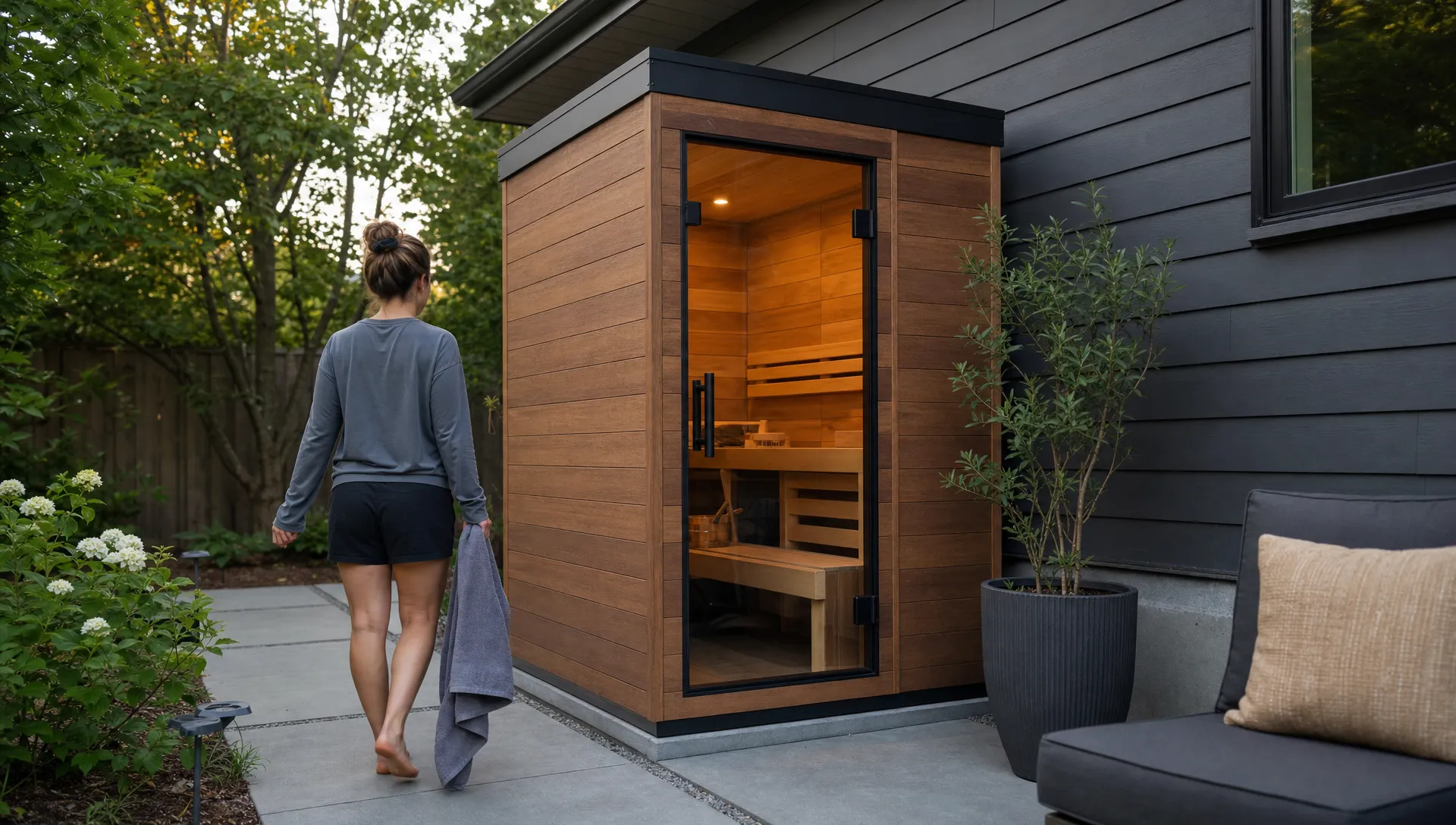 Wellness
Sauna Room Layouts That Make the Most of Limited Space
A small footprint can still leave room for comfortable seating and easy movement. Compare five layout approaches and learn what to check before buying a sauna for a tight space.
Read article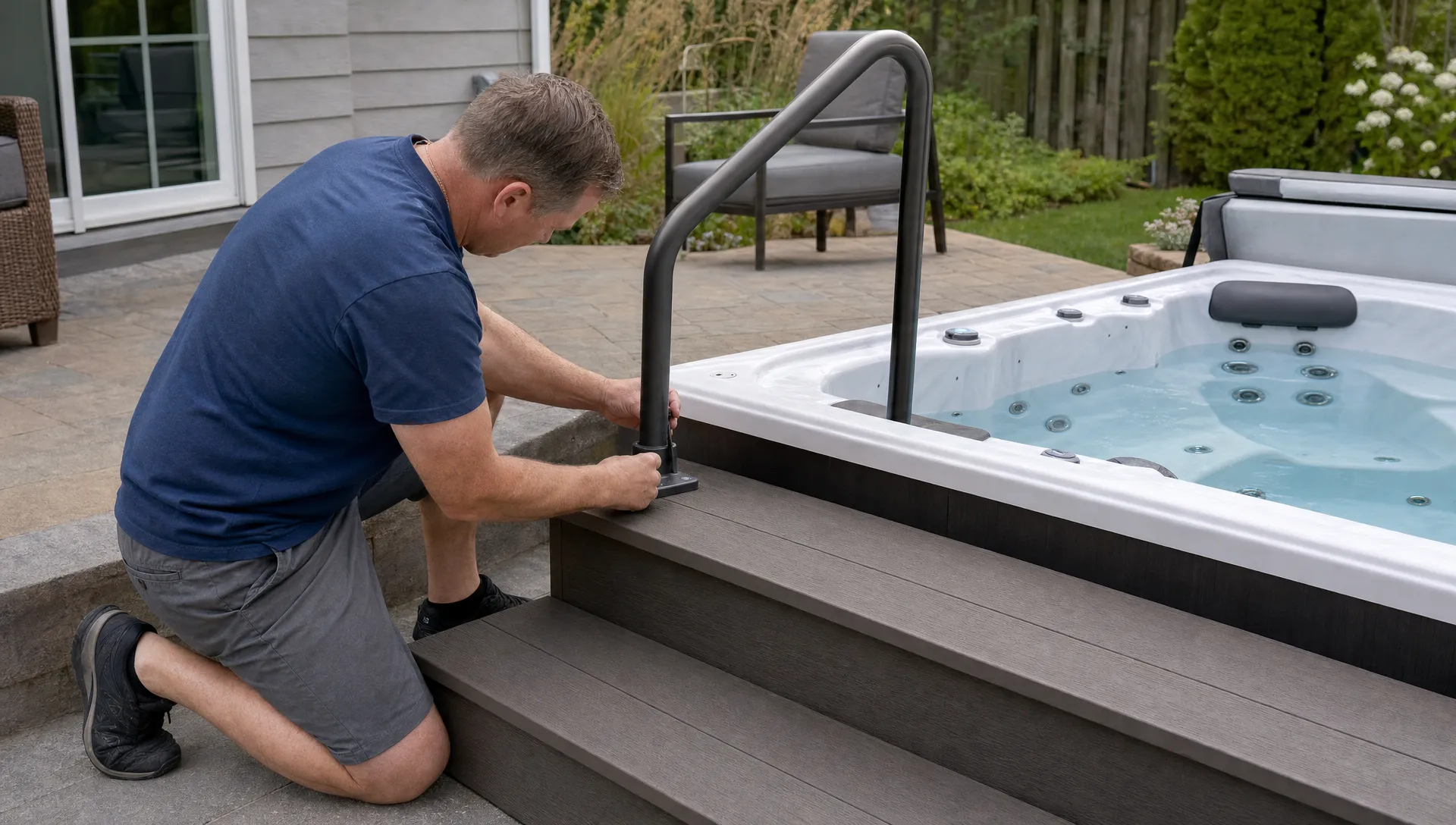 Wellness
Hot Tubs for Seniors With Easier Entry and Comfortable Seating
A comfortable spa starts with an entry route and seats that fit the person using it. Learn what to check before buying, from secure handrails and seat depth to cover handling and ongoing upkeep.
Read article Wellness
How to Read Hot Tub Reviews Without Falling for Hype
A glowing rating cannot tell you whether a spa fits your home or budget. Learn how to separate useful owner feedback from sales hype and verify the claims that matter before you buy.
Read article