
Exercise Swim Spa Features for Low-Impact Training
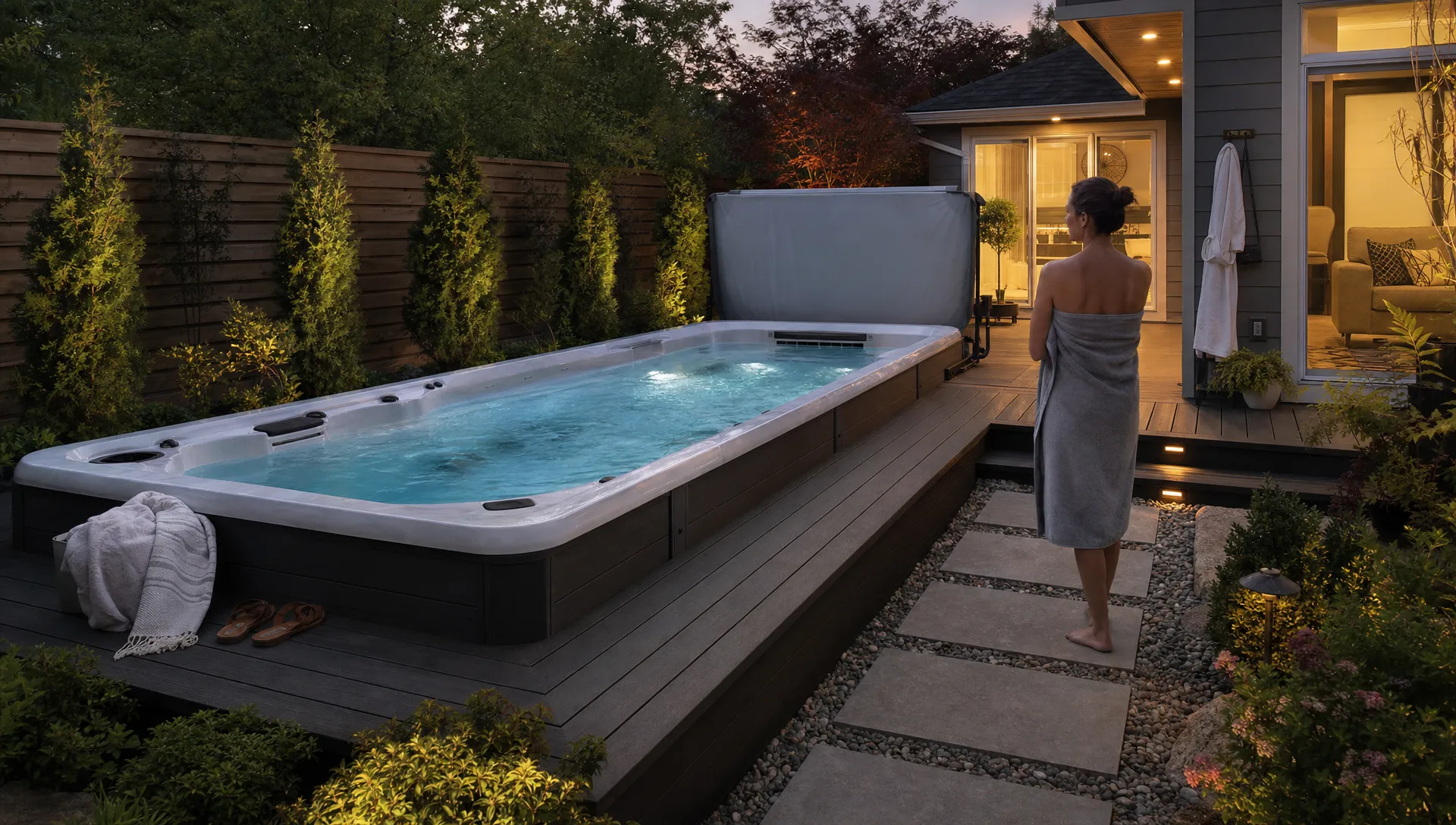
Exercise Swim Spa Features for Low-Impact Training — Wellness
A swim spa can turn a backyard into a compact, low-impact training space. Learn which current, sizing, resistance, safety and maintenance features matter before you buy.
A swim spa can be more than a place to relax. For many homeowners, it is a compact training space that makes swimming, walking, resistance work and gentle mobility sessions possible without needing a full-size pool. The right exercise swim spa gives you adjustable water movement, enough room to move safely and practical features that make short, consistent workouts easier to maintain.
Low-impact training is the main appeal. Water supports part of your body weight, so movements often feel easier on ankles, knees, hips and the lower back than comparable land-based drills. At the same time, moving against water creates resistance from every direction, which can make simple exercises surprisingly effective.
If you are shopping for an exercise swim spa, focus less on a long list of luxury extras and more on the features that affect training quality: current design, swim area, depth, controls, entry safety, resistance options, maintenance access and installation fit.
What Makes an Exercise Swim Spa Different From a Standard Spa?
A traditional hot tub is built primarily for seated soaking and hydromassage. A swim spa is longer, deeper and designed around movement. It may include a current system for swimming in place, an open area for aquatic exercise and seating for post-workout relaxation.
An exercise swim spa sits between a pool and a hot tub in terms of use. It does not require the same yard space as a pool, but it can support more active routines than a small spa. For homeowners who want fitness, relaxation and backyard wellness in one unit, that blend is what makes the category attractive.
The key is matching the model to the way you actually plan to train. Someone focused on casual walking and stretching may need different features than a strong swimmer who wants a smooth current for interval work.
Why Low-Impact Training Works Well in Water
Water changes the feel of exercise in three useful ways. First, buoyancy reduces the amount of body weight you feel during movement. That can make walking, jogging motions and balance drills more approachable for people who dislike the pounding of pavement or gym floors.
Second, water creates resistance without weights. When you push, pull, kick or rotate, the water pushes back. You can increase effort by moving faster, using a stronger current or adding aquatic accessories designed for resistance work.
Third, warm water may support relaxation and help you ease into movement. This is not a replacement for medical care or physical therapy, but many people find that aquatic exercise feels comfortable as part of a general wellness routine.
Core Features to Compare Before You Buy
Not every swim spa is equally suited for exercise. Some models prioritize entertainment and seating, while others are designed more clearly around swimming and training. Use the following features to narrow your options.
| Feature | Why it matters for low-impact training | What to check while shopping |
|---|---|---|
| Current system | Determines how smooth and usable the swim lane feels | Ask whether the current is wide, adjustable and appropriate for your swim ability |
| Open exercise area | Gives you room for walking, stretching and resistance movements | Check interior length, width and placement of seats or steps |
| Water depth | Affects buoyancy, stride comfort and exercise variety | Confirm the working depth, not only the exterior height |
| Speed controls | Helps multiple users train at different intensity levels | Look for easy current adjustments from inside or near the spa |
| Floor and entry design | Supports safer movement in wet conditions | Review step layout, handholds and floor texture |
| Resistance attachment points | Expands exercise options beyond swimming | Confirm compatible accessories rather than assuming they are included |
| Cover and insulation | Affects convenience and operating efficiency | Compare cover quality, insulation approach and ease of daily use |
| Service access | Matters for long-term maintenance | Make sure the installation leaves room for technicians to reach key components |
Current quality and adjustability
The current system is the heart of an exercise swim spa. A current that is too narrow, turbulent or difficult to control can make swimming frustrating. A smoother current gives you a better chance to settle into a steady stroke and maintain consistent effort.
There are different ways to create that current, including jet-based systems and propulsion-style systems. Each has tradeoffs in feel, flow pattern, service needs and cost. If this is a major part of your buying decision, Hearthside Supply has a deeper comparison of propulsion and jet current systems that explains how each approach works.
For low-impact training, adjustability matters as much as power. A very strong current is not useful if beginners in the household cannot use it comfortably. Look for a model that can accommodate gentle movement, moderate cardio and harder swim sessions if multiple people will share it.
Room to move without feeling cramped
Interior layout is easy to overlook because product dimensions often emphasize exterior size. For exercise, the usable open area is what counts. Seats, steps and molded features can reduce the space available for walking drills, aquatic jogging, side steps or resistance band movements.
A practical exercise swim spa should let you move naturally without clipping your feet or hands on seats. If your goal is swimming, pay close attention to the length of the swim lane and how your body position lines up with the current. If your goal is general water fitness, prioritize an open floor and comfortable depth.
Entry, exit and stability features
Low-impact does not mean no planning. Wet steps, changing water levels and outdoor weather can all affect daily use. Look for easy entry and exit points, visible steps, handhold options and a stable floor surface.
This is especially important if the spa will be used by family members with different comfort levels in the water. A good layout helps users transition from relaxation to movement without feeling awkward.
Matching Features to Your Training Style
The best swim spa for one household may be unnecessary or underpowered for another. Start with your primary training style and use that to decide which features deserve the most attention.
| Training goal | Features to prioritize | Nice-to-have extras |
|---|---|---|
| Gentle cardio | Open floor, comfortable depth and easy controls | Exercise bar or tether options |
| Swimming in place | Smooth adjustable current and clear swim lane | Mirrors or visual alignment aids if available |
| Strength and mobility | Resistance attachment points and stable footing | Aquatic dumbbells or bands compatible with the spa |
| Family wellness | Multiple intensity settings and safe entry | Seating for cooldown and social use |
| Post-workout relaxation | Comfortable seats and massage jets | Lighting, sound options or adjacent sauna setup |
If you want a true fitness-forward experience, avoid buying based only on how many jets a model has. Jets can be enjoyable, but training quality comes down to the swim current, space and daily usability. A shopper focused on aquatic walking may love a model that a competitive swimmer would find too short or too turbulent.
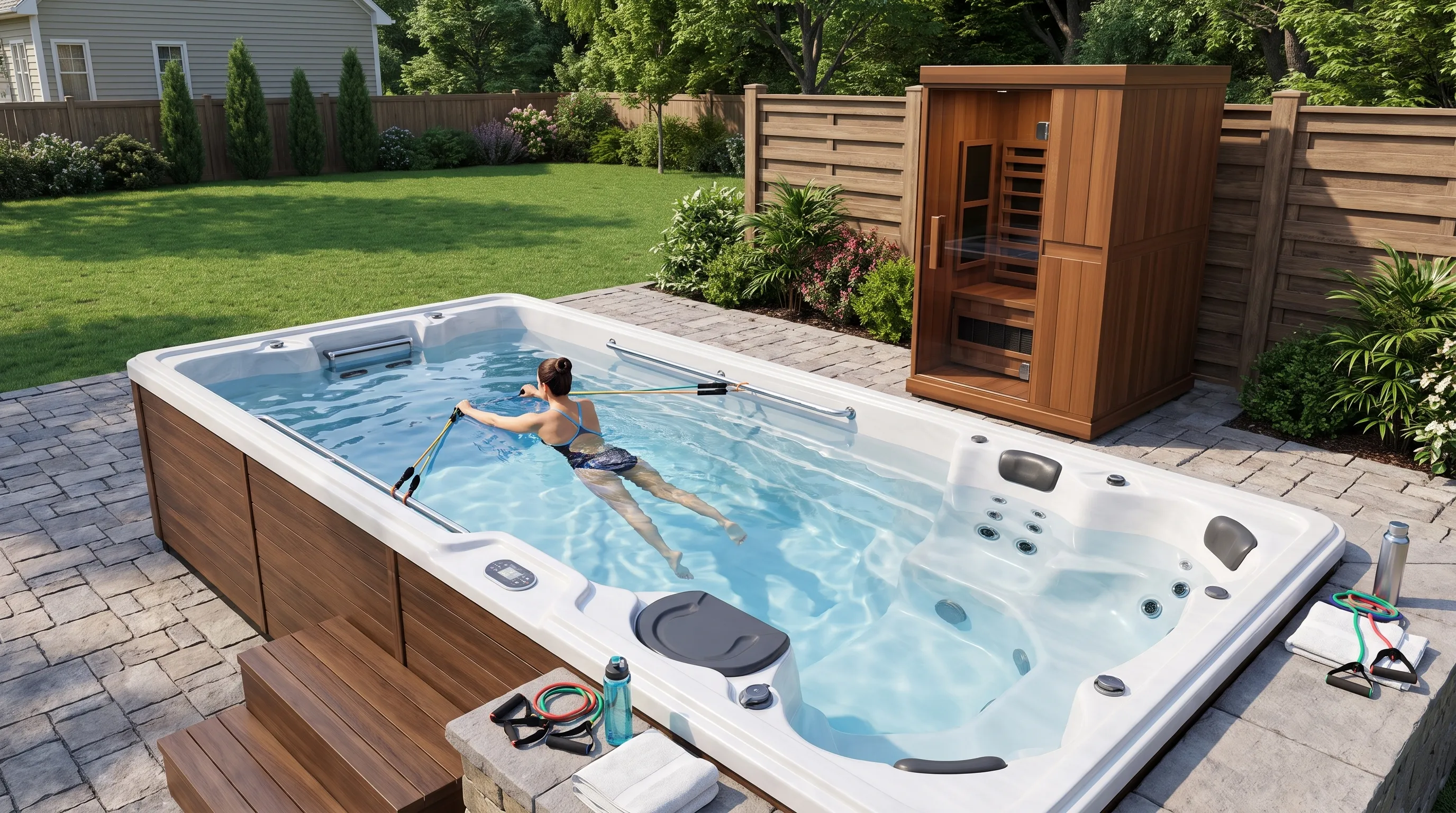
Installation Planning for a Better Training Experience
A swim spa can be a major backyard upgrade, so installation planning should happen early. Think about the workout experience, not just whether the unit technically fits.
Place the spa where you will want to use it often. If it is too far from the house, poorly lit or exposed to uncomfortable wind, quick workouts may become less appealing. Also plan a path from the house to the spa that works in different seasons.
The foundation must be suitable for the filled weight of the unit, including water and occupants. Electrical requirements should be reviewed with a qualified professional, and local code requirements can vary. You should also confirm delivery access before purchasing, since tight gates, slopes, steps and overhead obstructions can affect placement.
Fit is not unique to spas. Any large specialty purchase benefits from confirming dimensions and compatibility before checkout, whether a homeowner is comparing a swim spa shell and service access or a vehicle owner is using an online wheel retailer such as Velgensupermarkt to match wheels to a car. For a swim spa, that same mindset means checking measurements, clearances and support requirements before you commit.
If you are still comparing manufacturers and model lines, this guide on how to compare swim spa brands before you buy can help you evaluate construction, comfort, maintenance and warranty terms without getting distracted by surface-level features.
Building a Simple Low-Impact Routine
An exercise swim spa is easiest to use when your routine is simple. You do not need to turn every session into a full workout plan. Many owners get more value from short, repeatable sessions than from occasional long workouts.
A balanced water workout can include:
- A warmup with easy walking, shoulder circles or gentle kicking
- A cardio block using current swimming, water jogging or side steps
- A resistance block with push-pull motions, squats or tethered movements
- A cooldown with slow walking and relaxed breathing
Start with a comfortable effort and increase time or intensity gradually. If you have a medical condition, injury or post-surgery concerns, ask a qualified healthcare professional before beginning a new exercise routine.
For households with multiple users, create a few preset routines by goal. One person may use the spa for swim intervals, another for gentle mobility and another for relaxing after yard work. The more easily the spa supports different use cases, the more value it brings to the home.
Recovery and Home Wellness Pairings
Many homeowners shop for swim spas as part of a broader home wellness plan. After low-impact training, you may want a separate space for quiet relaxation, dry heat or contrast-style routines. Keep claims modest here: these additions may support relaxation and a consistent wellness ritual, but they are not medical treatments.
If you are considering a sauna alongside your swim spa, compact infrared models can be worth comparing based on space, electrical planning and preferred heat experience. Two examples in Hearthside Supply’s sauna selection are the Finnmark Fd-1 Full-Spectrum Infrared Sauna and the Dynamic Cordoba 2-person Elite Ultra Low EMF Infrared Sauna. Review each product page carefully for current specifications and installation details before deciding what fits your home.
Some buyers also compare cold plunge tubs, steam showers or hot tubs when designing a backyard or indoor wellness area. The right combination depends on your space, budget, maintenance comfort and how often each product will realistically be used.
Maintenance Features Matter More When You Exercise Often
Training in your swim spa several times a week means water care becomes part of the ownership routine. A model that is hard to access, difficult to cover or awkward to clean may discourage regular use over time.
Pay attention to the filtration setup, cover handling, drain access and how easy it is to reach service components. Ask what routine care is required and what supplies are recommended for the specific model you are considering. Avoid assuming all swim spas require the same schedule.
A simple maintenance rhythm usually includes checking water balance, cleaning filters as recommended, wiping the waterline and keeping the cover in good condition. Seasonal tasks may also be needed depending on your climate and usage. Hearthside Supply’s seasonal swim spa maintenance checklist is a helpful next step once you understand the basics.
Buying Checklist for an Exercise Swim Spa
Before you choose a model, walk through the decision as if you already own it. Picture a normal weekday workout. Can you uncover the spa easily, adjust the current, enter safely, complete your routine and close it back up without hassle?
Use these questions to guide your final comparison:
- Is the current smooth and adjustable enough for every intended user?
- Does the interior layout provide enough open space for your exercises?
- Are the steps, floor and handholds comfortable for regular entry and exit?
- Can the installation location support the filled weight and service access needs?
- Are maintenance tasks clear and manageable for your schedule?
- Does the model fit your primary goal, or are you paying for features you will rarely use?
The right exercise swim spa should feel practical, not just impressive. If the features line up with your training style, available space and willingness to maintain the water, it can become one of the most used wellness investments in your home.
Frequently Asked Questions
What features matter most in an exercise swim spa? The most important features are a smooth adjustable current, enough open exercise space, comfortable water depth, stable entry and exit, easy controls and manageable maintenance access.
Can beginners use a swim spa for low-impact training? Yes, many beginners use swim spas for gentle water walking, light resistance movements and gradual cardio. Start at a comfortable pace and ask a healthcare professional if you have health or injury concerns.
Is a longer swim spa always better for exercise? Not always. Length helps swimmers, but layout, current quality, depth and usable floor space also matter. A well-designed shorter model may be better for aquatic fitness than a longer model with an awkward interior.
How often should I maintain a swim spa used for workouts? Follow the manufacturer’s instructions for your specific model. Frequent exercise use usually makes consistent water testing, filter care and cover maintenance more important.
Can I combine a swim spa with a sauna or cold plunge? Yes, many homeowners design wellness spaces with more than one product. Compare space requirements, electrical needs, maintenance demands and your actual routine before adding extra equipment.
Final Thoughts
An exercise swim spa can make low-impact training more convenient by bringing aquatic movement into your backyard or home wellness area. Focus on the features that shape daily use: current quality, open space, depth, controls, safe access, installation fit and maintenance.
When those details match your goals, a swim spa becomes much more than a luxury purchase. It becomes a practical place to move, unwind and build a routine you can keep using year-round.
Ready to invest in your home wellness?
Explore our curated selection of premium saunas, hot tubs, cold plunges, steam showers, and swim spas — with clear specifications, nationwide delivery, and secure checkout.
Keep reading
View all posts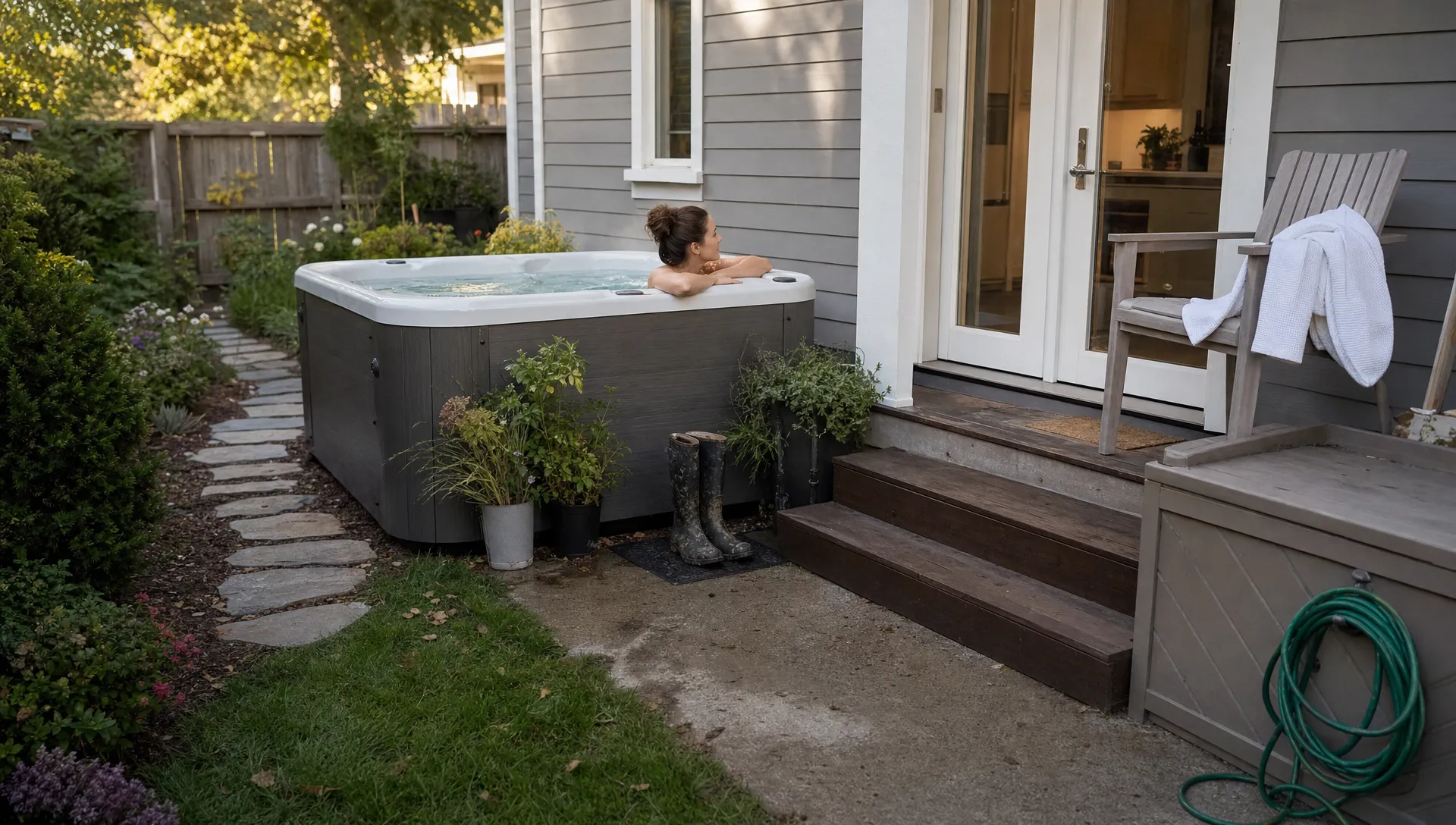 Wellness
How to Choose a Compact Hot Tub for a Small Backyard
A compact hot tub can turn a tight patio or side yard into a practical wellness space. Learn how to measure, compare seating, plan installation and avoid layout mistakes before you buy.
Read article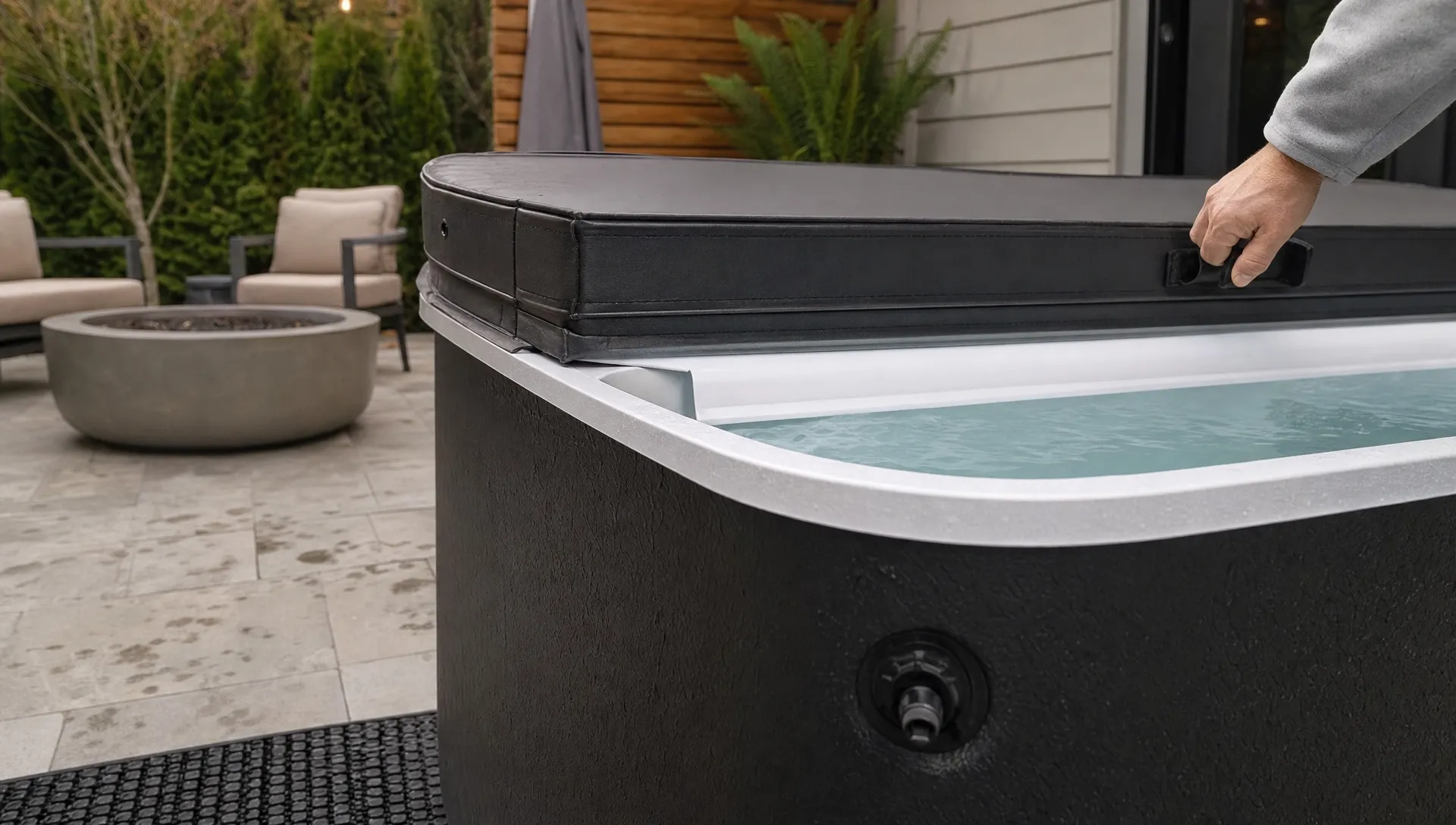 Wellness
Which Cold Therapy Tubs Fit Your Recovery Routine?
The best cold therapy tub is the one that matches how often you recover, where you plan to use it and how much upkeep you want. Use this guide to compare tub styles, setup needs and contrast options before buying.
Read article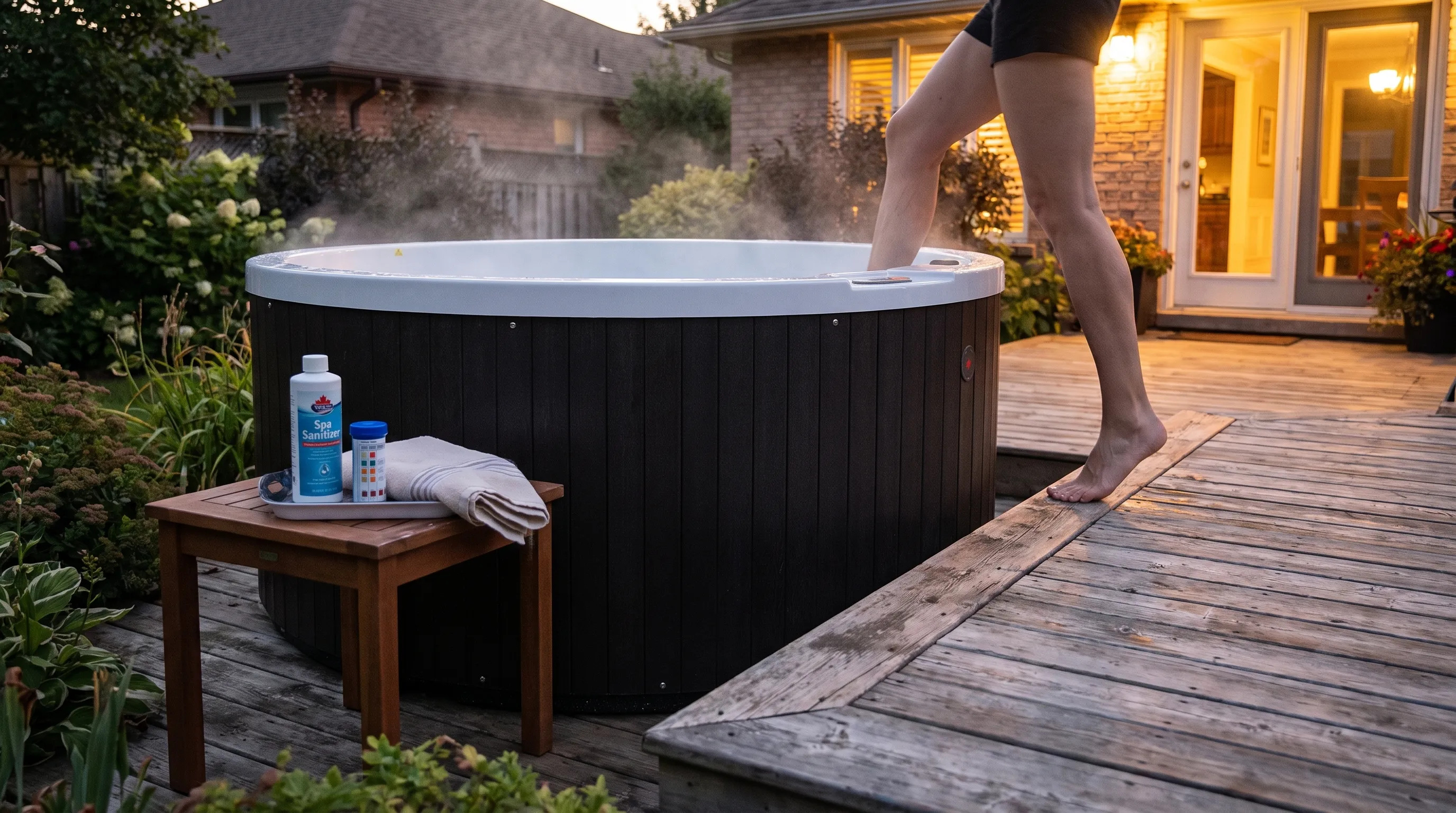 Wellness
How to Choose a Hot Tub Sanitizer for Clear Water
Clear hot tub water starts with choosing the right sanitizer for your spa, usage habits, and maintenance style. This guide compares chlorine, bromine, mineral systems, saltwater options, and practical buying tips for easier water care.
Read article