
The Science of Heat Therapy: Why Warm Water and Steam Help You Recover

The Science of Heat Therapy: Why Warm Water and Steam Help You Recover — Wellness
Discover the physiology of heat therapy. Learn how warm water and steam improve circulation, muscle recovery, and stress levels for your wellness routine.
The Physiology of Heat: Understanding Thermotherapy
The pursuit of longevity and optimized healthspan often leads us back to the most ancient of wellness tools: heat. Whether you are utilizing a state-of-the-art sauna or the gentle buoyancy of hot tubs, the science of heat therapy is rooted in the body’s innate ability to thermoregulate. When exposed to controlled heat, our cardiovascular system undergoes a profound transformation. Blood vessels dilate, heart rate increases, and blood flow is redirected to the skin’s surface to cool the body down. This process, known as vasodilation, is the foundation of how we improve circulation and cardiovascular health through regular heat exposure.
Beyond basic circulation, heat therapy triggers the release of heat shock proteins (HSPs). These proteins play a critical role in cellular repair, potentially mitigating the effects of oxidative stress and inflammation. By incorporating a home recovery stack into your daily ritual, you create a physiological environment conducive to faster muscle recovery and reduced DOMS (Delayed Onset Muscle Soreness).
The Benefits of Warm Water Recovery
Hydrotherapy, specifically using warm water, combines the benefits of heat with the hydrostatic pressure of immersion. For athletes and those managing chronic discomfort, this pressure can be therapeutic. When submerged in a hot tub or a swim spa, the weight of the water supports joints, allowing for deep relaxation of the muscles. As noted in our wellness recovery guide, adapting your routine to your current physical needs is essential for long-term success.

The buoyancy provided by water also helps lower cortisol, the body's primary stress hormone. By moving the nervous system from a sympathetic "fight or flight" state to a parasympathetic "rest and digest" state, you significantly improve sleep quality and promote the onset of deep, restorative REM cycles.
Steam Recovery: Why Humidity Matters
While saunas provide dry heat, steam showers introduce moisture, which changes the way the body perceives temperature. Steam recovery is particularly effective for respiratory health and skin detoxification. The warm, humid environment helps clear nasal passages and hydrates the respiratory tract, which is a key component of steam shower benefits. If you are a customer in California or anywhere else in the U.S., our team is here to help you understand how to integrate these systems into your home.
Building Your Perfect Wellness Room
When choosing equipment, power and reliability are paramount. For those looking to upgrade their dry sauna experience, we recommend pairing your unit with high-quality components like the HUUM Cliff 9 kW Electric Sauna Heater or the HUUM Hive 12 kW Electric Sauna Heater. Choosing the right heater ensures that your session is consistent, effective, and safe. Whether you prefer the compact HUUM Cliff Mini 3.5 kW Electric Sauna Heater or the heavy-duty HUUM Hive 15 kW Electric Sauna Heater, quality equipment is the cornerstone of a serious cold plunge and heat cycle.

Common Mistakes to Avoid
The most common error in heat therapy is inconsistency or overexposure. Recovery is about adaptation, not punishment. Always monitor your core body temperature and stay hydrated. For those new to the practice, our sauna FAQs can help you understand proper duration and intensity limits.
Related Reading
- Building a Home Recovery Stack: Sauna, Cold Plunge, and Steam
- Steam Shower Benefits: Respiratory, Skin, and Relaxation Science
- What Is a Cold Plunge: Definition, Benefits, and How to Start
- How to Choose an Outdoor Swim Spa for Year-Round Use
FAQ
How often should I use heat therapy for recovery?
For most individuals, 3 to 4 sessions per week is ideal for recovery. Listen to your body and adjust based on your activity levels.
Is steam therapy better than dry sauna?
Neither is inherently 'better'; they provide different stimuli. Dry heat is excellent for deep muscle penetration, while steam is superior for respiratory and skin benefits.
How does heat therapy affect heart rate?
Heat exposure increases heart rate similarly to light-to-moderate exercise, which helps train the cardiovascular system and improve blood flow.
Ready to invest in your home wellness?
At Hearthside Supply, we provide everything you need to build a professional-grade recovery space, from saunas and hot tubs to cold plunges and steam showers. We offer nationwide delivery and expert guidance for every step of your journey. If you have questions about installation or sizing, please talk to a specialist at +1 (253) 264-2435 or email sales@hearthsidesupply.com to get started.
Ready to invest in your home wellness?
Explore our curated selection of premium saunas, hot tubs, cold plunges, steam showers, and swim spas — with clear specifications, nationwide delivery, and secure checkout.
Keep reading
View all posts
 Wellness
Building a Home Recovery Stack: Sauna, Cold Plunge, and Steam
Discover how to build the ultimate home recovery stack by combining sauna, cold plunge, and steam for optimal longevity, muscle recovery, and stress relief.
Read article
 Wellness
Steam Therapy for Congestion and Recovery: A Practical Guide
Discover how steam therapy aids respiratory relief and muscle recovery. A comprehensive guide to integrating steam into your wellness routine.
Read article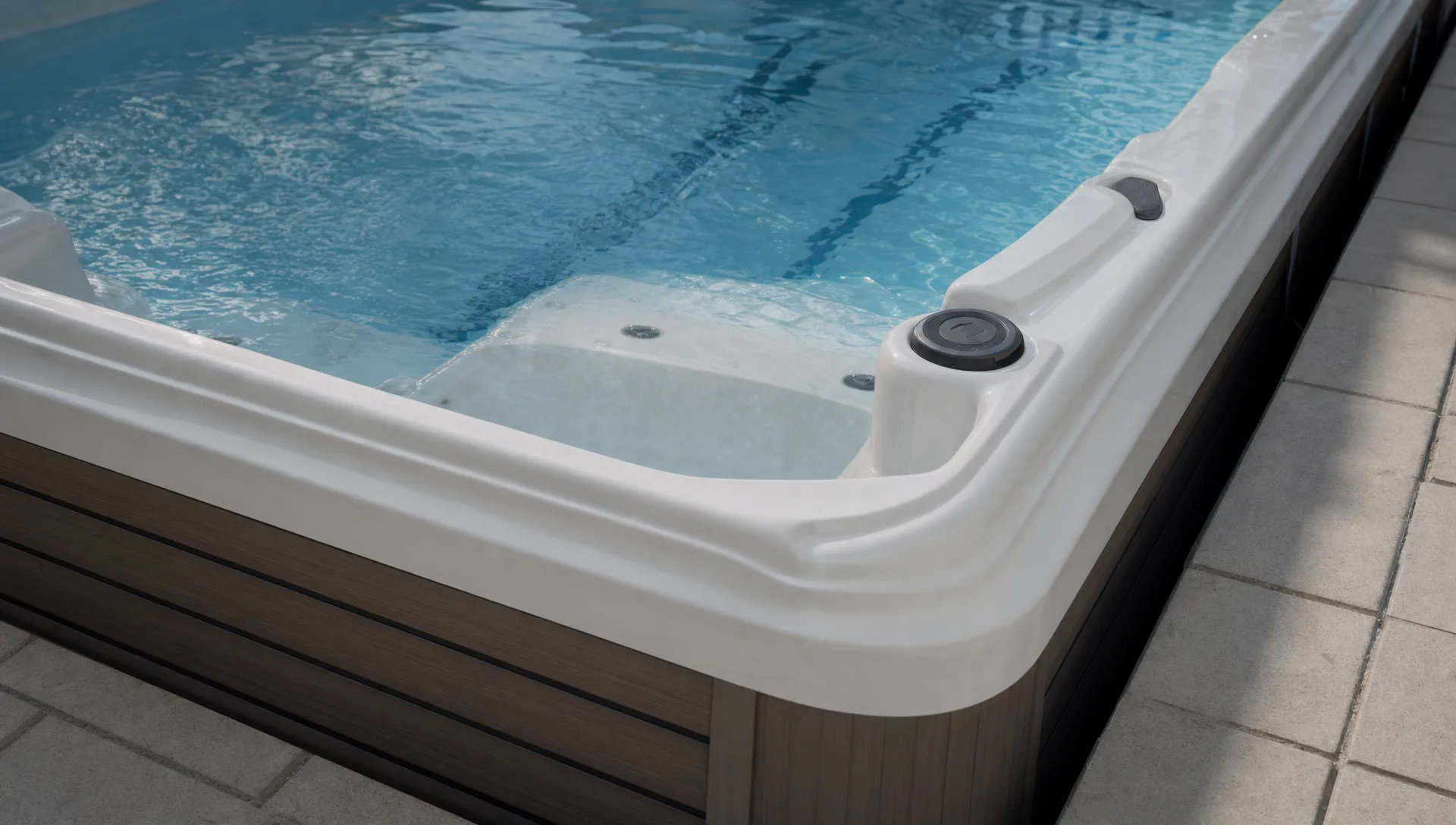 Wellness
Swim Spas vs Lap Pools for Home Swimming
A compact footprint does not guarantee a better swim, and a longer pool does not guarantee better value. Compare training feel, installation demands and ongoing upkeep before choosing your home swimming setup.
Read article