
How Much Does a Swim Spa Cost to Run Per Month? A Budgeting Guide

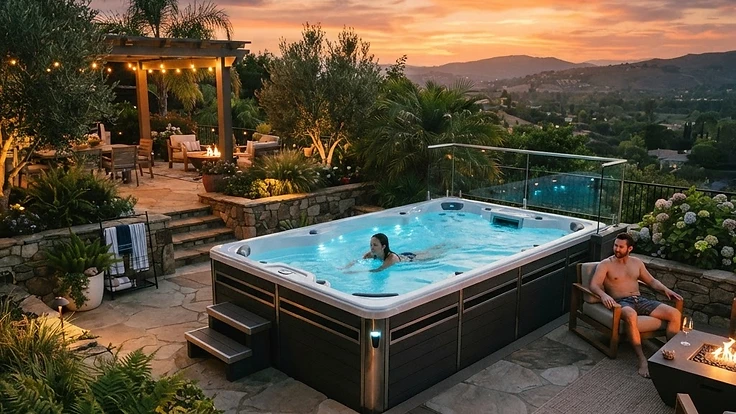
How Much Does a Swim Spa Cost to Run Per Month? A Budgeting Guide — Swim Spas
Curious about the monthly swim spa operating cost? Our guide breaks down energy, water, and maintenance expenses for year-round backyard wellness.
Introduction
Investing in a swim spa is a transformative decision for your home wellness routine. Whether you are focused on rehabilitation, intense triathlon training, or simply enjoying low-impact workouts, the ability to train year-round is unparalleled. However, before finalizing your decision, you likely have one primary concern: how much does a swim spa cost to run per month?
Understanding your swim spa running cost is essential for long-term satisfaction. Unlike a traditional swimming pool, a modern swim spa is engineered for efficiency, utilizing advanced insulation and thermal covers to keep operating costs manageable. From electrical consumption to essential water care, we will break down the variables that impact your monthly budget, ensuring you can enjoy your swim spas with complete peace of mind.
Average Cost Overview: What to Expect
On average, most homeowners can expect a monthly swim spa operating cost ranging from $50 to $150. This figure fluctuates based on your geographic location, current electricity rates, the season, and how frequently you adjust the water temperature for aquatic therapy or swimming. It is significantly more affordable than maintaining a full-sized inground pool, primarily because of the smaller water volume and superior heat retention.
Cost Breakdown by Type
Not all units share the same profile. The configuration of your unit directly dictates your utility consumption:
- Single-Zone Units: These units share one temperature setting. They are often more efficient to heat due to the single water volume.
- Dual-Zone Swim Spas: These units feature a separate hot tub section and a swimming section. Because you are heating two different volumes—often to different temperatures—the electrical demand can be higher. Learn more about the advantages of Dual-Zone Swim Spas: The Ultimate Swim, Soak, and Hydrotherapy Guide.
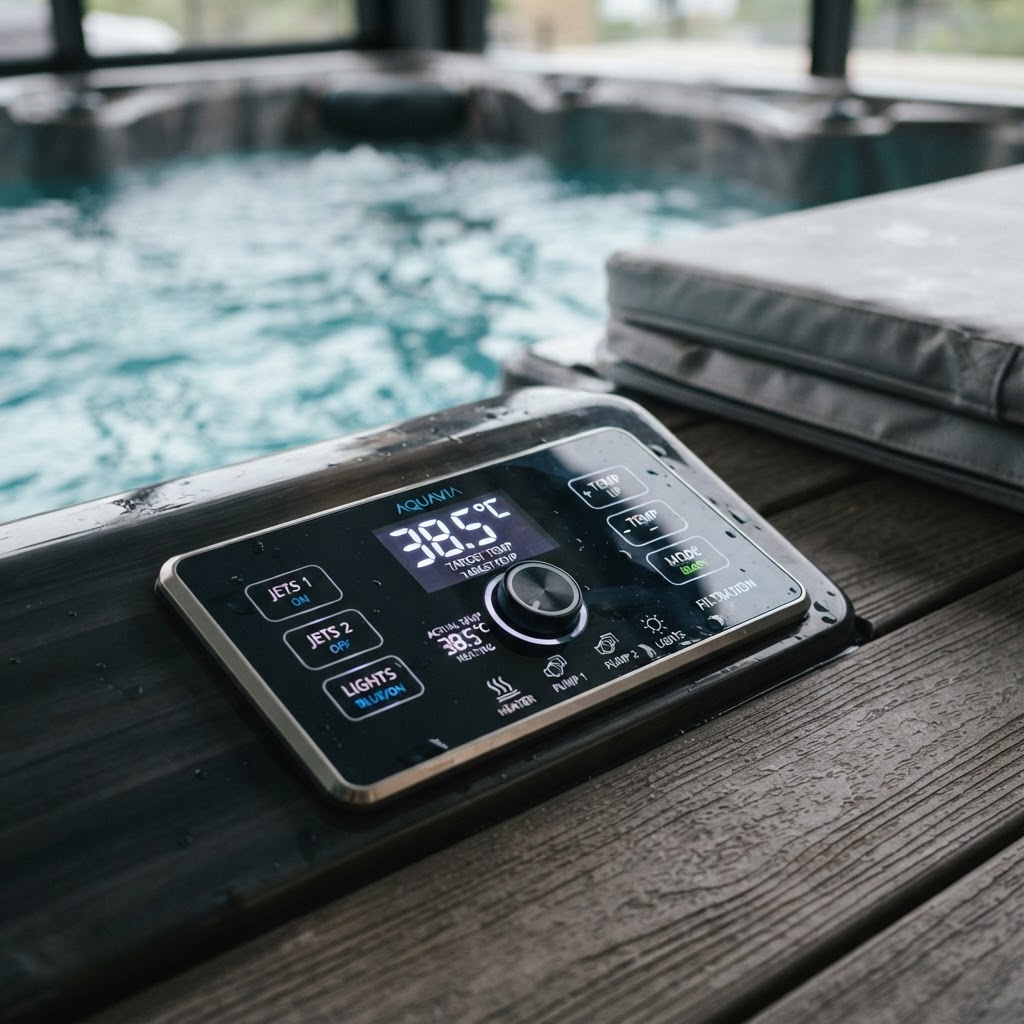
Factors That Affect Swim Spa Energy Usage
Your monthly utility bill is heavily influenced by how effectively your unit retains heat. Key factors include:
- Insulation and Heat Retention: Premium units utilize full-foam or high-density board insulation. A well-insulated hull significantly reduces the frequency at which the heater needs to cycle.
- Thermal Cover Quality: An insulated hard cover is your first line of defense against heat loss. Neglecting to cover the unit when not in use is the fastest way to spike your swim spa energy costs.
- Climate and Season: If you reside in colder regions, your heater will work harder during winter months. For those living in areas like Colorado or Idaho, investing in premium insulation packages is a must for year-round use.
- Current and Jet Systems: Whether you prefer a powerful propulsion system or a traditional swim jet, these motors consume energy when active.
Installation and Initial Setup Costs
Before you run your spa, you must ensure the foundation is secure. Most models require a solid, reinforced concrete pad. Furthermore, you will need a dedicated electrical connection, typically a 50 amp or 60 amp GFCI breaker, installed by a licensed electrician. Delivery often involves a crane service, especially if access is limited. For a comprehensive look at the logistical side, read our Swim Spa Installation: Site Prep, Electrical, and Foundation Guide.
Ongoing Running Costs: Chemicals and Filtration
Beyond electricity, maintaining clear, balanced water is a necessary recurring cost. You will need to budget for:
- Sanitizers: Options like salt systems, ozone, or UV sanitizers reduce the amount of traditional chlorine or bromine needed, though they do require occasional replacement parts.
- Filter Cartridges: Regular cleaning and annual replacement of your filters ensure optimal flow rates.
- Water Care: pH balancers, alkalinity increasers, and shock treatments are essential for protecting the internal components and your skin.
For more detailed advice on comparing different models before you make your purchase, see our guide on How to Compare Swim Spa Brands Before You Buy.
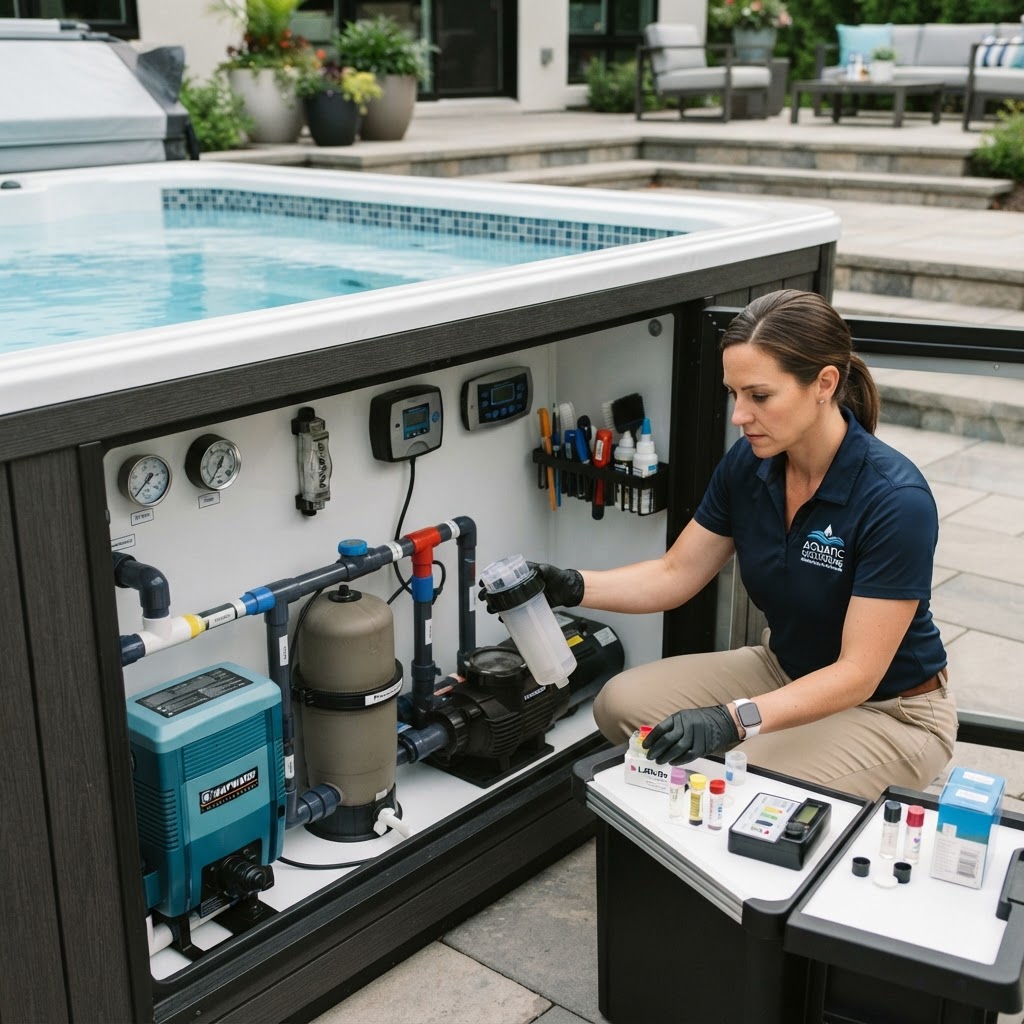
How to Save Money on Operating Costs
Managing your monthly expenses is easier than you might think:
- Use a High-Quality Thermal Cover: Always secure your cover after every session to trap heat.
- Optimize Heating Schedules: If your controller allows, lower the temperature slightly when the spa is not in use for extended periods.
- Check Your Filtration Cycles: Ensure your filtration cycles are set for efficient, yet adequate, water turnover.
- Regular Maintenance: Clean filters put less strain on the pumps, allowing the system to run more efficiently.
Is a Swim Spa Worth the Investment?
When you weigh the benefits of regular aquatic exercise, low-impact rehab, and the sheer luxury of a year-round backyard retreat, the monthly operating cost is often viewed as a small price to pay. Whether you are comparing a Hot Tub vs Swim Spa or looking into the broader benefits found in our Swim Spa Buying Guide: Currents, Size, and Year-Round Use, the value proposition is clear: you are investing in your long-term health.
Related Reading
- Swim Spa vs Pool: Which Makes Sense for Your Backyard?
- Year-Round Swimming: Heating and Insulating a Swim Spa
- Swim Spa Maintenance: A Seasonal Checklist for Owners
FAQ
Does cold weather significantly increase operating costs?
Yes, but modern thermal covers and high-density foam insulation mitigate this significantly. Freeze protection modes ensure your pipes stay warm even in sub-zero temperatures.
How often should I change the water in my swim spa?
Typically, you should drain and refill your swim spa every 3 to 4 months, depending on usage frequency and chemical balance.
Is a salt system cheaper to maintain than traditional chlorine?
While the initial equipment cost for a salt system is higher, many owners find that it lowers monthly chemical costs and provides a superior, softer water experience.
Can I run my swim spa on a standard household outlet?
Most full-sized swim spas require a dedicated 220V/240V circuit (50-60 amp). Always consult with a licensed electrician before installation.
Ready to invest in your home wellness?
Are you ready to bring the benefits of aquatic therapy and fitness to your backyard? Browse our selection of premium swim spas and explore our full range of hot tubs, saunas, and cold plunges. If you have questions about specific energy-efficient models, please talk to a specialist today. You can reach us at +1 (253) 264-2435 or via email at sales@hearthsidesupply.com.
Ready to invest in your home wellness?
Explore our curated selection of premium saunas, hot tubs, cold plunges, steam showers, and swim spas — with clear specifications, nationwide delivery, and secure checkout.
Keep reading
View all posts
 Swim Spas
Swim Spa FAQs: Cost, Installation & Year-Round Use
Get clear answers to common swim spa questions, including cost, installation, swim currents, maintenance, energy use, safety, and year-round operation.
Read article
 Swim Spas
What Is a Swim Spa: Everything You Need to Know
Discover what a swim spa is, how these versatile aquatic machines work, and why they are the perfect hybrid solution for fitness and relaxation at home.
Read article
 Swim Spas
Swim Spa Installation: Site Prep, Electrical, and Foundation Guide
Preparing for your swim spa installation? Our comprehensive guide covers essential site prep, electrical requirements, and foundation needs for a smooth delivery.
Read article