
Best Wood for Saunas: Cedar, Hemlock, and Pine Compared

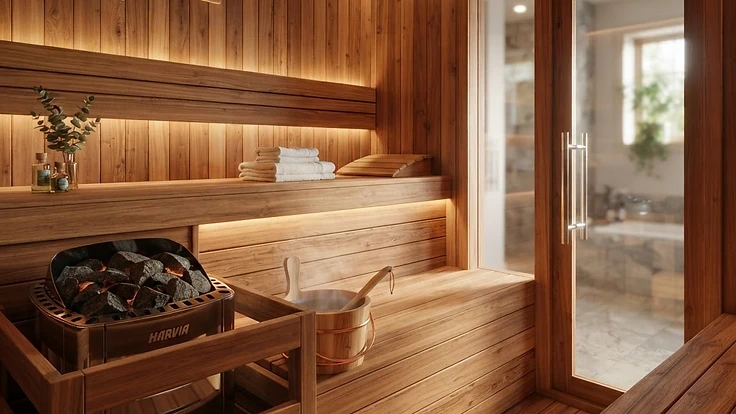
Choosing the right sauna wood is essential for longevity and comfort. Discover why cedar, hemlock, and pine are the top materials for your home sauna project.
The Importance of Choosing the Right Sauna Wood
When you decide to invest in your home wellness with saunas, the wood species you choose is as vital as the heater itself. The interior of a sauna is an extreme environment; it cycles through intense heat, moisture, and cooling periods. Selecting the wrong material can lead to warping, excessive sap leakage, or a lack of the characteristic aromatic experience you expect. Understanding the properties of premium sauna materials is the first step in ensuring your investment stands the test of time.
Beyond just aesthetics, your choice impacts heat retention and structural integrity. A high-quality cedar sauna, for example, is renowned for its natural oils, while hemlock offers a clean, neutral profile for those sensitive to fragrances. Whether you are browsing our collection or planning a custom build, knowing your wood will guide you toward a better experience.
Western Red Cedar: The Gold Standard
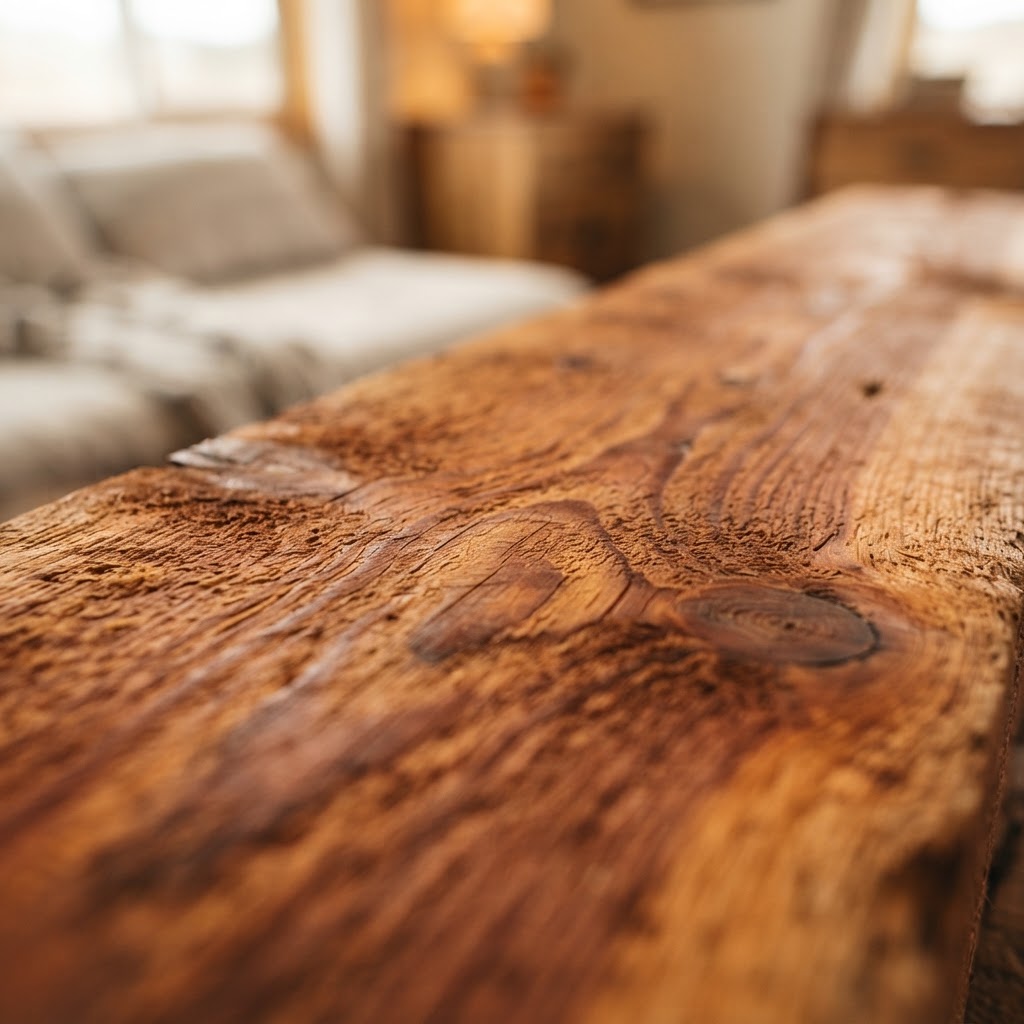
Western Red Cedar is arguably the most popular choice for sauna builders and manufacturers globally. Its popularity stems from its incredible resistance to decay and rot in high-humidity environments. Cedar contains natural preservatives and oils that give it a signature, earthy scent that most users associate with the authentic sauna experience.
Beyond the aroma, cedar is exceptionally stable. It resists shrinking and swelling, which is crucial when your sauna room fluctuates between room temperature and 190°F. If you are looking for long-term value, investing in a cedar model often pairs perfectly with a reliable heater like the HUUM Hive 18 kW Electric Sauna Heater to ensure consistent, efficient performance.
Hemlock: The Clear Choice for Sensitivity
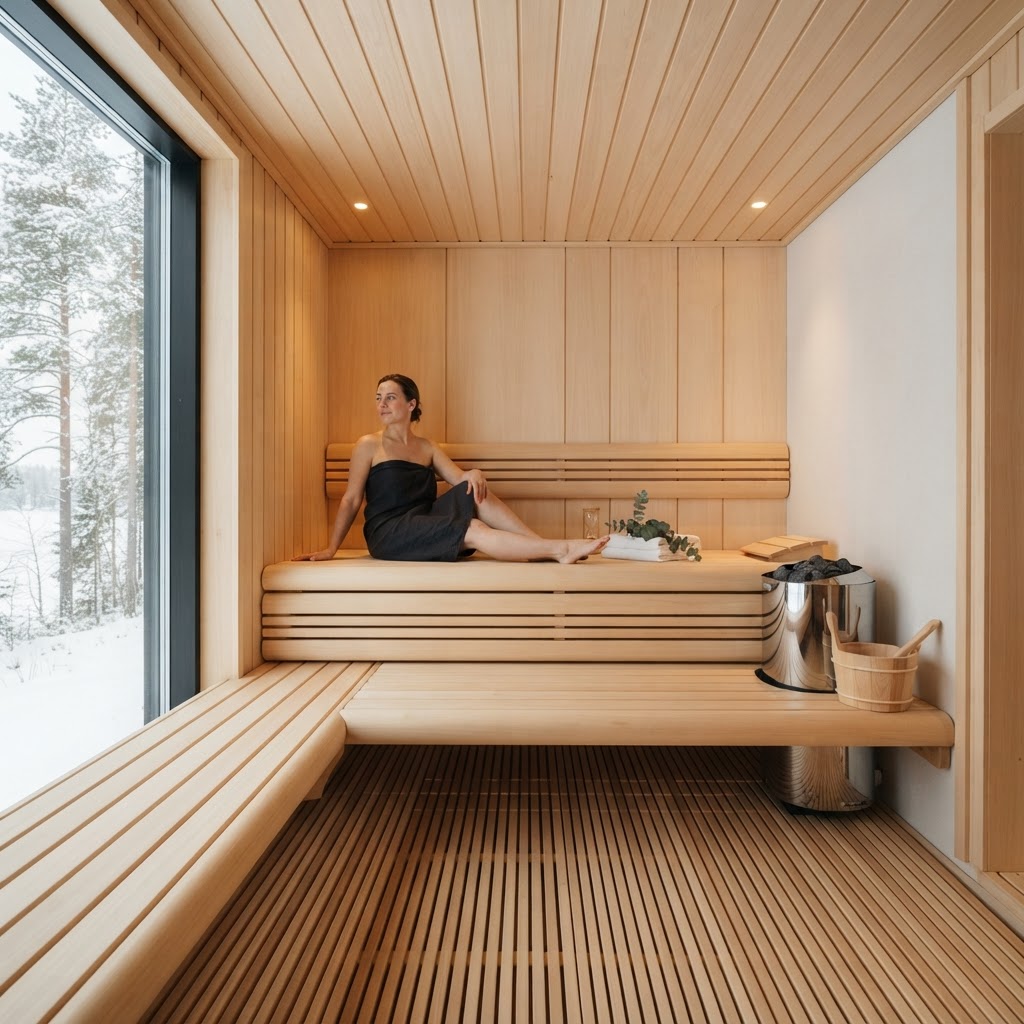
For those who find the potent scent of cedar overwhelming, or for individuals with chemical sensitivities, hemlock is the ideal alternative. It is a non-aromatic wood, providing a "clean" atmosphere that keeps the focus entirely on the heat therapy. Hemlock is known for its uniform color and lack of knots, providing a modern, minimalist aesthetic.
From a technical standpoint, hemlock is durable and performs well under heat. It is an excellent choice for infrared sauna buying considerations where the lower operating temperatures allow the wood to last for decades. When paired with the sleek design of a HUUM Cliff 9 kW Electric Sauna Heater, hemlock creates a sophisticated, high-end wellness space.
Pine and Spruce: Traditional European Options
Pine and spruce are the traditional woods of choice in Nordic countries. These woods are highly accessible, cost-effective, and provide a light, airy look to the sauna interior. However, they do have one characteristic that requires attention: knots and resin pockets. In high heat, these pockets can sometimes weep, which can be uncomfortable if they appear on benches.
If you choose a pine or spruce sauna, ensure the wood has been properly treated or kiln-dried to minimize these issues. These woods pair beautifully with a variety of heating setups, including wood-burning or heavy-duty electric heaters. If you want to dive deeper into the technical side of heating, our Sauna Heater Types: Electric, Wood, and Infrared Compared article provides essential reading.
Durability and Maintenance Considerations
Regardless of the wood you choose, maintenance is key to longevity. Always ensure your sauna has adequate ventilation, which prevents moisture buildup and preserves the wood fibers. Never use stains, paints, or varnishes inside the sauna; these chemicals can release toxic fumes at high temperatures and will prevent the wood from "breathing."
To maintain your sauna, simply wipe down the benches after each use and ensure the room is completely dry. If you are considering adding a full wellness suite, you might also look into our Cold Plunges or Steam Showers to create a complete contrast therapy experience.
FAQ
Is cedar wood better for saunas than hemlock?
Cedar is considered superior for its natural aroma and extreme resistance to moisture, while hemlock is preferred for its lack of scent and uniform, modern appearance. The "better" choice depends on your personal preference for smell and visual style.
Do I need to seal my sauna wood?
No. You should never seal, stain, or paint the interior of a sauna. The wood needs to be porous to absorb and release moisture correctly. Chemicals used for sealing can also become hazardous when heated.
How often should I clean the sauna benches?
After each use, wipe down the benches with a damp cloth. For deeper cleaning, use mild soap or a dedicated sauna cleaner specifically designed for natural wood. Never use harsh chemicals.
Ready to invest in your home wellness?
Building your dream home sanctuary is a significant step toward better health and longevity. Whether you are interested in traditional Saunas, Hot Tubs, or the therapeutic benefits of Swim Spas, our team at Hearthside Supply is here to help. If you have questions about specific materials or need guidance on selecting the right heating power, don't hesitate to talk to a specialist. You can reach us directly at +1 (253) 264-2435 or via email at sales@hearthsidesupply.com to discuss your project today.
Ready to invest in your home wellness?
Explore our curated selection of premium saunas, hot tubs, cold plunges, steam showers, and swim spas — with clear specifications, nationwide delivery, and secure checkout.
Keep reading
View all posts
 Saunas
Low EMF Infrared Saunas: What the Labels Mean
Curious about low EMF infrared saunas? We break down what EMF ratings actually mean, why they matter for your safety, and how to shop for premium models.
Read article
 Wellness
Sauna Safety Tips: The Essential Guide for First-Time Owners
Discover essential sauna safety tips for your home wellness retreat. Learn about proper temperatures, session limits, and health precautions for a safe experience.
Read article
 Saunas
Sauna Heater Types: Electric, Wood, and Infrared Compared
Selecting the right sauna heater is crucial for your wellness experience. Explore the pros and cons of electric, wood, and infrared heaters to find your fit.
Read article